
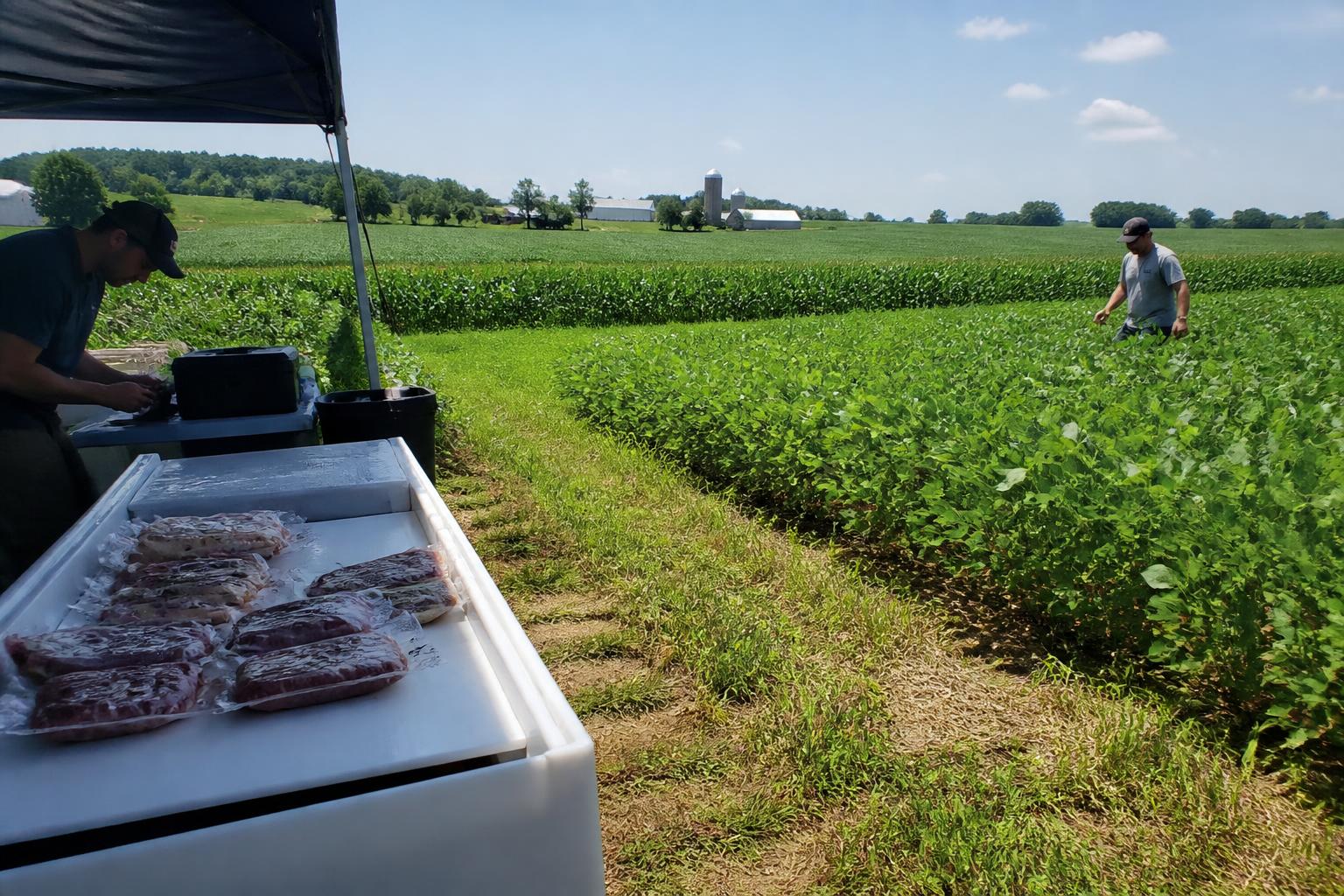
As Pennsylvania growers transition into the busy summer spray and maintenance season, managing regulatory compliance and active pest threats remains a top priority. State agricultural officials have provided some timely regulatory breathing room by extending the private applicator license renewal period. This extension allows producers across the Commonwealth more time to secure their credentials while keeping their focus on active field management and crop protection.
At the same time, Pennsylvania farmers are ramping up monitoring efforts. The combination of early summer weather, recent pest migration reports, and previous weather-related crop damage highlights the critical need for robust risk management and localized scouting strategies from Lancaster County up to the northern tier.
Regulatory Relief: Private Applicator License Extension
The decision to extend the private applicator license renewal deadline offers practical relief for growers managing tight seasonal schedules. For Pennsylvania farmers, maintaining an active pesticide applicator license is essential for purchasing and applying restricted-use pesticides. This extension helps ensure that operations do not face unexpected disruptions or gaps in compliance during peak application windows.
Keeping these licenses up to date goes hand-in-hand with broader state efforts to maintain high environmental standards. Utilizing best practices for application not only protects current cash crops but also aligns with state-level initiatives focused on safeguarding Pennsylvania farmland and managing pesticide disposal. Proper compliance helps preserve long-term soil health and local watersheds while keeping farms productive.
Monitoring Cutworms and Managing Summer Weather Risks
With summer in full swing, Pennsylvania fields are facing active biological pressures. Agronomists have warned of black cutworms appearing in local fields. These pests can cause rapid damage to emerging corn and seedling crops, making regular field scouting essential to catch infestations before they reach economic thresholds. Farmers are encouraged to inspect fields for leaf feeding and cut plants, particularly in areas with heavy residue or early spring weed growth.
In addition to pest pressures, Pennsylvania growers are still adjusting to a highly volatile growing season. Earlier crop freezes prompted state leaders to call for federal aid to support impacted producers, showcasing how quickly sudden weather shifts can disrupt regional supply expectations. To offset these ongoing risks, agribusinesses are increasingly turning to advanced digital agriculture intelligence tools to monitor field conditions, track pest development, and optimize chemical applications.
Key Takeaways for PA Growers
- Applicator Licensing: Take advantage of the extended renewal deadline to keep your private applicator credentials compliant without disrupting summer spray schedules.
- Pest Alerts: Monitor emerging fields closely for signs of black cutworms and other summer pests to prevent yield-limiting stand reductions.
- Conservation and Preservation: Align your protection programs with state conservation goals as Pennsylvania continues to protect dozens of farms across multiple counties from commercial development.
What it means for the market
For the broader Pennsylvania agricultural market, these protection and regulatory developments emphasize stability and risk reduction. By extending license renewals, the state ensures that grain, livestock, and specialty crop producers can continue applying necessary crop protection materials without bureaucratic delays. Effective pest management and digital crop monitoring will be crucial in stabilizing local yields following early-season freeze challenges, helping to secure a more predictable supply for local grain elevators, feed mills, and regional supply chains.
Comments
No comments yet - be the first to share your take.