
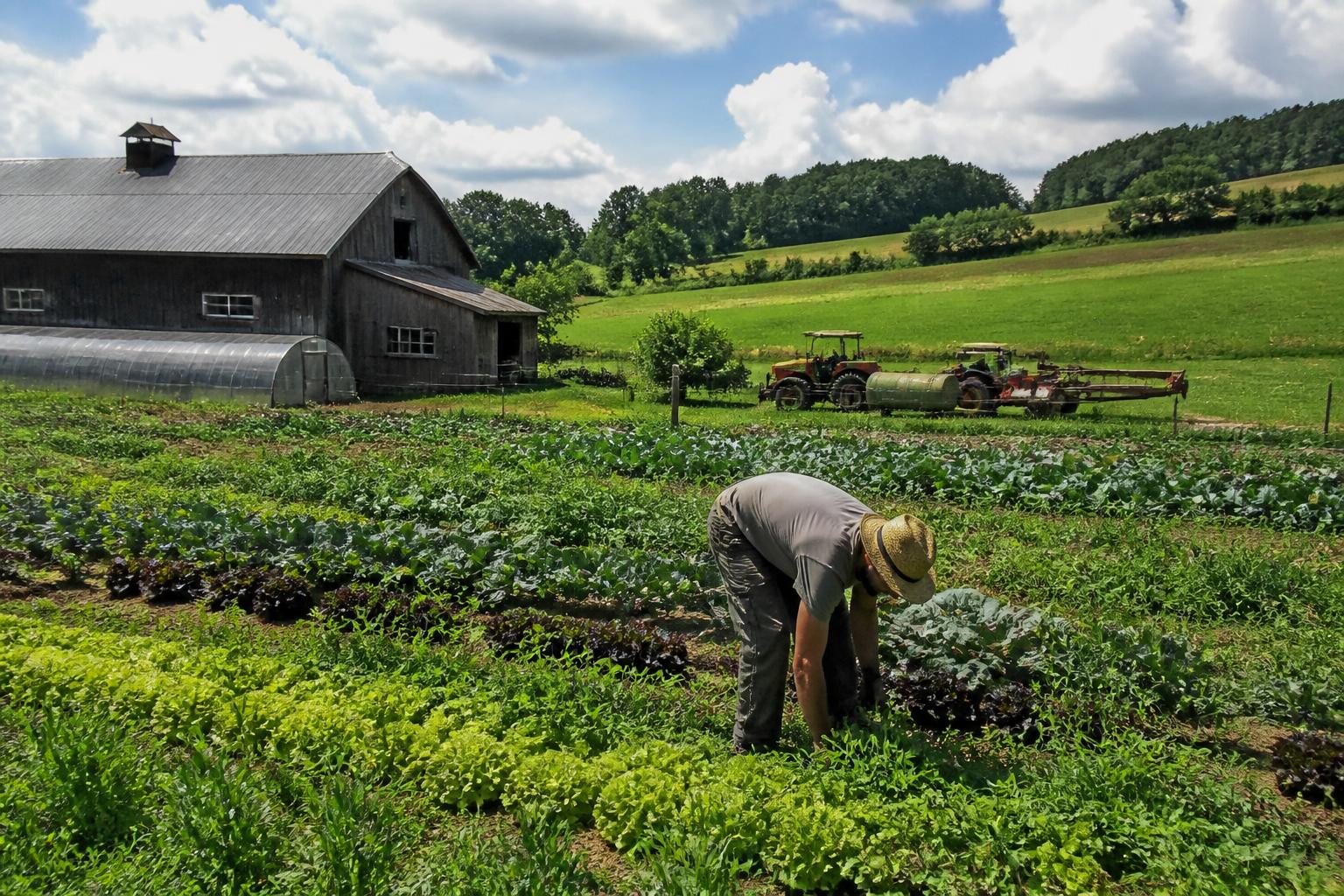
Managing Pesticide Waste: The Role of CHEMSWEEP
As Pennsylvania growers navigate the busy summer spray season, managing chemical inventories remains a top priority. Keeping chemical storage areas clean and compliant is essential for avoiding regulatory issues and protecting local ecosystems. Through the state-sponsored CHEMSWEEP program, Pennsylvania farmers, greenhouse operators, and commercial applicators have a reliable, safe pathway to dispose of outdated, unusable, or banned pesticides.
Proper pesticide management is a critical component of broader farm stewardship. This initiative not only prevents accidental environmental contamination but also frees up valuable storage space, allowing operators to focus on modern crop protection strategies. Integrating safe disposal practices aligns with ongoing efforts to address pest pressures and weather volatility throughout the commonwealth.
Preserving Farmland and Restricting Development
Beyond active chemical management, physical land preservation is a cornerstone of protecting Pennsylvania's agricultural future. The state has committed significant capital to keep productive soils in agricultural use. Recently, Pennsylvania invested $8.8 million to preserve 22 farms, ensuring they remain protected from non-agricultural development.
Local conservation efforts are also making headway at the county level. In Montgomery County, for example, 38 acres of farmland across New Hanover and Franconia townships, including the Marianne P. Landis Farm, have been set for preservation. Protecting these acres helps buffer local agricultural infrastructure from suburban encroachment, supporting efforts aimed at securing regional crop output and maintaining a stable base for local grain, livestock, and produce markets.
Navigating Weather and Biosecurity Disruptions
The crop year has already brought its share of challenges. Earlier, Pennsylvania Agriculture Secretary Brooke Rollins signed a disaster declaration following a damaging April freeze that impacted local fruit and specialty crop growers. Simultaneously, livestock and poultry operations continue to face strict biosecurity protocols as the state manages unprecedented avian influenza pressures. These biological and environmental risks, combined with shifts in regional processing facilities, require heightened vigilance across the entire supply chain, as highlighted in discussions regarding local agricultural logistics.
Key Takeaways for Pennsylvania Operators
- Utilize Safe Disposal: Leverage programs like CHEMSWEEP to clear out obsolete crop protection chemicals and reduce on-farm liabilities.
- Monitor Pest and Disease Vectors: Maintain strict biosecurity and watch for emerging pest threats like the spotted lanternfly.
- Engage with Preservation Programs: State and local funding remains active for securing agricultural easements, protecting the productive capacity of Pennsylvania soils.
What it means for the market
For Pennsylvania agribusinesses, crop protection is as much about safeguarding physical land and maintaining strict biosecurity as it is about chemical application. The ongoing investments in farmland preservation combined with proactive pest and chemical management programs help stabilize regional production capacity. As supply networks and processing dynamics adapt to weather disruptions and market shifts, maintaining clean, biosecure, and structurally protected operations will keep Pennsylvania farms resilient and competitive.
Comments
No comments yet - be the first to share your take.