
As the summer heat intensifies across the Commonwealth, Virginia agrologistics networks are facing a busy season. Producers are navigating a fast-moving market that requires seamless transport coordination, whether hauling grain to regional elevators or moving specialty commodities toward deepwater terminals. Following the USDA Virginia Daily Grain Bids report on June 26, 2026, grain handlers and truck carriers are closely monitoring domestic freight lanes and global demand trends.
From the flat, coastal fields of the Tidewater region to the rolling hills of the Piedmont, local transport networks are adapting to shifting supply chain patterns. High-volume commodities like grain and oilseeds rely heavily on efficient regional trucking routes and well-maintained rail corridors to prevent bottlenecks before they reach major maritime facilities.
Connecting Virginia Fields to Global Port Terminals
A central pillar of Virginia's agricultural economy is its direct access to international buyers. The Virginia Economic Development Partnership continues to focus on linking local agricultural producers with global markets, ensuring that local crops can reach overseas buyers efficiently. With rising global demand for high-quality American grain, the physical movement of crops to the coast remains a top priority.
This export-focused logistical pipeline relies on recent efforts to expand export capacity at major ports, which have helped streamline bulk cargo shipping. Maintaining smooth land-side transport to these maritime facilities is essential for keeping Virginia competitive in the global market, particularly when competing with other East Coast shipping corridors.
Local Distribution and Short-Haul Logistics
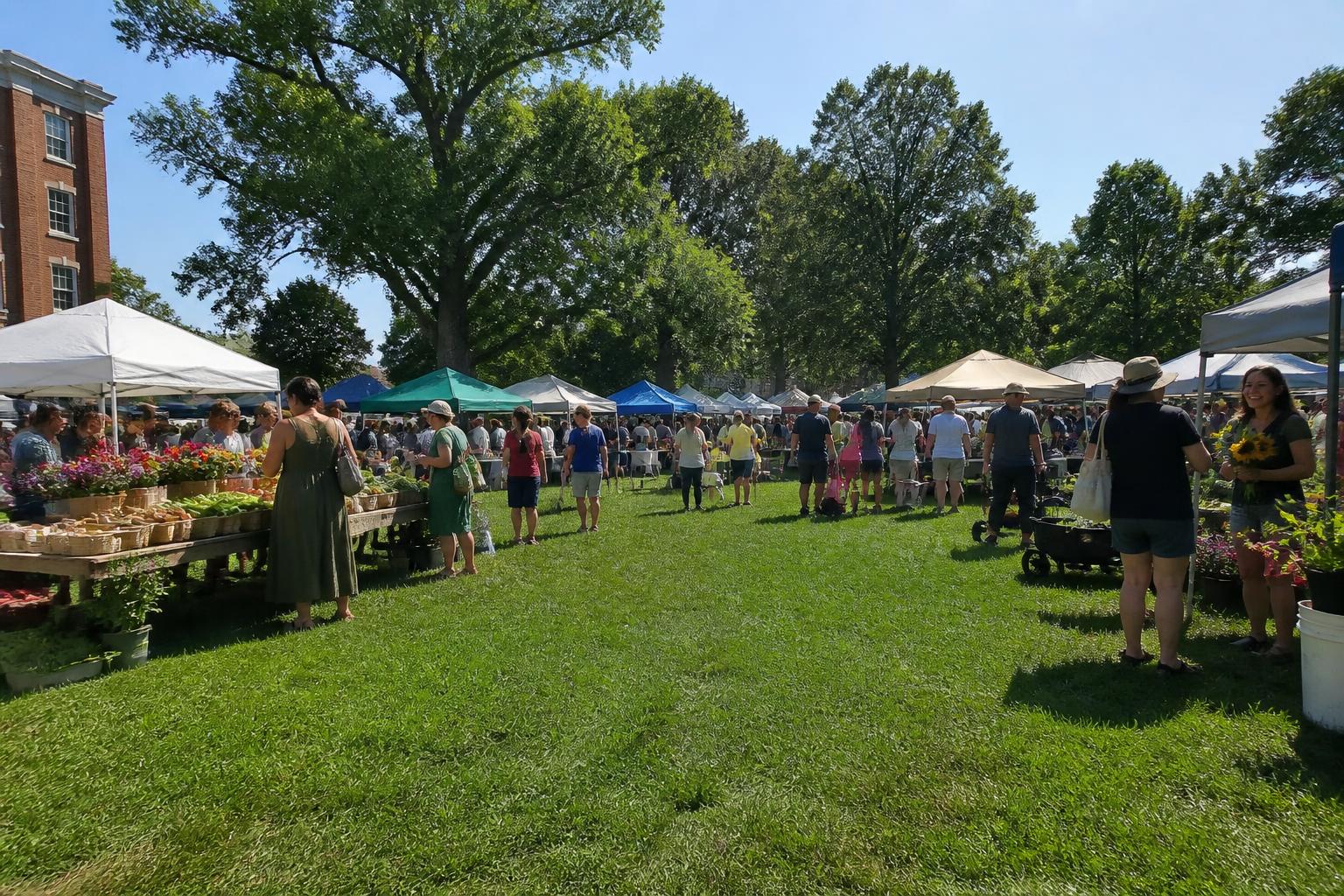
While bulk exports dominate long-haul logistics, local food distribution networks are also experiencing peak summer activity. Direct-to-consumer and regional supply chains are in full swing, highlighted by the opening of the Gainesville Central Farm Market at Virginia Gateway and the Rappahannock Farmers' Market for the 2026 season. These regional hubs require structured short-haul logistics to ensure fresh specialty crops travel efficiently from local farms to urban and suburban consumers.
For small and mid-sized haulers, these localized markets provide consistent regional freight opportunities. Operating along routes like Route 29 and the Interstate 66 corridor, short-haul carriers play a crucial role in maintaining the freshness and quality of perishable goods, illustrating the diverse scale of Virginia's agricultural transportation sector.
Peanut Shipments and Specialty Crop Transport
Specialty crops present unique transport requirements this summer. With new peanut contracts actively favoring Virginia-type peanuts, growers are preparing for specialized storage and transport demands. Unlike generic runner peanuts, Virginia-type peanuts require careful handling and specific aeration systems during transport and storage to preserve their premium quality.
Ensuring that specialized trailers and flatbeds are available when harvest season approaches is critical for logistics coordinators. As hauling capacity fluctuates with seasonal demands, secure contract agreements between growers and transport firms are vital to avoiding delays.
Key Logistics Takeaways
- Infrastructure reliance: Moving grain from rural elevators to coastal terminals depends heavily on reliable rail lines and truck routes.
- Local lanes: Farmers' markets in Northern Virginia and the Rappahannock area are driving steady demand for short-haul, refrigerated transport.
- Contract prep: The rise in Virginia-type peanut contracts means carriers must prepare for specialized commodity handling.
What it means for the market
For Virginia agribusinesses, grain handlers, and carriers, this summer highlights the need for a diversified transportation strategy. Balancing international bulk export opportunities with steady domestic short-haul lanes helps insulate local operators from localized market disruptions. Moving forward, keeping a close eye on transport capacity, fuel trends, and port efficiency will be key to managing freight margins successfully as the late summer harvest approaches.
Comments
No comments yet - be the first to share your take.