
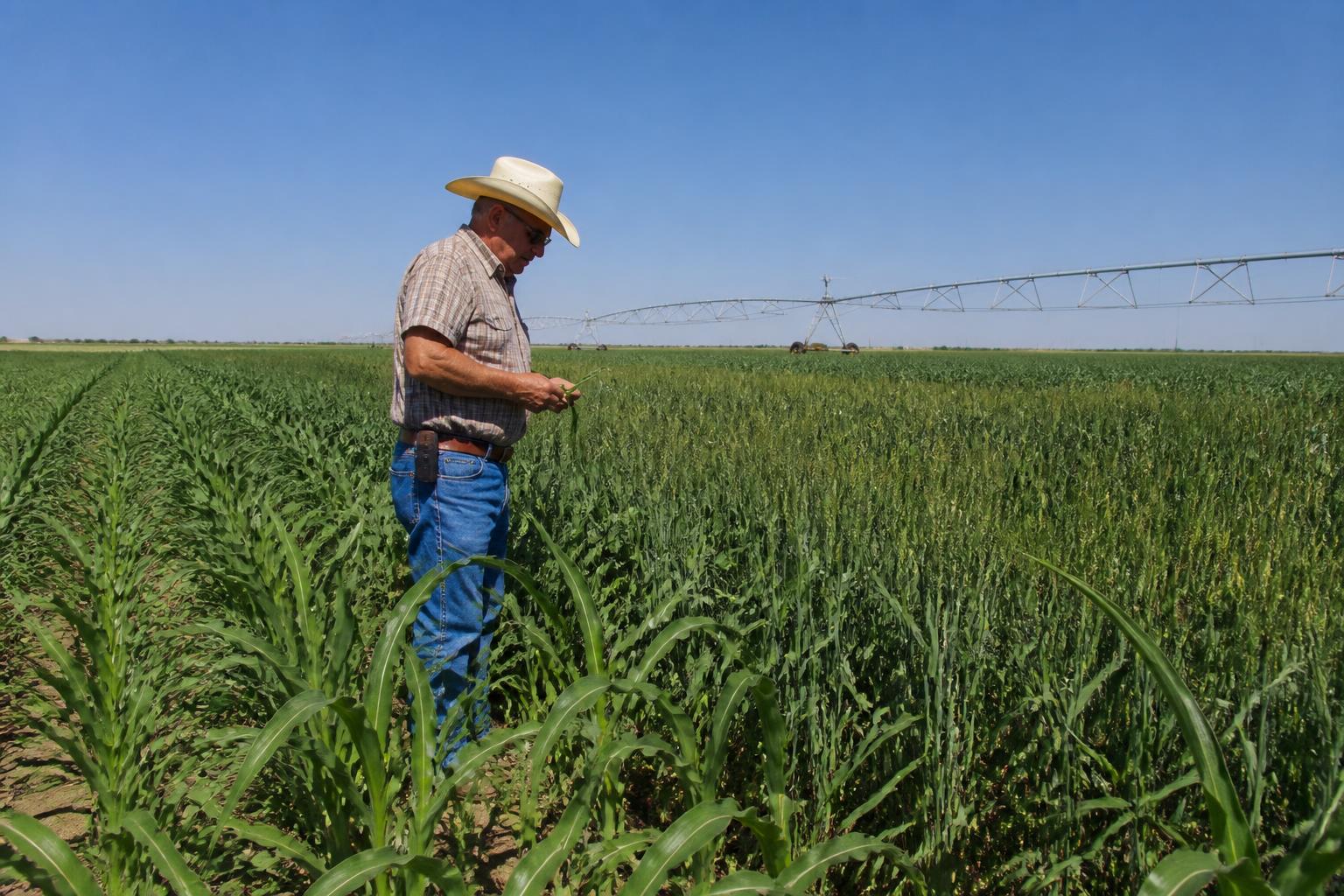
From the Eastern Plains to the Front Range, moving agricultural inputs and hauling harvested crops requires highly strategic route planning and budgeting. With international conflicts and key waterway blockages altering global trade routes, the cost and timing of bringing essential crop nutrients to Colorado fields are experiencing significant volatility. At the same time, regional freight demands are shifting due to weather-damaged crops.
Global Waterway Pressures Impact Local Fertilizer Delivery
Colorado farmers are feeling the direct ripple effects of international instability. Ongoing conflict in Iran and subsequent blockages of vital global waterways have disrupted the shipping lanes that transport critical fertilizer ingredients to North America. Because Colorado sits far from major ocean ports, local distributors rely on a complex network of rail lines and commercial trucking routes to move these bulk nutrients from Gulf ports and national distribution hubs into regional blending facilities.
These international supply chain bottlenecks mean that fertilizer transit times may be prolonged and freight costs could remain elevated throughout the summer. Transport operators and retail cooperatives are forced to secure shipments much further in advance, navigating volatile diesel prices and rail freight schedules to ensure that local growers have adequate crop nutrients for late summer and fall applications.
Drought and Freeze Damage Lower Grain Hauling Volumes
On the dryland acres of eastern Colorado, the summer harvest is telling a difficult story. The hard red winter wheat crop has suffered severe setbacks from prolonged drought and intense freeze damage, with overall yields expected to rival the historically poor harvest of 2023. This drop in production means there is less grain to haul from the fields to local elevators and terminal markets.
While a lighter crop reduces the immediate strain on rural road networks, it also alters the typical summer freight rush. Grain haulers may find less local demand for short-haul trips from the field, prompting them to look for longer-haul opportunities or alternative agricultural commodities to keep their fleets moving. To make the most of this challenging season, many growers are carefully analyzing the Colorado summer grain outlook and storage decisions to determine whether to transport their limited grain immediately or hold it on-farm.
Navigating Colorado Corridors in the Peak Season
For ag carriers operating along major corridors like Interstate 70, Interstate 25, and U.S. Highways 34 and 385, summer brings additional challenges. Increased tourist traffic, seasonal road construction, and strict weight enforcement require drivers to exercise caution and plan routes meticulously. In major agricultural counties such as Weld, Logan, and Yuma, local heavy-haul permits and bridge restrictions can further complicate route planning for fertilizer tankers and grain semis alike.
Logistics coordinators are advising fleets to maintain flexible schedules and monitor regional road closures closely. Ensuring that equipment is properly maintained to handle hot summer temperatures is also critical to avoiding costly highway breakdowns that can delay time-sensitive agricultural deliveries.
What it means for the market
For Colorado's agricultural community, the current logistics market demands maximum flexibility. High shipping costs for imported inputs like fertilizer mean that distributors and farmers must collaborate early to lock in delivery windows. Meanwhile, the smaller winter wheat harvest will likely keep local grain freight rates competitive, but carriers will need to diversify their cargo or look to interstate routes to maintain profitability. Tight margins across the supply chain mean that efficient, reliable logistics are more critical than ever to keeping Colorado agribusinesses viable.
Comments
No comments yet - be the first to share your take.