
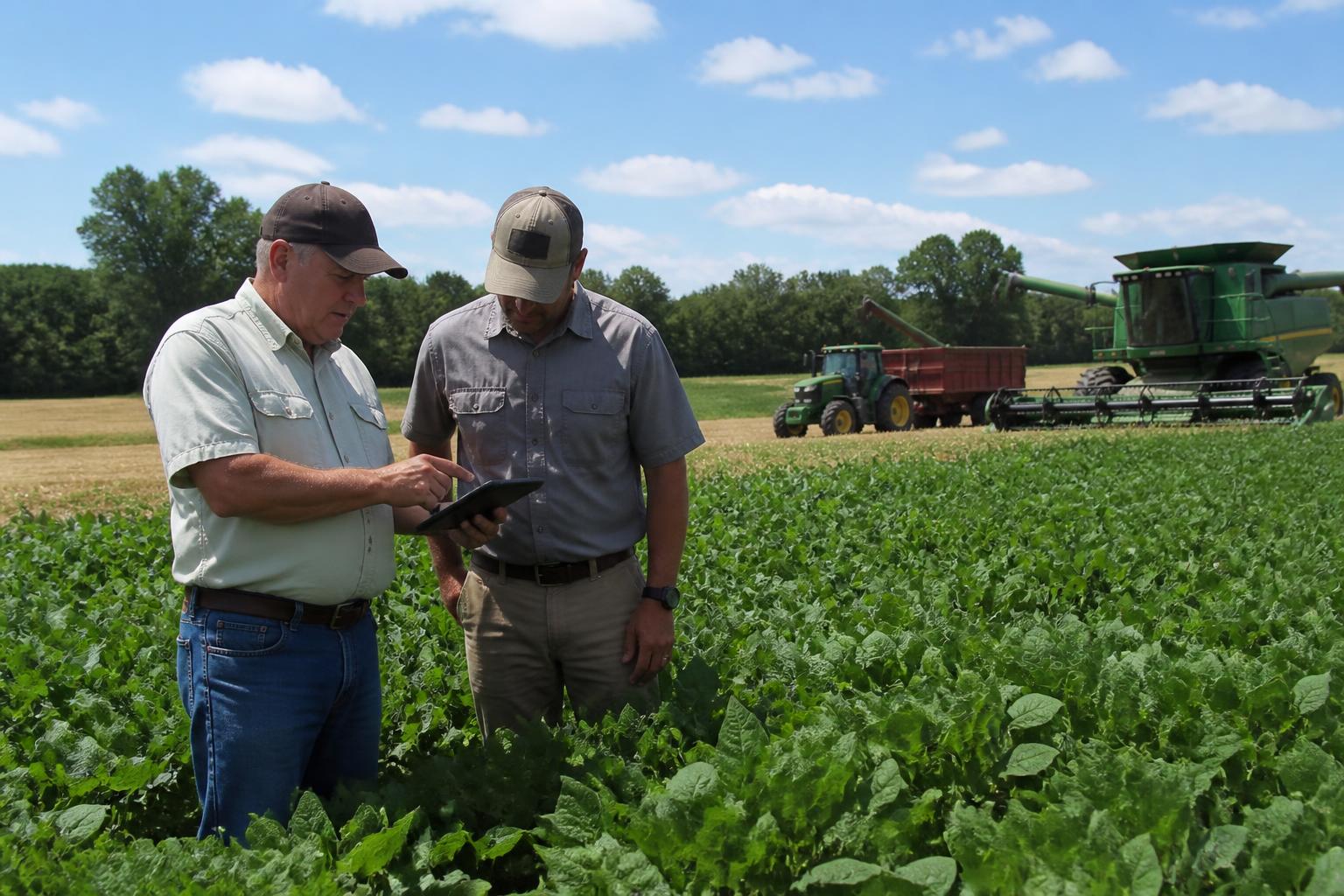
With Alabama's agricultural industry valued at approximately $9.98 billion, local farmers, transport carriers, and supply chain operators are facing a busy summer transport season. Keeping the state's food supply secure and moving efficiently requires seamless coordination between rural farm gates, local processing hubs, and interstate highway corridors. Recent assurances from state agricultural leadership emphasize that our food supply remains secure, but maintaining this stability relies heavily on the physical logistics of moving goods to market.
As the summer heat intensifies, regional logistical demands change rapidly. Transporting grain, poultry, and specialty crops across key corridors like Interstate 65, Interstate 85, and the state's extensive river shipping lanes requires careful scheduling and well-maintained equipment. Producers are currently navigating seasonal challenges similar to those felt in the Alabama corn market, where weather-driven yield fluctuations directly impact truck availability and freight rates.
Regional Transport Demands Across Alabama's Top Counties
Logistical pressure is not distributed evenly across the state. DeKalb County leads the state's agricultural economy, producing an estimated $863 million in agricultural value, largely driven by its robust poultry sector. Moving millions of birds and tons of feed weekly requires a highly specialized, temperature-controlled fleet and tight schedule adherence. In other parts of the state, such as the Black Belt and southwestern counties, river transport and rail spurs play a more dominant role in moving bulk grains and forestry products.
For grain haulers and cattle transporters, optimization is key to protecting thin margins. Rising operational costs mean that every empty backhaul or delayed loading window directly hurts a farm's bottom line. Many operators are finding ways to streamline their shipping routes while managing rising input hauling costs, a major factor currently shaping the broader Alabama agriculture market.
Federal Support and Specialty Crop Distribution
To help smaller and more diverse agricultural sectors get their products to market, the Alabama Department of Agriculture and Industries (ADA) recently received more than $500,000 in federal funds specifically designated to support the specialty crop industry. A significant portion of these initiatives typically addresses cold chain logistics, storage, and distribution channels, allowing local growers of fruits, vegetables, and horticulture products to access larger retail markets.
These specialized distribution channels require distinct transport considerations. Unlike bulk grain, which can handle longer transit times, fresh produce requires rapid, climate-controlled transport. This federal funding injection is expected to help local growers improve their packaging, shelf-life preservation, and shipping efficiency, ensuring high-value specialty crops do not spoil before reaching major distribution hubs in Birmingham, Montgomery, or Mobile.
Modernizing Alabama's Supply Chains
Leading agricultural operations across the state are showing how modernization can alleviate logistical bottlenecks. Large-scale innovators, such as the operators of Dee River Ranch near Aliceville-recent winners of the Farmer of the Year award-and Sam and Lynne Givhan, winners of Alabama's Farm of Distinction award, continue to model how technology and diversified management improve efficiency. Many of these award-winning operations focus on sustainable logistics, minimizing waste, and integrating new supply chain tools, much like the adoption of innovative drone technology in local fields.
Furthermore, global trends toward the circular economy and digital traceability-such as blockchain and automated tracking-are beginning to influence how local brokers manage shipments. While these high-tech systems are still emerging on a commercial scale, they represent the future of Alabama's transport network, promising greater transparency for both carriers and buyers.
Key Takeaways for Alabama Ag Shippers:
- Coordinate Early: High summer poultry and specialty crop volumes mean refrigerated trailers remain in tight demand.
- Optimize Backhauls: Work with local brokers to secure return loads, minimizing empty miles along major corridors.
- Monitor Load Weight Limits: Be mindful of summer road heat and local weight restrictions on secondary county roads.
What it means for the market
For Alabama's agribusinesses and carriers, the remainder of the summer will test logistical resilience. While the state's $9.98 billion agricultural sector remains fundamentally strong and secure, transportation costs and infrastructure limits will dictate profit margins. Shippers who leverage modern routing tools, participate in federally supported specialty distribution programs, and maintain flexible carrier networks will be best positioned to capture premium market pricing through the coming harvest season.
Comments
No comments yet - be the first to share your take.