
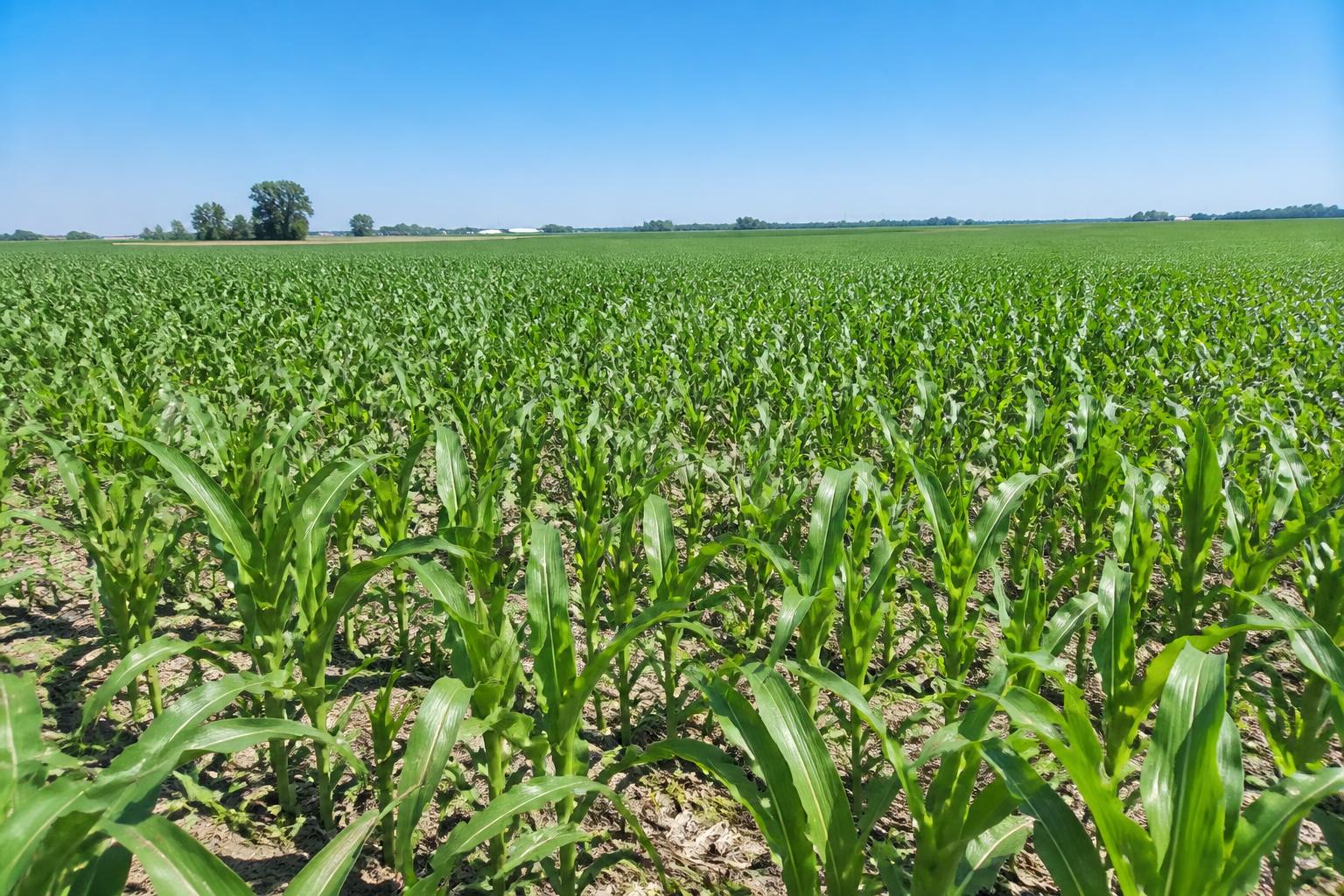
As summer settles across Alabama, row crop growers from the Tennessee Valley down to the Wiregrass region are entering a critical phase of the management calendar. With early vegetative progress well underway, the focus has shifted toward high-tech crop monitoring, precise nutrient application, and emerging biological tools designed to squeeze every ounce of potential from local fields.
Achieving top-tier productivity during the hot summer months requires a delicate balance of soil health, timely moisture, and cutting-edge management. Alabama farmers are increasingly turning to advanced agtech and tailored inputs to navigate seasonal stress and optimize overall profitability.
Precision Management at Critical Growth Stages
Early-season monitoring is proving essential for high-yield goals, especially for major row crops like corn. As crops pass through crucial vegetative milestones such as the V5 stage, when the plant begins determining ear size and row numbers, precision application of nutrients becomes paramount. Growers chasing high-yield targets are utilizing state-of-the-art diagnostic tools to ensure the crop has exactly what it needs, when it needs it.
The push for precision agriculture in Alabama has been accelerated by regional leaders and researchers like Brenda Ortiz, who has been instrumental in translating precision technologies into practical on-farm strategies. From variable-rate nitrogen applications to real-time soil moisture monitoring, these tools help southern growers mitigate the volatile summer weather while keeping input costs in check.
The Rising Role of Biostimulants and Yield Boosters
In tandem with digital technology, biological solutions are gaining serious traction in field trials and commercial operations. Recent global meta-analyses highlighting the yield effectiveness of biostimulants suggest these products can offer measurable performance boosts, particularly under environmental stress. For Alabama growers facing intense summer heat and potential moisture deficits, incorporating these inputs can act as an insurance policy for yield stability.
Applying these innovations requires a holistic view of crop health. To better understand how biological tools fit into a broader climate strategy, growers are increasingly looking at biologicals and soil amendments to safeguard yields during challenging weather cycles.
Diversification and Micro-Climate Adaptations
Beyond traditional row crops, Alabama's agricultural landscape is diversifying to meet localized demand. Regional climatologists, including those at the University of South Alabama, are actively analyzing micro-climates to support niche markets, such as local growers supplying ingredients for the state's growing craft beer industry. Finding high-value, climate-adapted specialty crops is becoming a key strategy for operators looking at new ways to make money growing food in the Southeast.
Key Takeaways for Alabama Producers
- Watch early vegetative stages: Ensure corn and other row crops receive precise side-dress applications by monitoring key developmental windows like the V5 stage.
- Evaluate biostimulants: Review independent field trial data to assess if biological enhancers can help mitigate typical mid-summer heat stress on your soil type.
- Leverage local climatology: Utilize state extension resources and climate data to time field operations and explore specialty crop diversification.
What it means for the market
For Alabama's broader agribusiness sector, the shift toward precision systems and biological enhancements signal a more resilient supply chain. As growers successfully stabilize yields through targeted agtech adoption, local elevators, logistics providers, and input suppliers can expect more predictable volumes. In a competitive global market, the margins gained through early-stage vegetative management and stress-reducing biological inputs will likely separate profitable operations from those struggling with seasonal weather extremes.
Comments
No comments yet - be the first to share your take.