
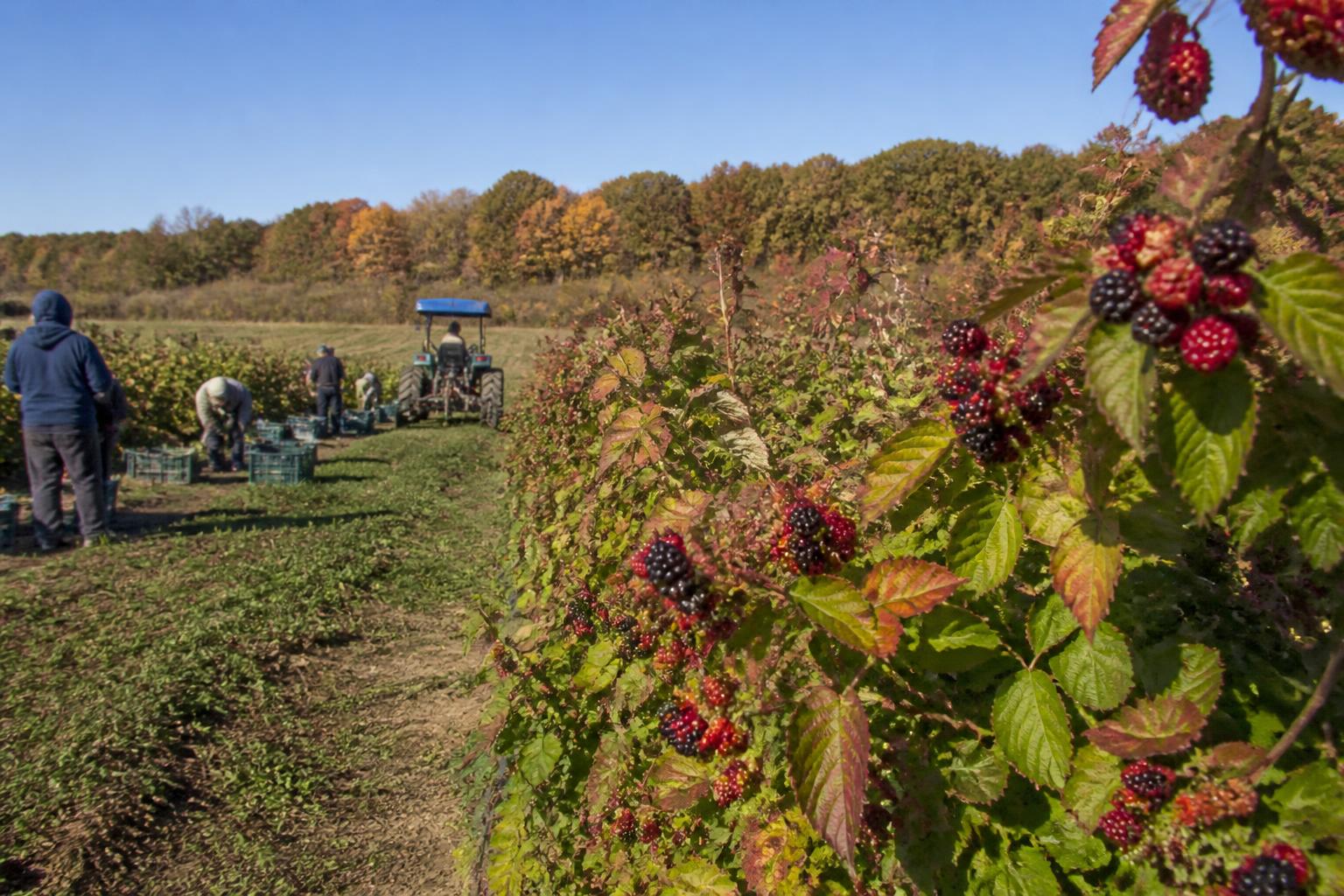
As the fall harvest season reaches its conclusion across New Hampshire, producers are shifting their focus from immediate logistics to long-term operational planning. With the shorter growing season typical of the Northeast, many farm managers are evaluating how to better integrate soil health and crop diversification into their upcoming yearly cycles. This transition often includes looking for new, high-value opportunities that can thrive in local microclimates.
Expanding into Specialty and Organic Markets
Recent agricultural data indicates a growing interest in expanding the range of crops grown within the state. For instance, initial reports of kiwiberry production in the Northeast signal that growers are diversifying away from traditional staples. This trend toward specialty crops is often coupled with an interest in organic transitions, as farmers look for ways to meet rising consumer demand for locally sourced, sustainably grown produce. By moving toward organic practices, many operations hope to improve their soil resilience and access premium market segments.
The Role of Soil Health and Long-Term Viability
Beyond crop selection, investment in soil health is becoming a central strategy for New Hampshire agribusinesses. As large food companies increasingly look to sequester carbon, local farmers may find new incentives to adopt practices that lock carbon into their fields. This shift in production strategy aligns with broader trends in the management of harvest and future planning, as growers seek to stabilize their long-term yields against variable climate conditions.
Operational Efficiency During the Seasonal Close
As the fields enter their winter dormant phase, infrastructure maintenance remains a priority for regional elevators and logistics providers. Understanding the nuances of seasonal throughput is essential for those balancing the current storage needs with the cleanup required for next spring. Efficiently managing these assets now can help reduce the administrative and physical bottlenecks that often occur during the rapid startup of the spring planting season. Growers should prioritize auditing their storage capacity and equipment health while activity remains lower following the peak of the autumn harvest.
What it means for the market
For New Hampshire producers, the move toward specialty crops and organic certification represents a strategic effort to hedge against market volatility. By focusing on soil health and diverse crop varieties, farms can potentially capture higher margins. However, these transitions require careful consideration of logistics and local infrastructure readiness, especially as changing infrastructure needs continue to shape the way grain and produce move across the state.
Comments
No comments yet - be the first to share your take.