
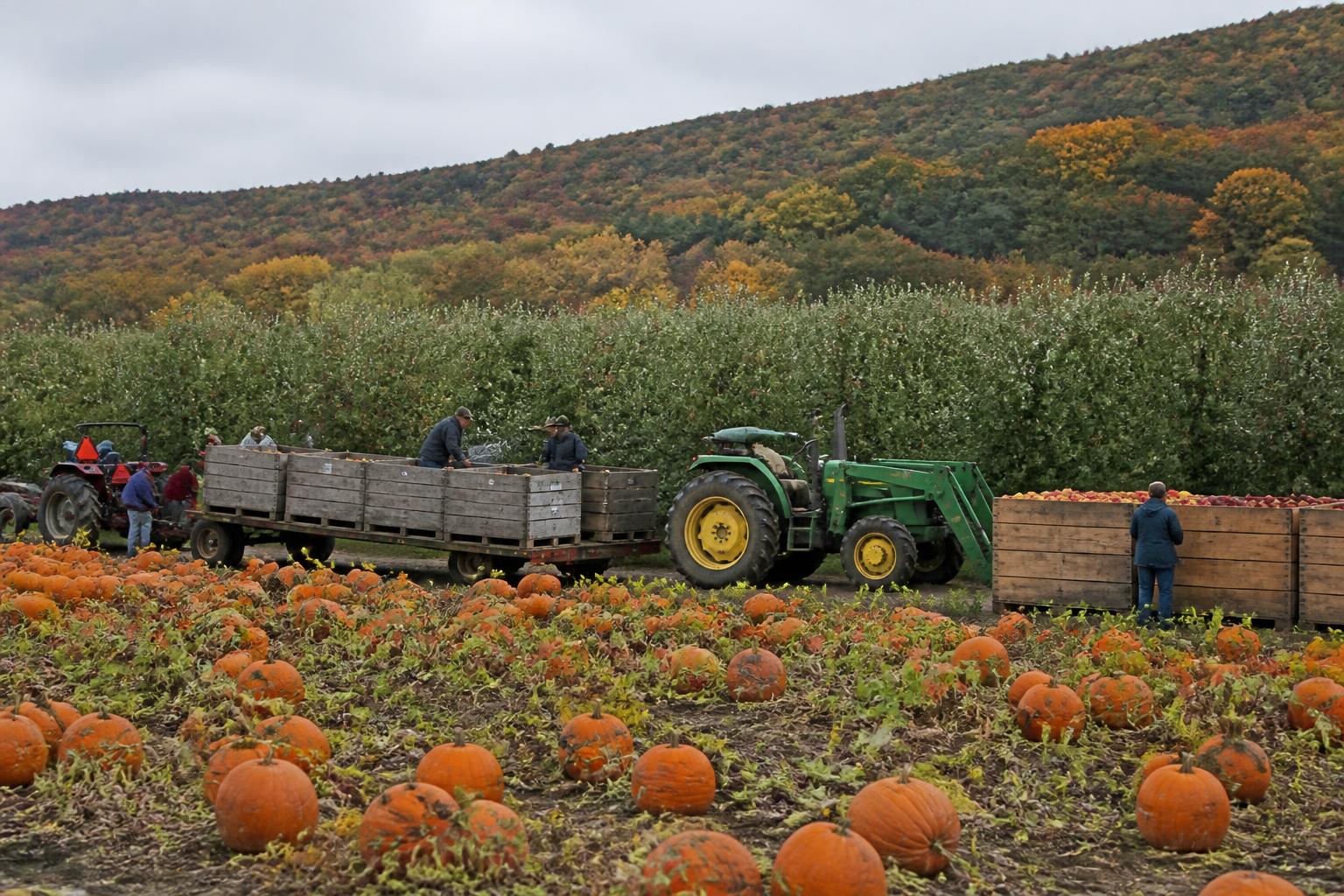
As Pennsylvania producers move through the busy fall season, the fertilizer market is presenting a distinct set of challenges for local agribusinesses and farm operations. With the broader agricultural landscape facing shifting logistics, managing input costs remains a critical priority for growers planning their upcoming cycles.
Global market dynamics are having a ripple effect on local availability and pricing. Recent international developments, including production shutdowns in key nitrogen-producing regions and a notable contraction in phosphate exports from major suppliers, have created a tightened environment for domestic supply. For Pennsylvania farmers, these global bottlenecks often translate into localized price volatility, complicating the standard procurement process for essential crop nutrients.
Managing Input Costs in a Shifting Landscape
In response to these tightening supplies, many operations are reevaluating their procurement strategies to mitigate the risk of sudden price spikes. Producers in Pennsylvania's diverse agricultural corridors are increasingly looking at nutrient management plans that prioritize efficiency as a tool for cost control. This proactive approach is essential as farms navigate not only input price fluctuations but also the broader challenges of rising operational expenses and labor constraints described in recent regional logistics assessments.
Local Resilience and Policy Context
The pressure on input costs comes at a time when Pennsylvania is focusing more intently on its own agricultural foundation. State leadership has recently introduced initiatives aimed at addressing land loss and economic sustainability, which may provide farmers with more robust frameworks for long-term planning. Whether addressing input costs or navigating the logistical complexities of the harvest infrastructure, the ability to pivot and manage resources effectively is becoming a hallmark of local operational success.
What it means for the market
For the Pennsylvania market, the current fertilizer situation underscores a period of high sensitivity to international trade shifts. While supply chains remain functional, the combination of global production interruptions and regional economic pressures suggests that producers should maintain a defensive stance on input purchasing. Staying ahead of potential supply gaps through early engagement with local dealers and monitoring regional price trends will be vital as the industry heads toward the next planting season.
Comments
No comments yet - be the first to share your take.