
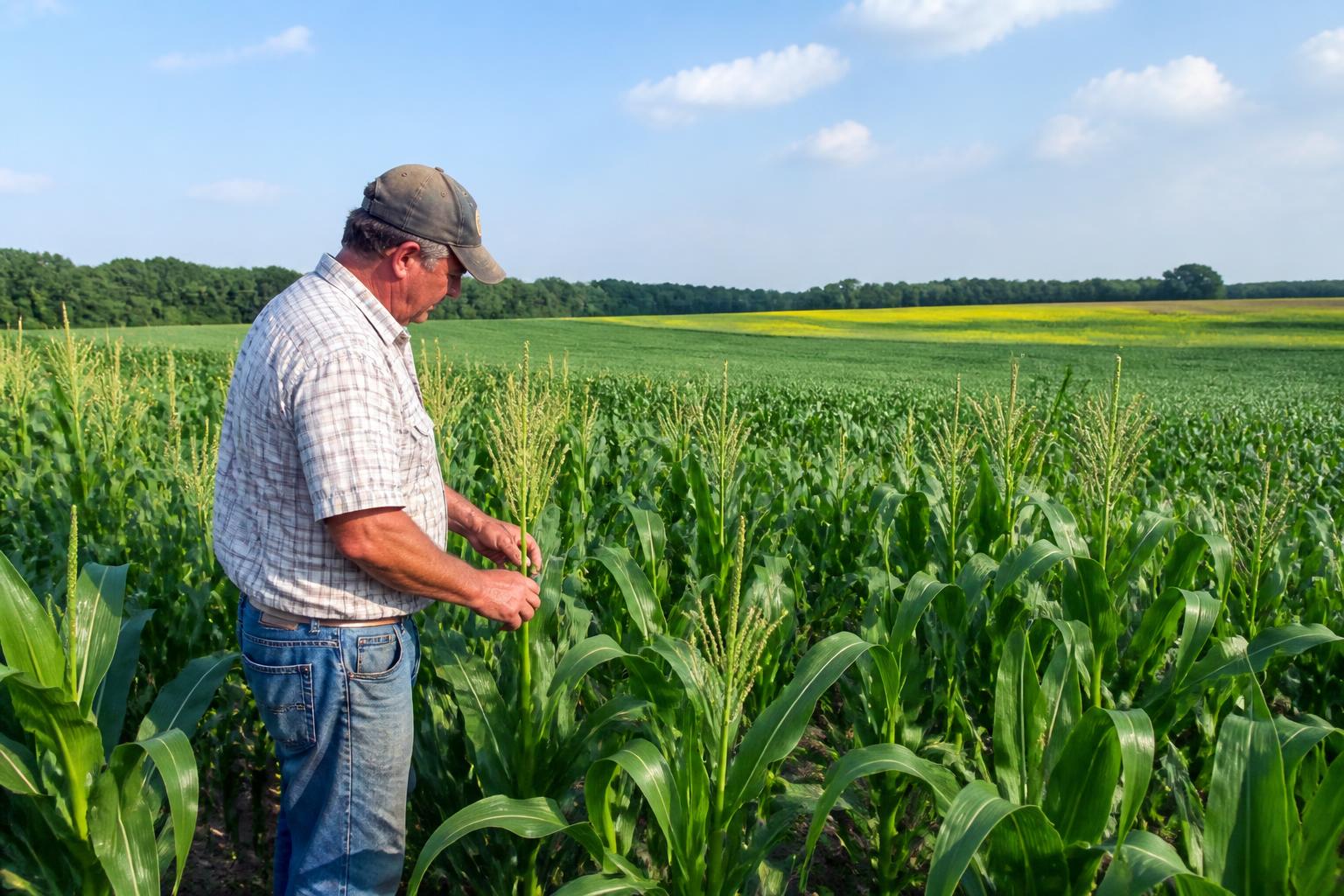
As South Carolina ag shippers navigate the hot summer months, keeping regional supply chains running efficiently is more critical than ever. Recent recognition of the state's port leadership highlights the strong connection between East Coast maritime hubs and local growers. However, local producers and transport operators are currently facing a dual challenge of dry weather and shifting market economics, requiring careful management of South Carolina Ag Transport: Managing Summer Hauling Capacity and Port Logistics.
Port Excellence and Export Integration
The Agriculture Transportation Coalition (AgTC) recently honored the head of South Carolina Ports, emphasizing the critical role that the state's maritime gateways play in keeping U.S. agricultural exports moving. Efficient port logistics are vital for South Carolina's grain, poultry, and forestry exporters. Ensuring a smooth flow of containers and bulk cargo through coastal terminals is especially important when adapting to South Carolina Ag Logistics: Intermodal Records and Weather Hurdles that frequently disrupt summer shipping corridors.
While infrastructure at the coast remains a strong asset, the domestic leg of the journey presents fresh obstacles. High fuel costs, localized driver availability, and load weight management during the dry season continue to test the resilience of local motor carriers and grain elevators.
Drought and Market Headwinds Trigger Relief Discussions
On the farm front, South Carolina growers are grappling with dry conditions and rising input costs. In response, state lawmakers have been considering a 50 million dollar relief package to help farmers offset the financial strain of recent droughts and high operating overhead. This pressure is compounded by downward movement in local commodity values. On June 26, 2026, cash grain bids across South Carolina reported notable drops, forcing producers to watch their marketing and transportation margins closely.
The convergence of lower cash prices and persistent transport costs means that every mile hauled counts. Trucking efficiency from the field to local buyers or to regional ports can make the difference between a profitable summer run and a operating loss.
Key Takeaways for South Carolina Shippers
- Monitor Local Bids: Keep a close eye on daily elevator bids as cash prices respond to wider summer supply pressures.
- Optimize Load Weights: Work closely with local carriers to maximize legal weight limits, reducing the total number of trips needed during high-cost summer hauling.
- Track State Relief Progress: Monitor the proposed 50 million dollar legislative relief package, which could provide critical cash-flow support for drought-affected operations.
What it means for the market
For South Carolina agribusinesses, the current landscape demands strict logistical discipline. While the state's maritime infrastructure continues to gain national accolades for efficiency, the financial squeeze on local farms from falling grain prices and summer drought remains acute. To maintain profitability, growers and elevator operators must focus on minimizing handling costs and securing reliable freight capacity ahead of the late-summer and fall harvest squeeze.
Comments
No comments yet - be the first to share your take.