
With grain prices softening, minimizing transportation costs and optimizing haul routes have become critical priorities. Moving grain efficiently from the field to local elevators or regional river terminals will be key to managing the upcoming seasonal bottleneck.
Favorable Weather Shifts Focus to Transport Capacity
The saying that good weather can lead to poorer market prices is hitting home for many Ohio growers this June. While rain and sunshine have supported crop development throughout key production areas, the prospect of a large harvest is dragging down market prices. This trend places a heavier burden on farm logistics, as producers cannot rely on high market prices to absorb inefficient shipping decisions.
In regions ranging from Northwest Ohio down to southern counties near Brown County, agricultural logistics are already gearing up for a busy late-summer and fall run. When yields are high, local elevator capacity can fill quickly, forcing trucks to travel farther to find open dump pits. Selecting the right hauling partners and mapping out alternative delivery points can help prevent costly downtime spent waiting in long elevator lines.
Navigating Local Grain Movement and Storage Decisions
With local prices under pressure, some growers are exploring on-farm storage to delay sales until seasonal basis levels improve. However, this strategy still requires a clear understanding of immediate and future trucking logistics. Growers must balance the cost of moving grain into bin storage now versus hauling it directly to market.
As the Ohio grain market navigates local demand shifts, the timing of grain delivery becomes just as important as the destination. Coordinating with local carriers early in the season helps secure competitive freight rates before seasonal demand spikes. Additionally, keeping an eye on regional transport corridors, weight limits, and county road restrictions is essential for keeping grain moving without regulatory delays.
Optimizing Input and Technology Logistics
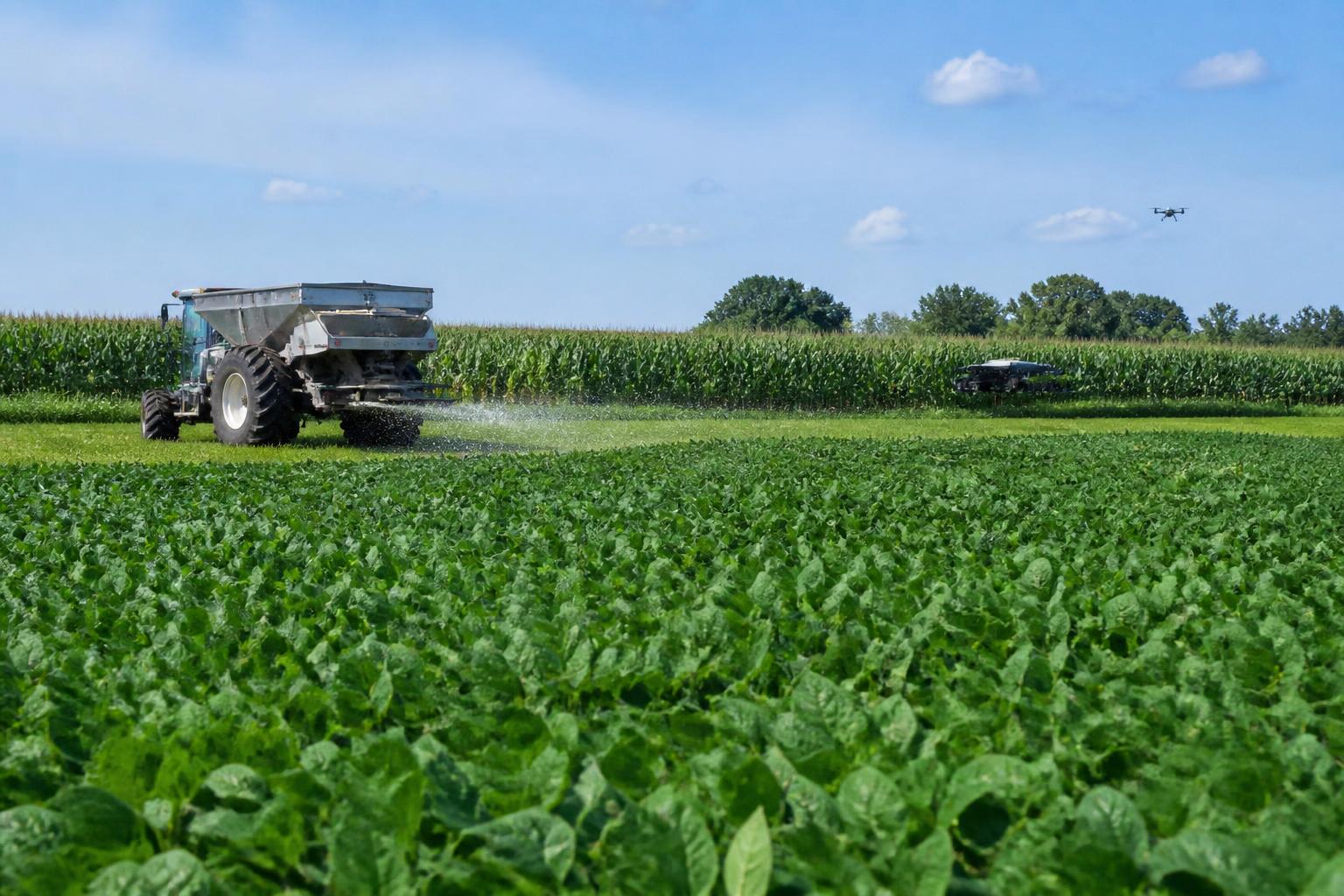
Logistical efficiency is not limited to outbound grain; it also affects inbound supplies and overall farm management. To offset low commodity prices, Ohio growers are focusing heavily on cost-efficient practices. This includes utilizing advanced variable-rate technologies to target fertilizer applications and optimize input delivery logistics. Integrating smart logistics can significantly reduce fuel consumption and wear on transport equipment.
By coordinating fuel deliveries, bulk seed shipments, and fertilizer hauling alongside grain transport, operations can reduce deadhead miles. Many growers are also exploring ways of maximizing summer nutrient budgets to keep production costs low while maintaining soil health. Integrating autonomous transport technologies and automated logistics systems could eventually streamline these supply chains even further, allowing for more precise, cost-effective regional distribution.
Key Logistics Takeaways for Ohio Farmers
- Plan haul routes early: Identify multiple delivery terminals to avoid elevator bottlenecks if local storage capacity fills up fast.
- Analyze storage vs. transport costs: Calculate whether on-farm storage savings outweigh the double-handling and future shipping costs.
- Secure freight capacity: Lock in transport contracts with regional carriers early to protect against seasonal rate hikes.
- Minimize empty miles: Backhaul inputs or coordinate fuel and fertilizer deliveries to maximize every trip your farm trucks make.
What it means for the market
For the Ohio agricultural transport sector, the summer market presents a classic volume-versus-value scenario. While lower grain prices pinch farm revenues, the anticipated larger volume of grain will keep regional trucking, rail, and barge networks highly active. Agribusinesses and carriers that can offer flexible shipping schedules and cost-efficient freight solutions will find themselves in high demand as the state prepares for a busy marketing year.
Comments
No comments yet - be the first to share your take.