
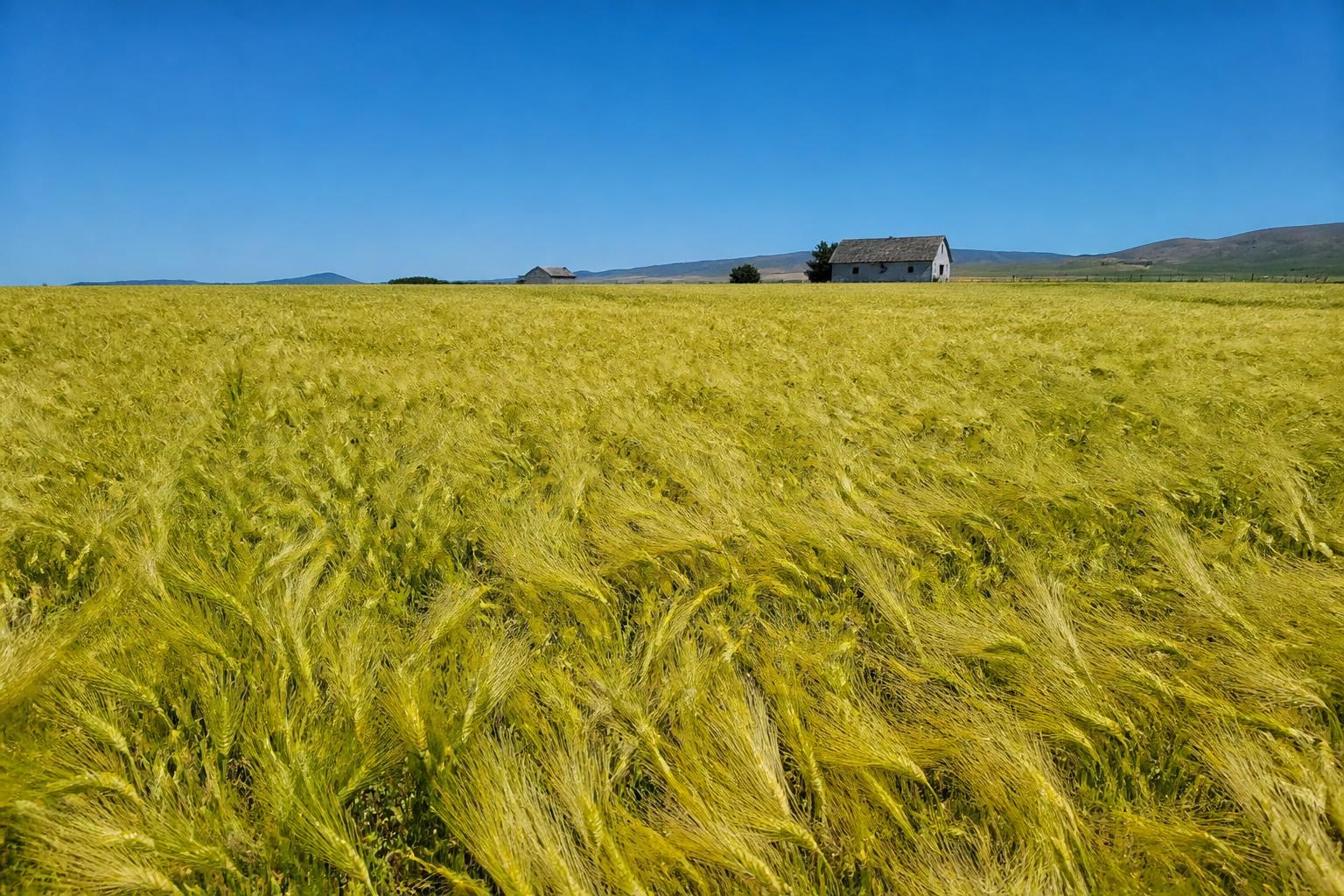
As mid-summer heat settles over Big Sky Country, Montana grain growers, elevators, and logistics providers are turning their attention to the roads and rail lines. Efficiently moving agricultural commodities during the peak summer months requires precise timing, reliable equipment, and clear shipping corridors. With winter wheat harvest on the horizon and spring crops maturing under the July sun, the state's transport networks are preparing for a massive seasonal push.
For Montana agribusinesses, securing freight capacity early is critical to avoiding bottlenecks at local elevators. Given the vast distances between Montana's agricultural hubs and major domestic and international processing centers, keeping bulk transportation fluid remains a top priority for the local ag sector.
Rail and Road Logistics Support Key Grain Markets
Montana's transport infrastructure plays a pivotal role in maintaining global trade partnerships. A key example is the state's barley sector, where growers continue to affirm strong export relationships with buyers in Mexico. Moving high volumes of high-quality malting and feed barley to southern destinations requires robust coordination with major Class I railroads and domestic trucking fleets. Long-haul rail lanes must remain clear and adequately supplied with hopper cars to ensure that contract deliveries are met without costly delays.
Local logistics coordinators are working to streamline traffic along major highway corridors, including Interstate 15 and Interstate 90, which serve as primary conduits for moving crops from farm gates to regional terminal elevators. Efforts focused on preparing Montana regional transport corridors help minimize transit disruptions during the busy harvest season, when slow-moving farm machinery shares the road with commercial trucks.
Leveraging Local Climate Data for Logistics Planning
Strategic transport decisions in Montana are increasingly supported by advanced localized environmental data. The Montana Climate Office expanded its capabilities by adding 37 new monitoring stations in 2024, providing critical, real-time weather and soil data across various agricultural regions. For grain handlers and transport coordinators, these monitoring systems offer valuable insights into local conditions.
High summer temperatures and potential drought stress can accelerate crop dry-down, prompting an earlier-than-expected harvest window. By tracking real-time weather patterns, logistics operators can better predict when grain will begin moving off the fields. This allows elevators to pre-position railcars and coordinate truck dispatches more efficiently, reducing idle times and optimizing fuel efficiency in hot weather.
Key Takeaways for Montana Shippers
- Secure Freight Early: Railcar demand is expected to climb as summer harvest gets underway, making early bookings essential.
- Monitor Regional Weather: Utilizing local climate data helps logistics managers anticipate harvest timing and adjust trucking schedules accordingly.
- Maintain Export Corridors: Reliable rail access is vital to supporting key trade lanes, including barley shipments to Mexico.
What it means for the market
For Montana farmers and grain buyers, transport efficiency directly affects the local basis and overall farm-gate margins. Maintaining reliable shipping lanes to key export partners like Mexico, while utilizing expanded climate data to plan regional fleet movements, will help minimize logistical bottlenecks this summer. As the harvest pace intensifies, close cooperation between growers, commercial haulers, and rail providers will be key to keeping Montana's agricultural supply chain moving smoothly.
Comments
No comments yet - be the first to share your take.