
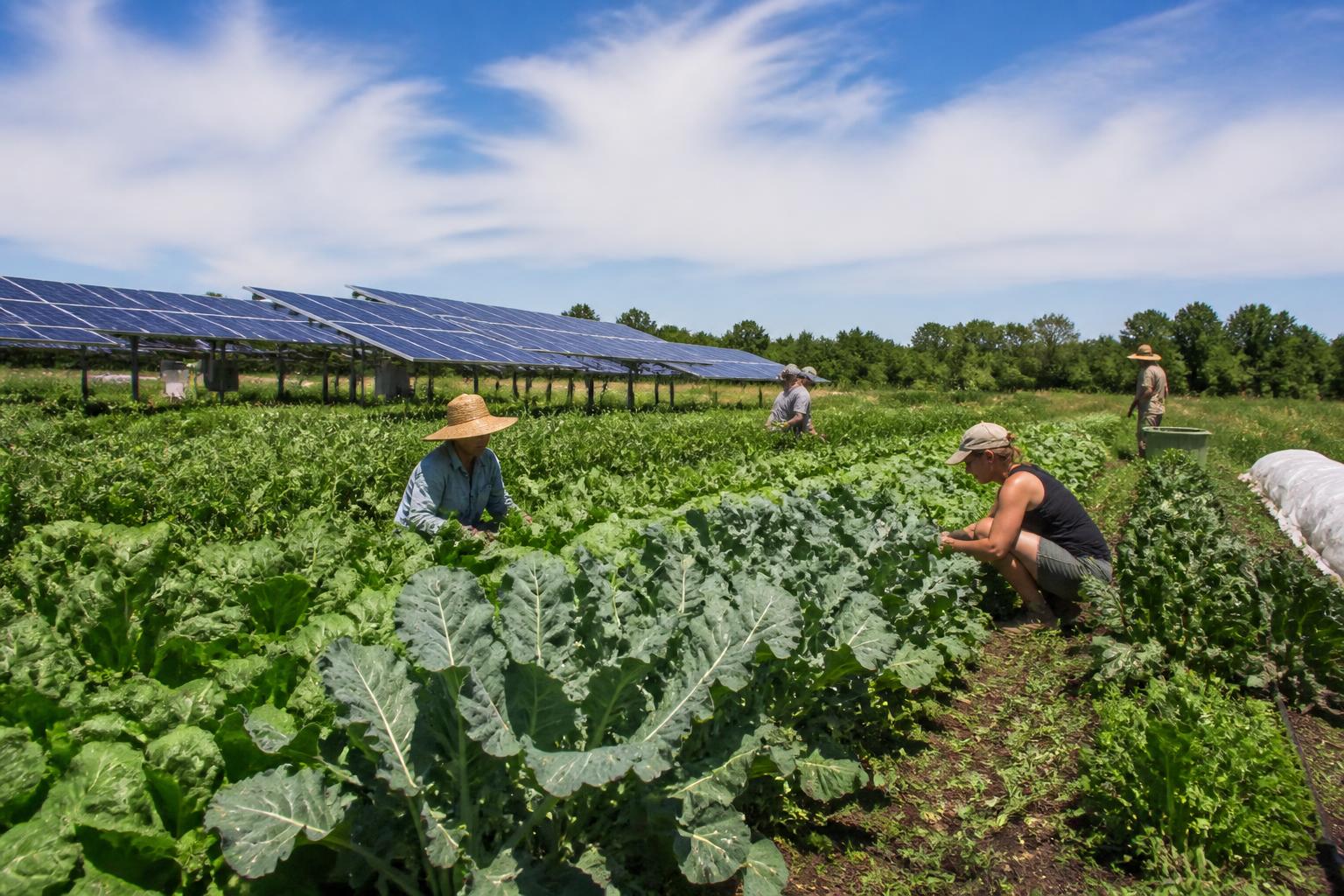
Summer in New Jersey brings intense activity to the state's agricultural corridors. As fresh produce and early grains move from fields to regional distribution hubs, local growers face distinct logistical challenges. Navigating the dense transportation network of the Garden State requires balancing rural road limitations with high-volume transit lanes that connect local farms directly to major metropolitan markets.
Farmland Preservation vs. Warehouse Development
One of the most pressing issues for rural New Jersey logistics is the friction between expanding shipping hubs and preserved agricultural space. In Warren County, a major warehouse development plan was recently dropped after the state completed the purchase of the targeted farmland to keep it in active agricultural production. While logistics warehouses are vital for regional commerce, their expansion into rural counties can significantly alter traffic patterns and congest narrow roads used by slow-moving farm machinery. Balancing warehouse footprints with active farming remains crucial for maintaining safe, functional rural transit corridors.
These land-use conflicts exacerbate the logistical pressures highlighted in current discussions on New Jersey ag logistics challenges, where freight rail dynamics and fuel costs already complicate regional commodity movement.
Navigating Rural Roads and Safety Compliance
New Jersey's agricultural landscape often interfaces directly with suburban neighborhoods. In historic farming hubs like Delaware Township, which operates with minimal traffic control infrastructure like a single traffic light, moving large harvest machinery demands high situational awareness. Heavy summer road traffic can quickly lead to bottlenecks and safety concerns on rural routes.
Furthermore, interstate and local livestock transport has come under increased regulatory scrutiny. Recent regional legal incidents involving livestock truck accidents and subsequent animal cruelty charges underscore the critical importance of secure hauling practices and driver training. For local agribusinesses, ensuring compliance with transport safety standards is key to protecting operational reputation and reducing insurance liabilities. Managing summer transport also ties directly into broader distribution strategies, as outlined in the New Jersey summer crop progress and logistics outlook.
Leadership Shifts and Future Rural Transit
The administrative landscape governing New Jersey agriculture is also experiencing transitions. Following the stepping down of the previous Secretary of Agriculture, the state board has tapped a veteran of the New Jersey Farm Bureau to lead the department. This leadership change comes at a time when infrastructure modernizations, agrivoltaic research, and rural transport safety are top priorities for state agricultural advocates.
Local stakeholders are watching closely to see how the new administration addresses rural road weight limits and state-level support for farm-to-market transportation. These regulatory updates are increasingly vital as growers seek to mitigate logistical bottlenecks and secure their supply chains against market volatility, which was also explored in recent reports on protecting the Garden State against climate and logistics risks.
Key Takeaways for New Jersey Ag Operators
- Monitor local route congestion: Increased warehouse development in Warren County and adjacent areas can alter freight patterns, making pre-planned routing essential.
- Prioritize safety compliance: Transport safety audits and strict adherence to welfare standards during livestock hauling remain high-priority focus areas for regional carriers.
- Stay engaged with administrative changes: The transition in the state's agricultural leadership may bring fresh policy discussions regarding local road rules and weight exceptions during the peak harvest season.
What it means for the market
For New Jersey's agricultural sector, efficient transportation is the bridge between productive fields and lucrative East Coast consumer markets. As summer harvest volumes peak, growers and carriers must maintain strict safety standards and actively manage route scheduling to bypass growing suburban-industrial bottlenecks. Ultimately, the ability to navigate local infrastructure pressures and adapt to shifts in state agricultural leadership will define the competitiveness of Garden State commodities this season.
Comments
No comments yet - be the first to share your take.