
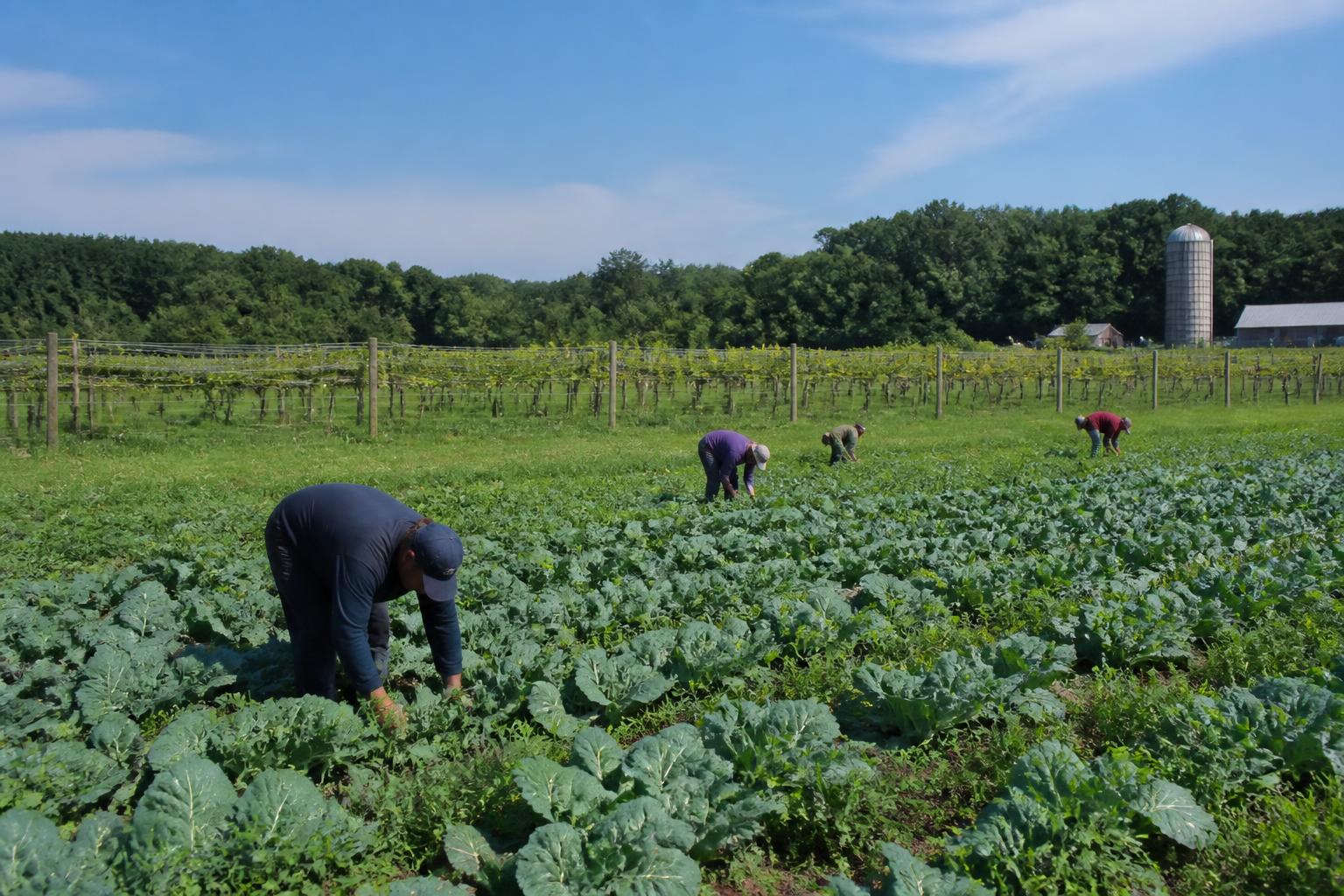
Summer is a critical window for New Jersey agribusinesses, as local harvests hit the highway corridors to supply major metropolitan markets. However, logistical hurdles are mounting for Garden State shippers. From legislative debates over regional rail operations to volatile fuel prices, moving agricultural products efficiently has become a primary concern for local carriers and producers alike.
Managing transport routes remains crucial as growers capitalise on the summer surge in local produce demand across the Northeast. Ensuring stable freight options is essential for maintaining margins during this high-volume season.
Railroad Operations Bill Faces Strong Pushback
A major point of concern for New Jersey's agricultural supply chain is the legislative battle surrounding a proposed Railroad Operations Bill. Business groups, including the New Jersey Business and Industry Association, are actively urging a veto of the legislation. Industry representatives warn that the bill's provisions could introduce operational inefficiencies and raise costs for rail carriers.
For South Jersey feed mills, grain elevators, and bulk input distributors, rail transport is an indispensable link for importing fertilizers and grain. Any disruptions or regulatory bottlenecks in local rail yards can spill over into trucking markets, forcing businesses to rely on more expensive road freight at short notice.
Fuel Costs Squeeze Trucking Margins Amid Strong Regional Demand
While New Jersey produce benefits from close proximity to massive metropolitan hubs like Philadelphia and New York City, local truckers are grappling with rising oil and gas prices. Surging fuel costs are driving up freight rates, eating into the returns of local growers who rely on refrigerated trucks to ship highly perishable fruits and vegetables.
Despite these transport expenses, the diversity of New Jersey's crop mix keeps regional distribution channels active. Shippers operating along major corridors such as the New Jersey Turnpike, Interstate 295, and Route 55 must continually optimize their routing to offset elevated diesel prices.
Supply Chain Volatility and Extreme Weather
In addition to rising fuel costs and regulatory hurdles, logistics planning has been complicated by extreme weather events. A state of emergency was previously declared to address crop losses resulting from severe weather across the region. These sudden shifts in crop yields make it difficult for fleet managers to schedule consistent backhauls, leading to empty miles and increased operating overhead.
To prepare for future disruptions, local agribusinesses are increasingly focusing on resilience strategies. Growers and distributors can learn more about adapting to these shifts by reading up on recent climate risks and disaster relief efforts in New Jersey to protect their operations.
What it means for the market
For New Jersey agribusinesses, the combination of legislative pressure on rail networks and high diesel costs requires highly flexible logistics planning. Shippers should secure transport contracts early and explore regional consolidation strategies to mitigate volatile spot-market rates. While the proximity to high-density consumer markets remains the Garden State's greatest competitive advantage, managing the physical costs of moving goods will dictate profitability through the rest of the summer season.
Comments
No comments yet - be the first to share your take.