
California agricultural producers and input distributors are closely monitoring the global fertilizer supply chain as escalating international tensions threaten to disrupt key trade lanes. Ongoing maritime security issues in the Middle East, particularly those involving Iran, have raised concerns about potential delays and price hikes for imported fertilizer materials. For Central Valley growers managing intensive specialty crops under the summer sun, securing timely access to essential soil nutrients is becoming a top operational priority.
These international logistics hurdles coincide with evolving state-level regulatory discussions, leaving California agribusinesses to balance macroeconomic volatility with strict regional compliance standards. To stay ahead of potential shortages, many market players are actively reevaluating their procurement schedules and looking closely at domestic inventory levels.
Geopolitical Shipping Delays and Import Vulnerabilities
The global fertilizer market has struggled to maintain stability in the face of persistent geopolitical shocks. For West Coast agricultural operations, which rely heavily on efficient maritime routes for chemical and mineral imports, any disruption at sea can quickly translate to local supply pinches. Shipments of critical raw materials, including urea, anhydrous ammonia, and potash, are facing longer transit times as bulk vessels reroute around volatile maritime corridors.
Local input providers warn that prolonged shipping detours could lead to spot shortages or sudden cost spikes just as summer application windows peak. Agribusinesses are responding by booking orders further in advance, an approach that is increasingly vital for managing summer price volatility across California's agricultural regions.
State-Level Regulatory Shifts and Advisory Panel Vacancies
At the state level, California is taking steps to address long-term fertilizer research and environmental stewardship. The California Department of Food and Agriculture (CDFA) recently announced vacancies on its specialized fertilizer advisory panels, seeking industry experts to help direct nutrient research and educational funding. This effort is aimed at improving resource efficiency and helping growers transition toward sustainable soil management practices.
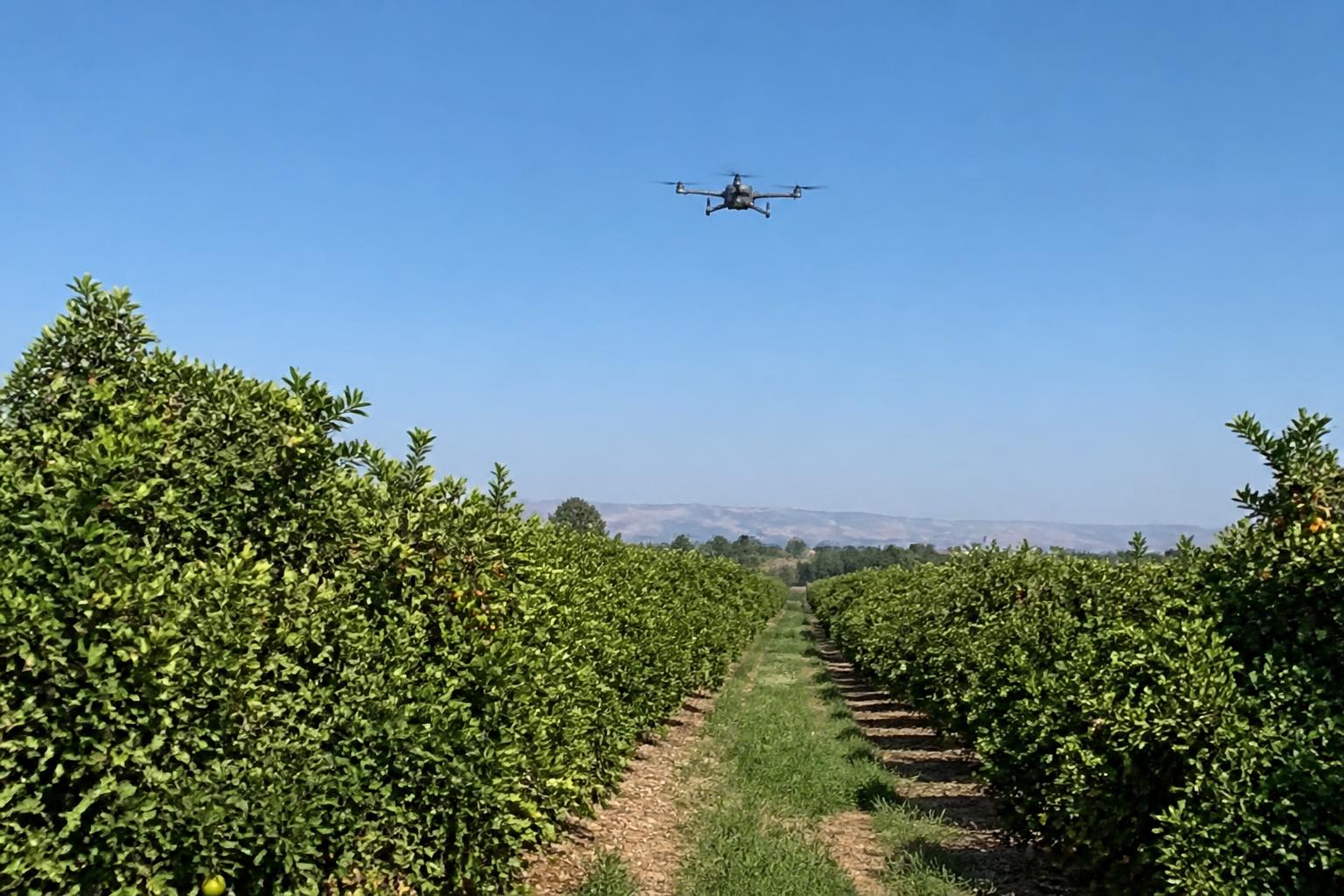
At the same time, regional growers are looking for innovative ways to optimize their input usage. From the testing of zero-emission autonomous crop-duster aircraft to adopting highly targeted liquid applications, California operations are integrating advanced technology to cope with rising material costs. Adapting to new nutrient strategies and pesticide rules is critical for keeping specialty crops healthy without over-applying costly chemical inputs.
Rising Packaging and Environmental Overhead
Another emerging factor for the agricultural input sector is California's tightening regulatory stance on product packaging. Industry leaders have warned that strict new state packaging rules and limits on single-use plastics could soon raise operational costs for fertilizer manufacturers and distributors. Converting to compliant container materials is expected to add overhead expenses, which may ultimately be passed down the supply chain to retail input buyers.
Furthermore, broader transport and handling logistics across the state remain complex. Navigating these regional regulations alongside supply chain bottlenecks requires careful coordination, as detailed in recent assessments of navigating logistics and input trends within California's central shipping corridors.
Key Takeaways:
- Geopolitical conflicts in the Middle East are causing shipping delays that raise the risk of localized fertilizer shortages.
- CDFA is looking for agricultural representatives to fill vacancies on its fertilizer research and advisory panels.
- New California packaging standards could increase compliance costs for chemical and fertilizer distributors.
- Growers are turning to precision technology and advanced application methods to maximize the efficiency of every acre.
What it means for the market
For California growers, fertilizer distributors, and crop advisors, the combination of shipping uncertainties and rising regulatory compliance costs means that passive buying strategies are no longer viable. Securing nutrient requirements early, diversifying supply channels, and utilizing precision application technology will be essential to mitigating summer market volatility and maintaining crop yields across the state's highly productive valleys.
Comments
No comments yet - be the first to share your take.