
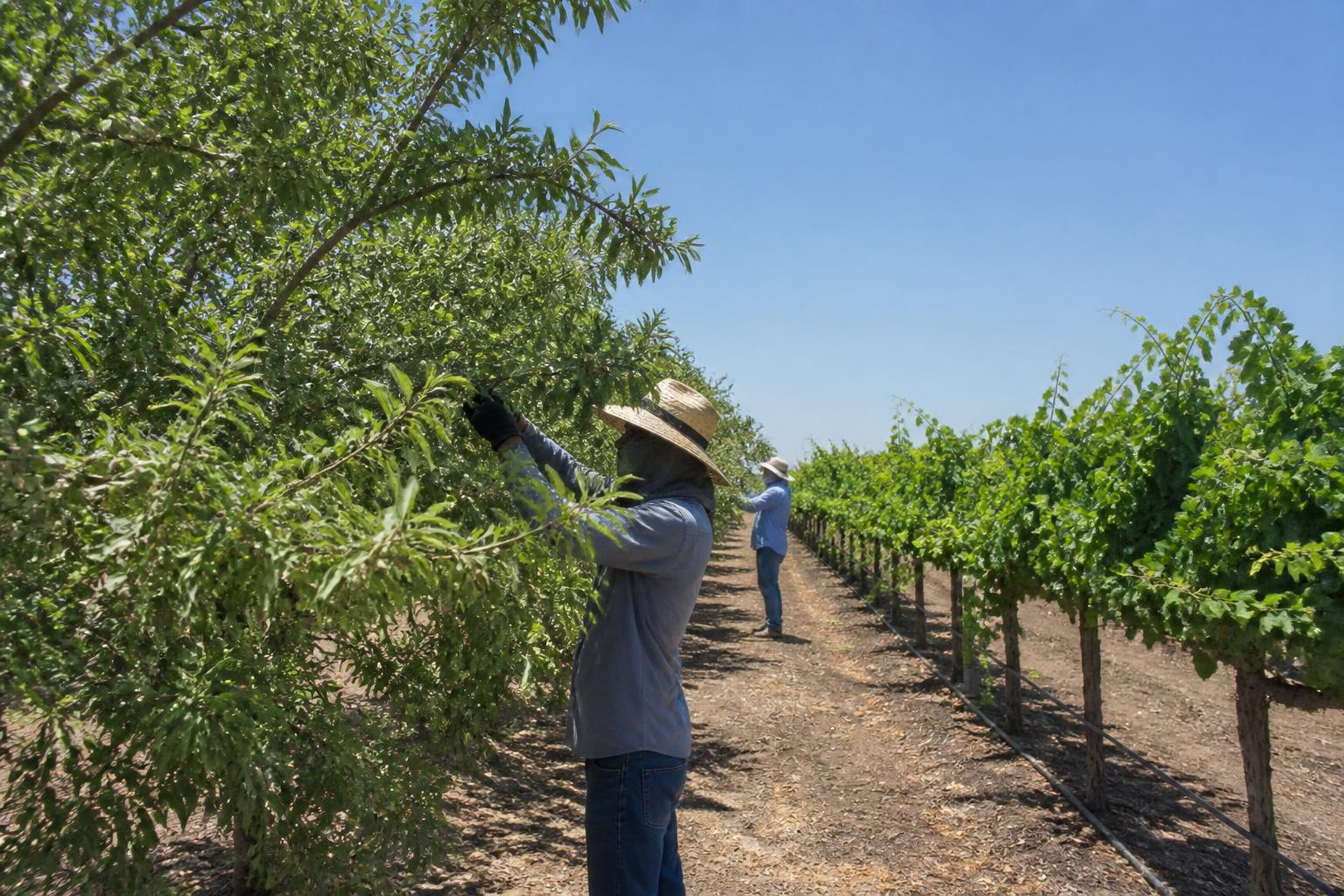
As California growers navigate the peak summer season, volatile fertilizer markets and lingering logistics bottlenecks are forcing agribusinesses to re-evaluate their input strategies. Global supply chain disruptions and unstable international markets continue to complicate nutrient procurement, creating a highly unpredictable environment for long-term farm budgeting.
Global Volatility Meets Local Freight Challenges
The global fertilizer market is striving to find stability amid ongoing international shocks, but the domestic supply chain remains fragile. Although bulk fertilizer shipping has officially resumed following recent disruptions, industry reports indicate that a full logistics recovery will take time. In California, these import and delivery delays are often compounded by local freight challenges.
Truckers and agricultural shippers operating along major transport corridors, such as Interstate 5 and Highway 99, face persistent freight and driver pressures. This makes the movement of bulk inputs from coastal ports to inland agricultural hubs both slow and expensive. For growers trying to secure prompt summer nutrient applications, these transport friction points add unwanted premiums to retail prices, highlighting the importance of integrating comprehensive crop protection and nutrient strategies to protect seasonal yields.
Budget Pressures on Permanent and Row Crops
High input costs are hitting California producers at a sensitive time. Farmers across the state, from the almond orchards of the San Joaquin Valley to the coastal vineyards of Northern California, are feeling the pinch of tight margins. With state walnut production expectations dipping and grape growers already grappling with localized herbicide shortages, ongoing fertilizer volatility only adds to the operational strain.
This economic squeeze is also felt in the field crop sector, where growers of wheat, alfalfa, and forage crops must carefully weigh the cost of critical inputs against shifting commodity prices. Proactively managing rising input costs has become a central focus for growers planning their upcoming winter and spring budgets, especially as regional farmland values show signs of depreciation, which can reduce overall borrowing power for some operations.
Strategic Planning Amid Slow Shipping Recovery
As the industry looks ahead, the volatility in the fertilizer sector is expected to heavily influence farm budgets. Because global supply chains remain vulnerable to sudden shifts, relying on last-minute spot purchases of urea, anhydrous ammonia, or potash could expose growers to severe price spikes. Many operations in California are responding by optimizing application timing, utilizing precise soil testing, and coordinating closer with local crop advisors to eliminate waste.
Successfully navigating logistics and input pricing requires a combination of early procurement, diversified sourcing, and strong relationships with regional distributors who can secure allocations before seasonal demand peaks.
What it means for the market
For the California market, high fertilizer volatility means that input risk management is now just as critical as marketing the finished crop. Agribusinesses, fertilizer retailers, and carriers must brace for a prolonged recovery period in domestic shipping and logistics. Growers who lock in dry and liquid fertilizer requirements early and coordinate closely with freight partners to bypass highway corridors bottlenecked by seasonal traffic will be best positioned to protect their bottom line.
Comments
No comments yet - be the first to share your take.