
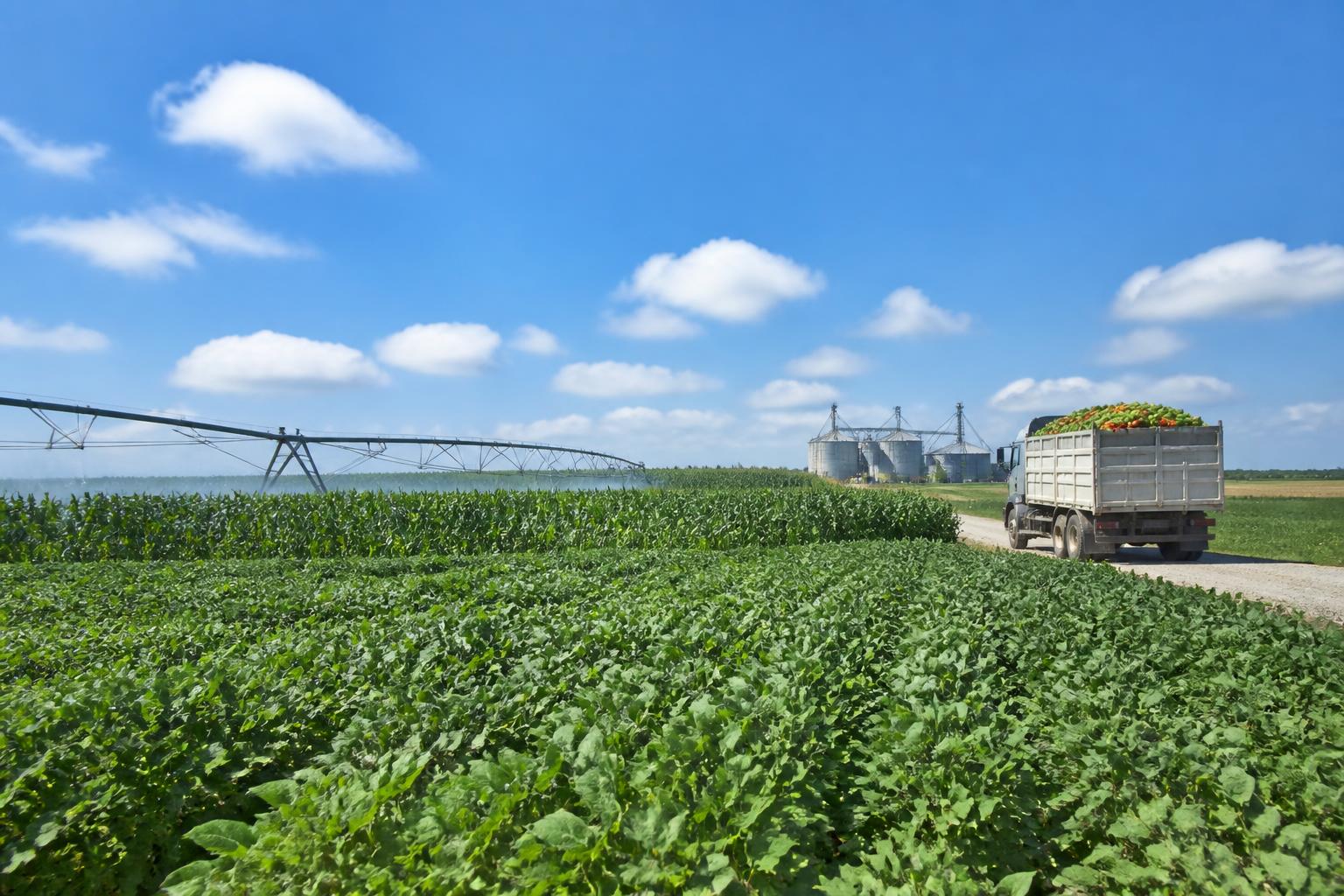
California grain growers and agricultural handlers are heading into a demanding summer season, balancing production goals with tight input supplies and evolving regulatory landscapes. Cultivating field crops in regions like the Central Valley requires balancing water availability with cost-efficient management practices, especially as national supply chains and international trade policies shift. Growers must remain proactive to keep operational costs manageable as field and harvest activities ramp up.
Input Costs and Water Resource Management
Input procurement remains a top concern for operations across the state. The broader domestic agricultural sector continues to face a notable fertilizer deficit, which keeps pricing pressure high for critical soil nutrients. For grain and field crop growers relying heavily on irrigated acreage, managing water channels is just as critical as managing fertilizer applications. The recent California registration of new tools, such as UPL's Top Deck aquatic herbicide, offers growers an option to control weeds in irrigation systems, ensuring efficient water flow during peak summer demand.
In addition to chemical inputs, growers are looking at long-term soil health and weed suppression strategies, including the use of cover crops in rotation. Managing these variables is essential for maintaining margins, particularly when navigating current California grain market conditions and rising input costs.
Biofuels Policies and Regional Demand Shifts
State-level environmental and energy policies are also playing a larger role in shaping regional crop demand. Biofuels policies, particularly low-carbon fuel standards, are heavily influencing demand for oilseeds like soybeans across the country. While California is primary recognized for its specialty crop output, its policy frameworks drive processing and biofuel feedstock demand that reverberates through Western grain and feed distribution channels.
As state biofuels mandates drive interest in renewable diesel and biodiesel feedstock, grain elevators and feed yards must adapt to shifting supply patterns. This changing demand profile alters how feed ingredients are routed throughout the state, prompting handlers to secure logistics contracts early in the season.
Logistics, Green Corridors, and Trade Pressures
On the logistics front, transportation infrastructure is undergoing significant updates. The development of green truck corridors connecting key trade hubs aims to streamline agricultural transport while reducing transport-related emissions. This is particularly relevant for high-volume corridors connecting agricultural production centers to coastal ports like Oakland and Los Angeles. However, exporters still face hurdles from past and ongoing trade conflicts, such as the U.S.-China trade disputes, which have historically limited export options for Western agricultural goods.
Maintaining access to international buyers remains vital for regional market stability. Diversifying export destinations to markets in Southeast Asia, such as the Philippines, has become a key focus for West Coast shippers looking to mitigate trade-related disruptions while navigating the summer harvest and regulatory pressures.
Key Takeaways for California Agribusinesses
- Water and Weed Efficiency: Utilize newly registered aquatic herbicides to keep irrigation channels clear and maximize water delivery.
- Supply Chain Management: Anticipate continued high input costs stemming from the domestic fertilizer deficit by securing alternative nutrient sources.
- Biofuel Demand: Monitor how regional biofuel policies alter the pricing and availability of oilseeds and feed alternatives.
- Logistical Adaptation: Align shipping routes with emerging green transport corridors to ensure long-term compliance and efficiency.
What it means for the market
For California's grain and input markets, success this summer will depend on operational flexibility and meticulous supply chain planning. While trade disputes and input deficits create cost pressures, regional demand driven by biofuels and new logistics corridors offer stable outlets for those who can navigate the local regulatory landscape. Producers and handlers who monitor water-use efficiency and adapt quickly to shifting trade routes will be best positioned to protect their bottom line.
Comments
No comments yet - be the first to share your take.