
Hawaii's agricultural sector continues to navigate intense operational pressures, driven by geographic isolation and volatile global supply lines. For local producers managing diverse tropical crops from macadamia orchards to specialty produce, securing reliable soil inputs is a constant logistical hurdle. As farmers work to rebuild soil structures after recent devastating flooding events, the focus has increasingly turned to nutrient efficiency, organic soil amendments, and resilient import strategies.
The High Cost of Importing Crop Nutrition
Because Hawaii is situated thousands of miles from the mainland, the vast majority of agricultural inputs, including synthetic and organic fertilizers, must be shipped across the ocean. This heavy reliance on maritime shipping exposes local growers to freight rate hikes and global supply chain bottlenecks.
To combat this, some agribusinesses are exploring more efficient bulk logistics, trying to align fertilizer shipments with broader freight schedules. Our previous analysis on island logistics and maritime shipping highlights how critical ocean transport is for keeping bulk agricultural inputs affordable. When import pipelines are disrupted by global tariffs or fuel price spikes, the operational cost of local farms rises sharply, making the transition to locally sourced compost and high-efficiency organic amendments a practical necessity.
Soil Recovery in the Wake of Severe Weather
Hawaii has experienced some of its worst flooding in decades, leaving fields saturated and washing away vital topsoil and soluble crop nutrients. In many coastal and valley growing regions, extreme rain events deplete essential nitrogen, phosphorus, and potassium from the soil profile.
Following heavy rains, growers must act quickly to restore microbial activity and replace lost organic matter. Natural and slow-release organic fertilizers are gaining traction because they resist leaching better than highly soluble synthetic alternatives during tropical downpours. By utilizing slow-release organic granules, farmers can ensure that nutrients remain available to crop root zones over a longer period, protecting both the financial investment in the fertilizer and the surrounding island watershed.
Shifting Crops Demand Tailored Nutrition
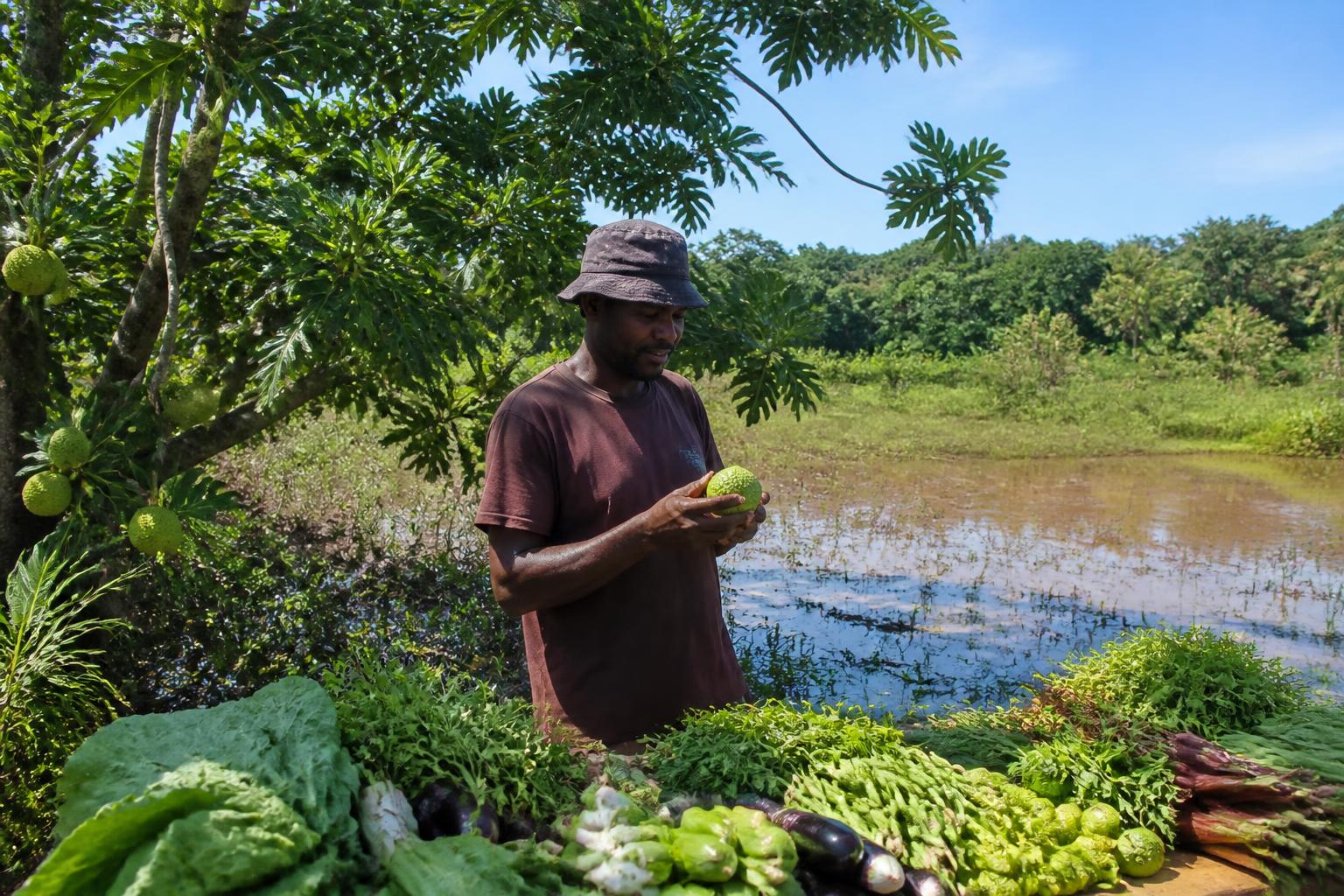
The changing mix of crops in Hawaii, from traditional macadamia nuts facing global price swings to a growing interest in breadfruit cultivation, requires a more strategic approach to crop nutrition. Because different crops have unique nutrient requirements, one-size-fits-all fertilizer applications are no longer viable.
Additionally, efforts toward overcoming import dependency in Hawaii's food systems have spurred interest in circular agricultural practices. Reutilizing local organic waste and combining it with highly concentrated organic commercial imports helps build long-term soil resilience. Simultaneously, strengthening biosecurity protocols during the importation of organic amendments remains paramount to prevent the introduction of invasive species or plant pathogens. Strategic moves in local supply chain investments are critical for verifying the safety and quality of these incoming soil health products.
Key Takeaways
- Severe flooding across Hawaii has accelerated nutrient leaching, making slow-release and organic fertilizers essential for soil restoration.
- High shipping costs and tariff uncertainties highlight the vulnerability of relying solely on imported synthetic fertilizers.
- Integrating local organic waste with targeted imported amendments can help growers buffer against supply chain volatility.
What it means for the market
For agricultural input suppliers and Hawaii farmers, the market demands a shift toward durable, leach-resistant nutrient sources. Suppliers who can offer cost-effective, biosecure organic fertilizers with reliable ocean shipping schedules will find strong demand as local growers prioritize soil recovery and long-term crop resilience in a volatile climate.
Comments
No comments yet - be the first to share your take.