
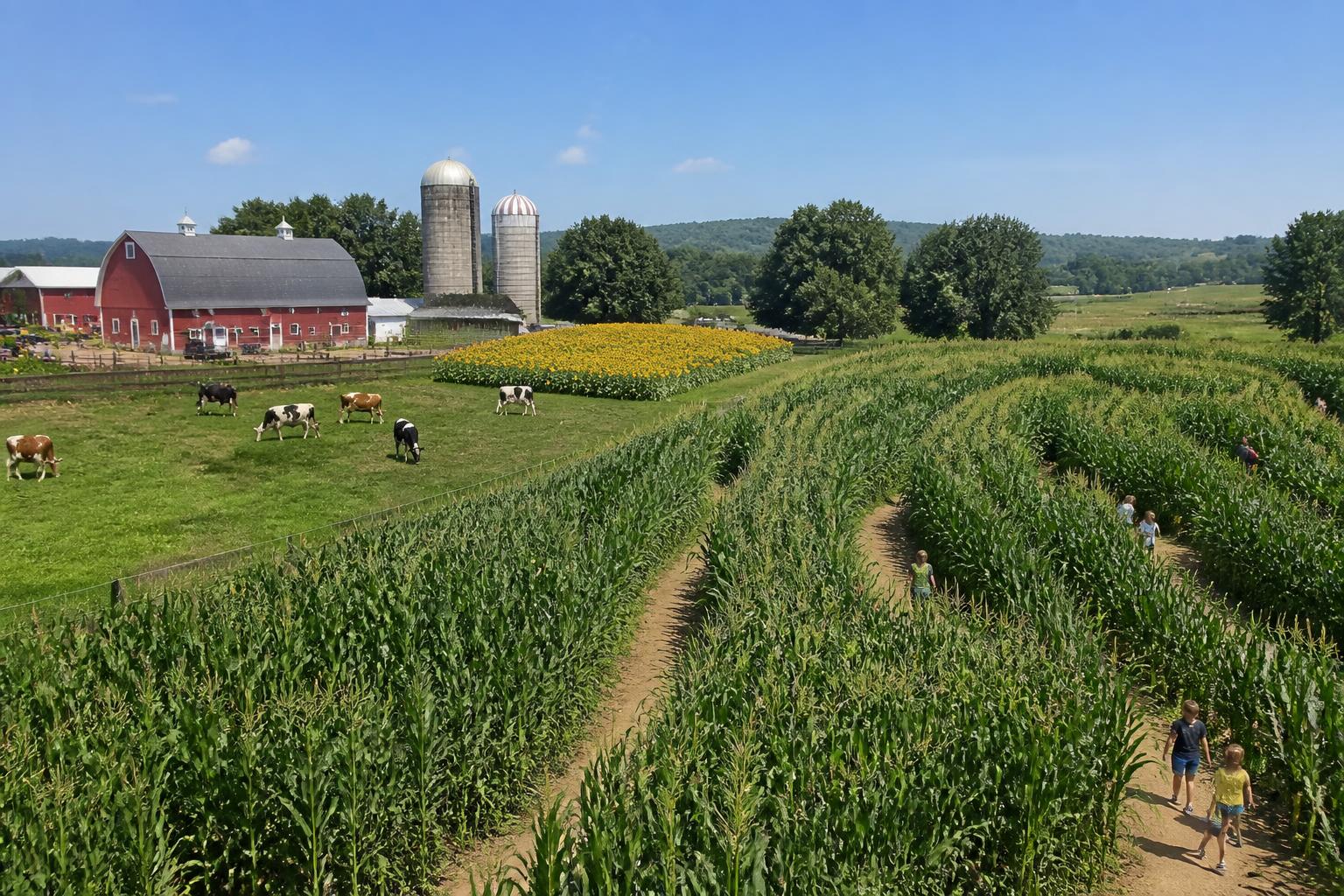
As summer settles over New Hampshire, agricultural producers are facing a complex mix of escalating operational costs and shifting local dynamics. With national projections pointing toward tight margins and high production costs over the next several seasons, grain and feed distributors, dairy operators, and livestock producers across the state are actively adjusting their management strategies. From the Connecticut River Valley to the Merrimack Valley, local operations are adopting innovative crops and diversified revenue streams to remain resilient.
To counter volatile market forces, New Hampshire growers are increasingly participating in collaborative marketing networks and localized supply chains. Initiatives like NH Eats Local Month highlight the growing consumer demand for regional products, while local food hubs are providing critical infrastructure to aggregate and distribute commodities, helping small and mid-sized farms capture higher margins.
Managing High Input Costs and Feed Strategies
With global supply chains still experiencing disruptions - including export restrictions on key fertilizers from major suppliers like China - crop nutrition and soil management have become increasingly expensive. According to recent USDA reports, farm production expenses are anticipated to hit record highs in the coming years. This has forced dairy and livestock producers to scrutinize their feed costs and forage programs.
To mitigate these pressures, some growers are turning to resilient, heat-tolerant forage alternatives. Sorghum-sudangrass is gaining traction as a summer forage option because of its ability to thrive during hot, dry spells and withstand heavy grazing. This allows farmers to maintain feed quality when traditional pastures slow down. At the same time, finding competitive New Hampshire grain and feed rates remains a top priority for livestock operations trying to balance herd nutrition with tightening margins.
Diversification and Environmental Stewardship
In addition to adjusting agronomic practices, Granite State farmers are diversifying their businesses to generate steady cash flow. For instance, some local dairy farms have expanded into maple syrup production, utilizing the sweet crop to buffer fluctuating milk and feed prices. Agritourism is also providing a valuable economic cushion; in towns like Pittsfield, local farms are drawing summer and fall crowds with attractions like corn mazes, turning active cropland into community destinations.
However, modern farming in the state also brings complex environmental challenges. New Hampshire agricultural communities are currently navigating difficult discussions regarding the historical use of biosolid sludge. While sludge has traditionally served as an affordable fertilizer, growing concerns over PFAS contamination have raised health and liability questions, leaving farmers and regulators searching for safe, sustainable waste-management alternatives that do not compromise soil health.
Processing Deregulation and Localized Supply Chains
To support livestock producers, state lawmakers have been exploring legislative avenues to ease regulations on local meat processing. Proponents of these measures argue that reducing bureaucratic hurdles will allow local custom slaughterhouses to expand, offering farmers more timely processing options and reducing transit costs. However, the push for deregulation continues to prompt debate over maintaining rigorous food safety standards and avoiding liability issues.
By relying more heavily on regional food hubs, producers are able to bypass national bottlenecked distribution channels. These hubs help aggregate grain, feed, and fresh produce, ensuring that more revenue stays within the local agricultural economy while providing buyers with a steady, traceable supply of regional commodities.
What It Means for the Market
For New Hampshire grain buyers, livestock producers, and input suppliers, the current economic climate demands flexibility. High production costs and supply chain uncertainties mean that relying solely on traditional management models is increasingly risky. The adoption of resilient summer crops like sorghum-sudangrass, the integration of agritourism, and the expansion of local food hubs represent a structural shift toward self-reliance. Agribusinesses that align their services with these local diversification trends and sustainable practices will be best positioned to navigate the volatile summer market and beyond.
Comments
No comments yet - be the first to share your take.