
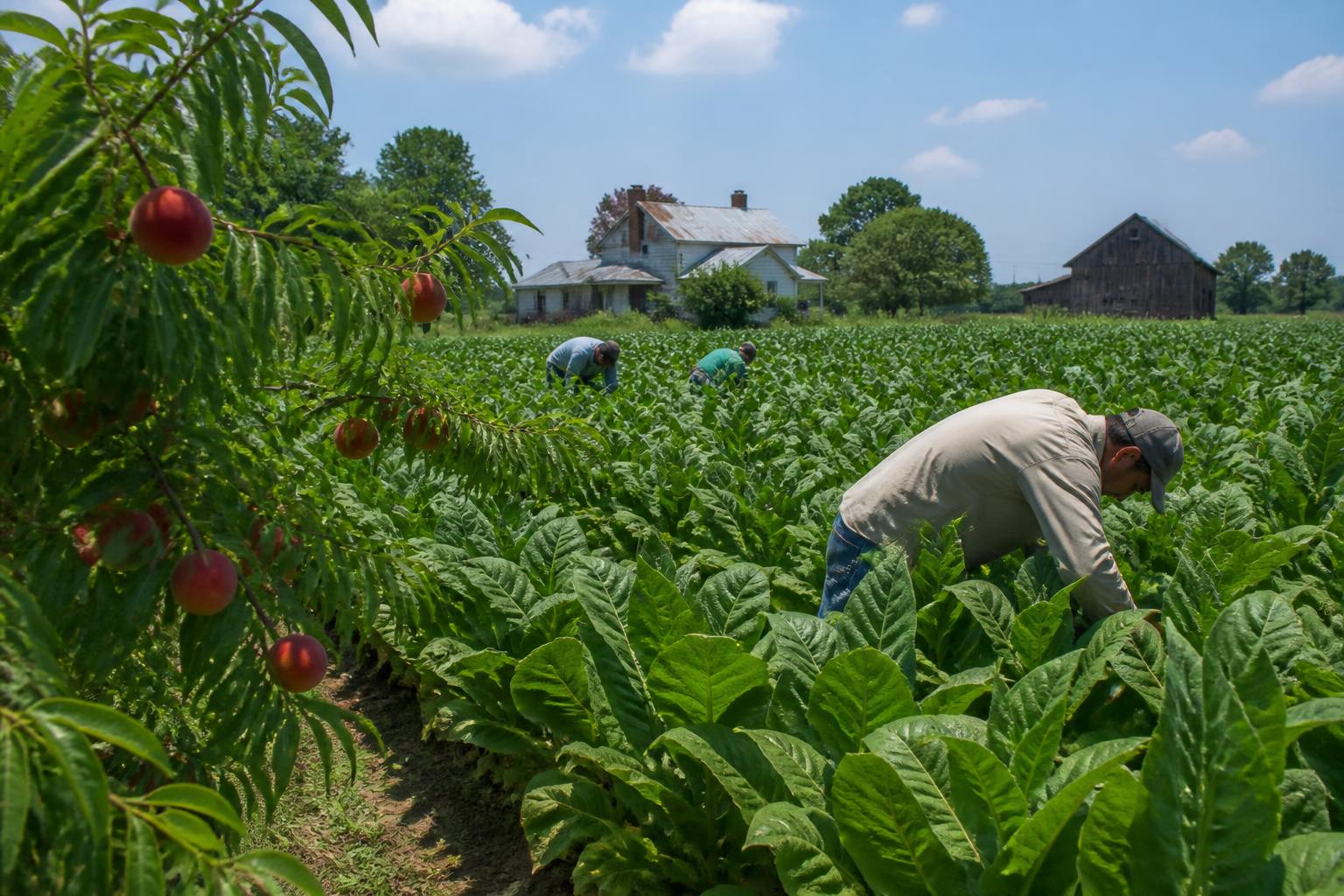
South Carolina's summer harvest is in full swing, bringing a surge of agricultural logistics traffic to the state's highways and rural roads. From the peach orchards of the Upstate to the row crop fields of the Pee Dee region, local growers and carriers are actively moving goods to distribution centers and coastal shipping points. Managing this seasonal peak requires precise coordination between on-farm loading and commercial road transport.
Navigating Summer Freight Routes and Capacity
Getting highly perishable products like South Carolina peaches - often celebrated for their flavor profile - from orchard to retail requires rapid, temperature-controlled transport. Freight coordinators are carefully managing local truck capacity along major arterials like Interstate 26 and Interstate 95. Haulers must balance tight delivery windows with summer heat, making vehicle maintenance and cooling systems critical. Many operators are looking closely at managing summer hauling capacity and port logistics to ensure shipments arrive at their destinations without delay.
Infrastructure Resilience and Support Resources
In addition to routine seasonal shipping, agricultural haulers and foresters must navigate infrastructure challenges. To assist with recovery and logistical coordination, South Carolina has launched Farm and Forest Recovery Resource Days. These events help operators access resources to repair farm-to-market pathways and manage transport disruptions caused by past weather events.
At the same time, regional water management remains a focus for long-term logistics. With leadership transitions at Clemson University's Water Resources Center and ongoing academic research into historic flooding patterns, state experts are working to protect rural bridge networks and shipping corridors from future washouts. Keeping local water regulations and infrastructure sound is a high priority for preserving reliable transport routes.
Policy Transitions and Regulatory Impacts
The broader South Carolina agricultural landscape is also preparing for leadership transitions, highlighted by political campaigns such as the GOP runoff for Commissioner of Agriculture. Meanwhile, regulatory challenges regarding land use and water safety, including multi-state Waters of the United States (WOTUS) developments, keep compliance high on the agenda for regional operations.
For logistics providers, staying aligned with both regional transport regulations and broader environmental policies is essential to maintaining a seamless flow of goods to the Port of Charleston. Understanding how these factors overlap is key when examining how maritime success meets farm-level market pressures in the region.
What it means for the market
For South Carolina agribusinesses and carriers, the summer transport season demands high flexibility. Success will depend on leveraging localized recovery resources to maintain rural roads, securing reliable refrigerated freight capacity, and keeping a close eye on regulatory shifts that impact both regional water infrastructure and interstate hauling lanes.
Comments
No comments yet - be the first to share your take.