
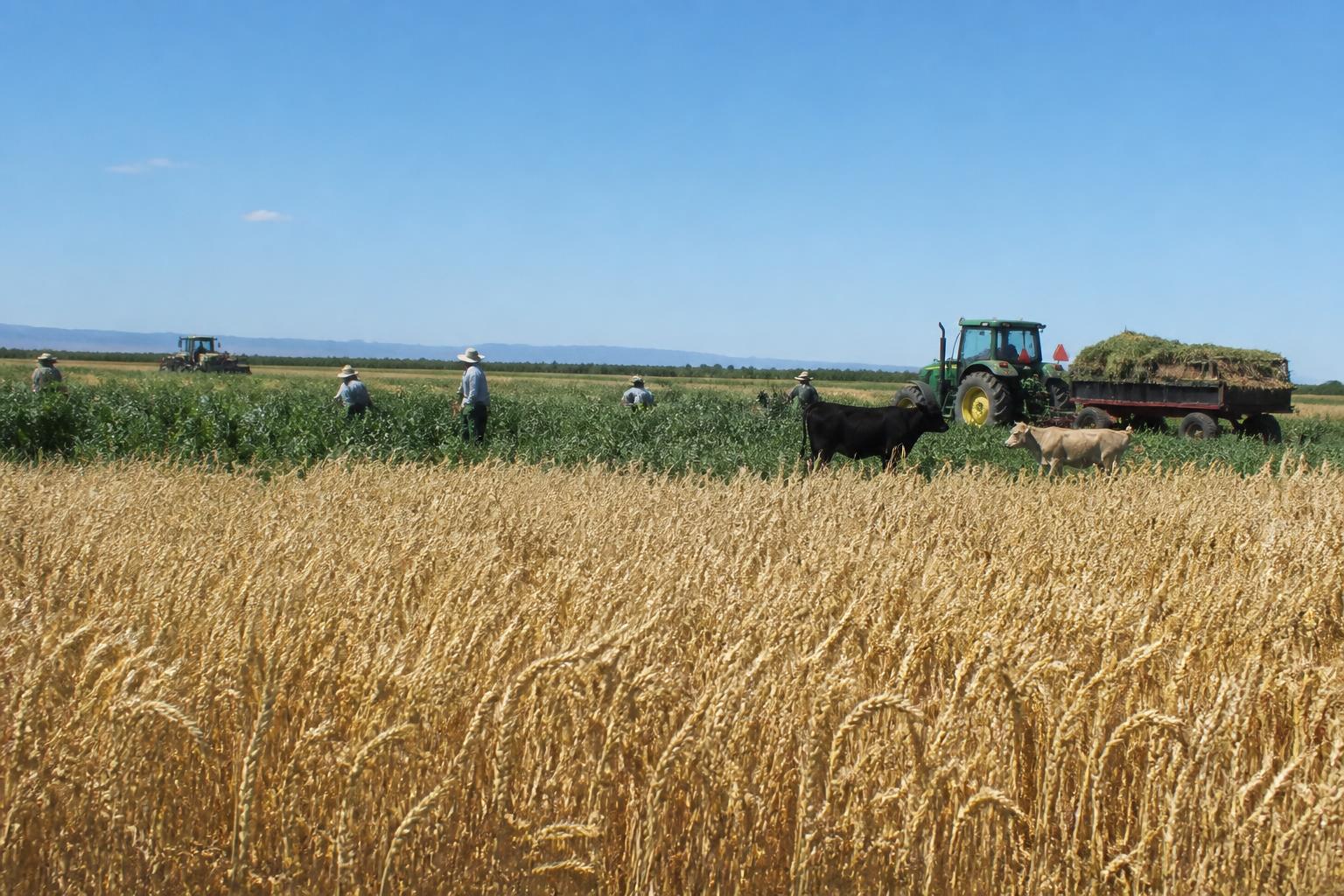
As summer temperatures peak across Nevada, high-desert grain growers are actively seeking ways to balance limited water resources with volatile crop markets. Global supply chain disruptions continue to pressure feed and grain logistics. In response, local producers are exploring alternative, drought-tolerant crops and strategic input management to secure their operations.
With support from institutions like the University of Nevada, agricultural communities are shifting focus toward long-term sustainability and regional food security. Navigating these changes requires a solid understanding of changing crop varieties and the local supply chain.
Sorghum and Rye: Diversifying High-Desert Grain Production
Water availability remains the primary challenge for Nevada crop producers during the hot summer months. Recently, agricultural experts and local growers have discussed sorghum as a highly viable, low-water alternative crop for Nevada. Because sorghum requires significantly less moisture than traditional hay or forage crops, it offers a practical option for keeping fields productive when water allocations are tight.
At the same time, specialized niche markets are gaining traction. The demand for alternative grains like rye is growing, particularly to supply regional distilling markets. Diversifying into these crops allows farmers to optimize water use while tapping into higher-value contracts. For those looking to buy or sell these emerging crops, checking current listings for grain buyers, sellers and prices in Nevada can help identify local marketing opportunities.
Navigating Input Costs and Global Market Pressures
High production costs continue to squeeze farm margins across the West. To help farmers cope with elevated expenses, the USDA has rolled out plans to tackle high fertilizer costs. This federal push aligns with regional efforts to secure more reliable, domestic input sources amid ongoing international trade friction.
In Nevada, this pressure has accelerated interest in local soil amendments and alternative fertility programs. Transitioning to domestic inputs can help cushion growers from sudden price spikes. To explore how regional suppliers are adapting, producers can read about Nevada's Organic Phosphate Developments Drive Shift Toward Domestic Fertilizer Supply to understand how local resources are filling supply gaps.
Additionally, keeping crops and livestock secure from extreme summer heat is vital for maintaining overall farm efficiency. Implementing timely management practices, such as those detailed in Nevada Agricultural Protection: Securing Livestock and Crops in the High-Desert Summer, ensures that water conservation measures do not compromise crop health or animal welfare.
Key Takeaways for Nevada Growers
- Consider Low-Water Alternatives: Sorghum is proving to be a resilient option for high-desert summer conditions where water is restricted.
- Explore Niche Grain Markets: Rye and other specialty grains are finding new demand in regional food and beverage supply chains.
- Monitor Input Alternatives: Federal initiatives and domestic fertilizer developments may offer relief from highly volatile global chemical markets.
What it means for the market
The Nevada grain and feed market is undergoing a structural shift toward climate resilience and localized supply chains. While global geopolitical tensions continue to disrupt traditional commodity flows, Nevada farmers who adapt by adopting drought-tolerant crops like sorghum and sourcing domestic inputs will be better positioned to maintain steady margins. For local elevators, feedlots, and grain handlers, this transition represents a critical opportunity to secure reliable regional feedstocks despite summer water limitations.
Comments
No comments yet - be the first to share your take.