
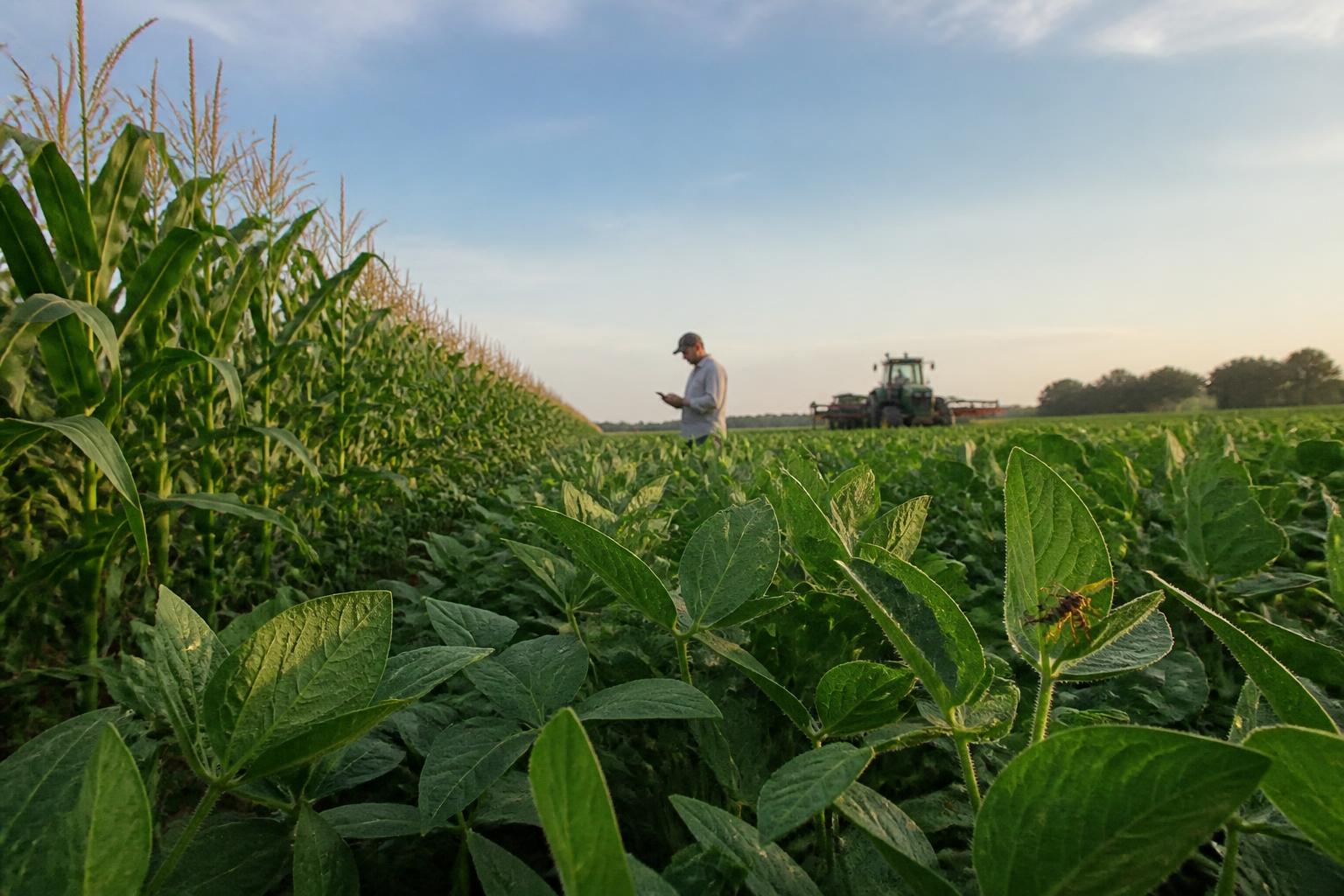
As the mid-summer heat settles over Georgia, the state's agricultural transportation network is navigating a complex dual reality. Agribusinesses, fleet operators, and growers are experiencing a major wave of logistics modernization, highlighted by state-of-the-art cold chain openings. At the same time, severe local bottlenecks persist as rural corridors in South Georgia continue their slow recovery from past weather events.
For Georgia's agricultural shippers, managing freight during the peak summer hauling season requires balancing these high-tech supply chain upgrades against lingering roadway repairs and rural capacity shortages. Navigating this landscape successfully demands careful route planning and early capacity sourcing.
New Cold Chain Capacity Reshapes Georgia Freight
The most significant boost to regional agricultural transport is the expansion of specialized temperature-controlled facilities. The opening of CJ Logistics' new cold chain logistics center in Georgia represents a major step forward for the state's cold chain capacity. This facility helps streamline the flow of protein, poultry, and temperature-sensitive specialty crops from Georgia's production zones to domestic markets and international ports.
This major expansion aligns with broader trends in the state, where Georgia cold chain and processing expansions are fundamentally reshaping regional logistics. By providing advanced storage and faster cross-docking capabilities, these new hubs reduce dwell times for refrigerated trucks (reefers) and help regional carriers optimize their fleet utilization during peak summer volumes.
Lingering Infrastructure Hurdles in South Georgia
Despite these high-tech supply chain advancements, daily transportation in southern Georgia counties remains a challenge. Months after Hurricane Helene swept through the region, local communities and farming operations are still waiting for comprehensive recovery assistance. Major agricultural corridors continue to cope with damaged rural roads, compromised bridges, and localized shipping delays.
This slower-than-expected recovery complicates the transport of early summer field crops and grain. Truckers must frequently navigate detours, which adds transit time and fuel costs. Farmers moving bulk goods are paying close attention to these regional bottlenecks, particularly as they plan movements for upcoming harvests. For a detailed breakdown of local crop logistics and shipping adjustments, growers can consult the Georgia summer grain and logistics shifts guide.
To address these long-term issues, rural advocates are eyeing the second round of state rural development grants. These funds are designed to help rural communities transform their transport infrastructure, rebuild damaged local roads, and improve access to critical agricultural markets.
Building the Next Generation of Logistics Workers
Addressing the driver and logistics coordinator shortage is also a priority for local agricultural communities. In Bulloch County, career and technical education (CTAE) programs are placing a spotlight on transportation, distribution, and logistics training. By preparing local students for careers in commercial trucking, fleet management, and supply chain logistics, these programs aim to secure a reliable, homegrown workforce to keep Georgia's agricultural freight moving.
Meanwhile, on the policy front, Georgia soybean farmers are urging state and federal leadership to avoid restrictive trade policies and retaliatory tariffs. Growers rely heavily on smooth, unimpeded access to global markets via the Port of Savannah, making reliable truck-to-port logistics vital to their bottom lines.
What it means for the market
For Georgia agricultural shippers and carriers, the logistics market is split. Reefer capacity is expected to remain highly efficient near major metropolitan hubs and new cold chain facilities, offering quicker turnarounds for poultry and cold-storage products. However, flatbed and bulk transport in South Georgia will likely require extra lead time and higher freight budgets due to detours and ongoing secondary road repairs. Shippers should secure capacity early, establish alternative hauling routes, and support local workforce training initiatives to insulate their operations from ongoing regional driver shortages.
Comments
No comments yet - be the first to share your take.