
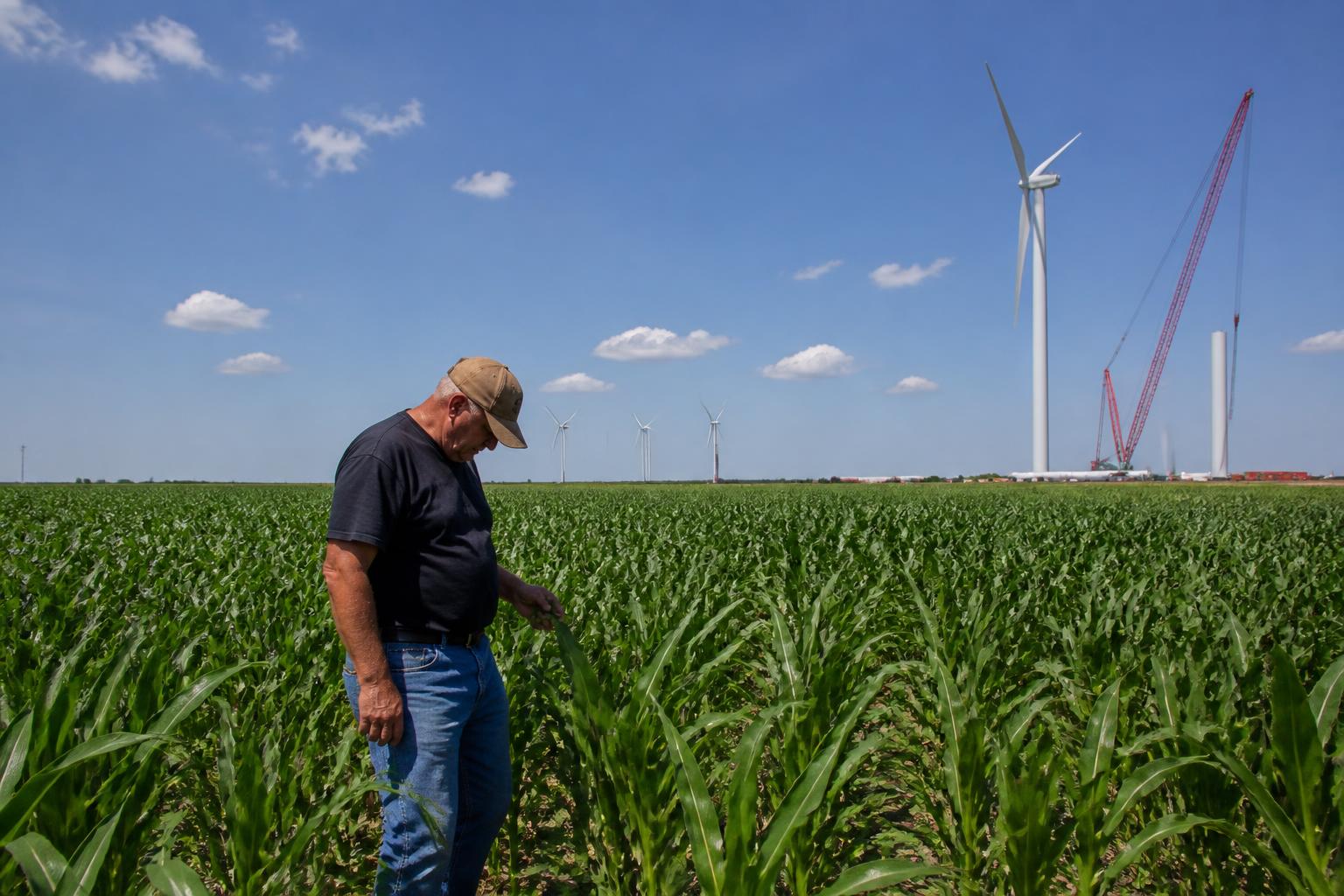
Rhode Island's grain and livestock feed sectors are navigating a unique set of regional dynamics this summer. With land access constraints and a push toward regional food self-reliance, local growers and feed buyers are adapting their supply chain strategies. As New England evaluates its overall capacity to produce more of its own food, small-scale grain logistics and state-level support programs are taking center stage.
Navigating Land Access and Specialty Grain Production
Land availability remains one of the most significant hurdles for expanding grain production in Rhode Island. Many local growers do not own the land they cultivate, instead relying on lease agreements and collaborative work arrangements to keep fields active. This lack of direct ownership can influence long-term investments in grain infrastructure, such as on-site storage bins or specialized drying equipment.
Despite these challenges, a dedicated network of producers continues to supply regional livestock operations. For those looking to source feed or specialty crops within the state, exploring options to buy grain in Rhode Island is becoming an increasingly popular way to bypass traditional national supply chain disruptions and support the local agricultural economy.
Regional Self-Reliance and Funding Support
The conversation around agricultural resilience in the Northeast has been bolstered by a recent regional report examining New England's ability to supply food for the region. This study highlights the need to build robust, localized supply chains to feed both the human population and the livestock that support regional dairy and meat production.
To help local farmers meet these challenges, state-level initiatives such as the Local Agriculture and Seafood Act (LASA) grants have opened up new funding opportunities. These grants can assist small-scale grain handlers, livestock producers, and food entrepreneurs in upgrading their distribution and processing capabilities. Staying informed on Rhode Island grain and feed market trends is essential for operations looking to align their summer production with these broader state and regional goals.
Logistics and the Northeast Feed Network
Because Rhode Island lacks the massive grain elevators found in the Midwest, its grain market is highly dependent on interstate highway corridors and regional rail networks to bring in supplemental feed. Local dairy farms and diverse livestock operations must carefully coordinate their summer feed deliveries to avoid seasonal bottlenecks. High-value grain shipments and specialty feeds typically arrive in smaller, more frequent truckloads, making local logistics planning a critical factor in maintaining farm profitability.
What it means for the market
For Rhode Island agribusinesses, grain prices and feed availability will remain closely tied to regional New England supply networks and state-funded development programs like LASA. Buyers and sellers should focus on establishing flexible feed contracts early in the season and utilizing local grant programs to offset rising transport and operational costs. Navigating these regional logistics efficiently will be key to maintaining steady margins through the rest of the summer.
Comments
No comments yet - be the first to share your take.