
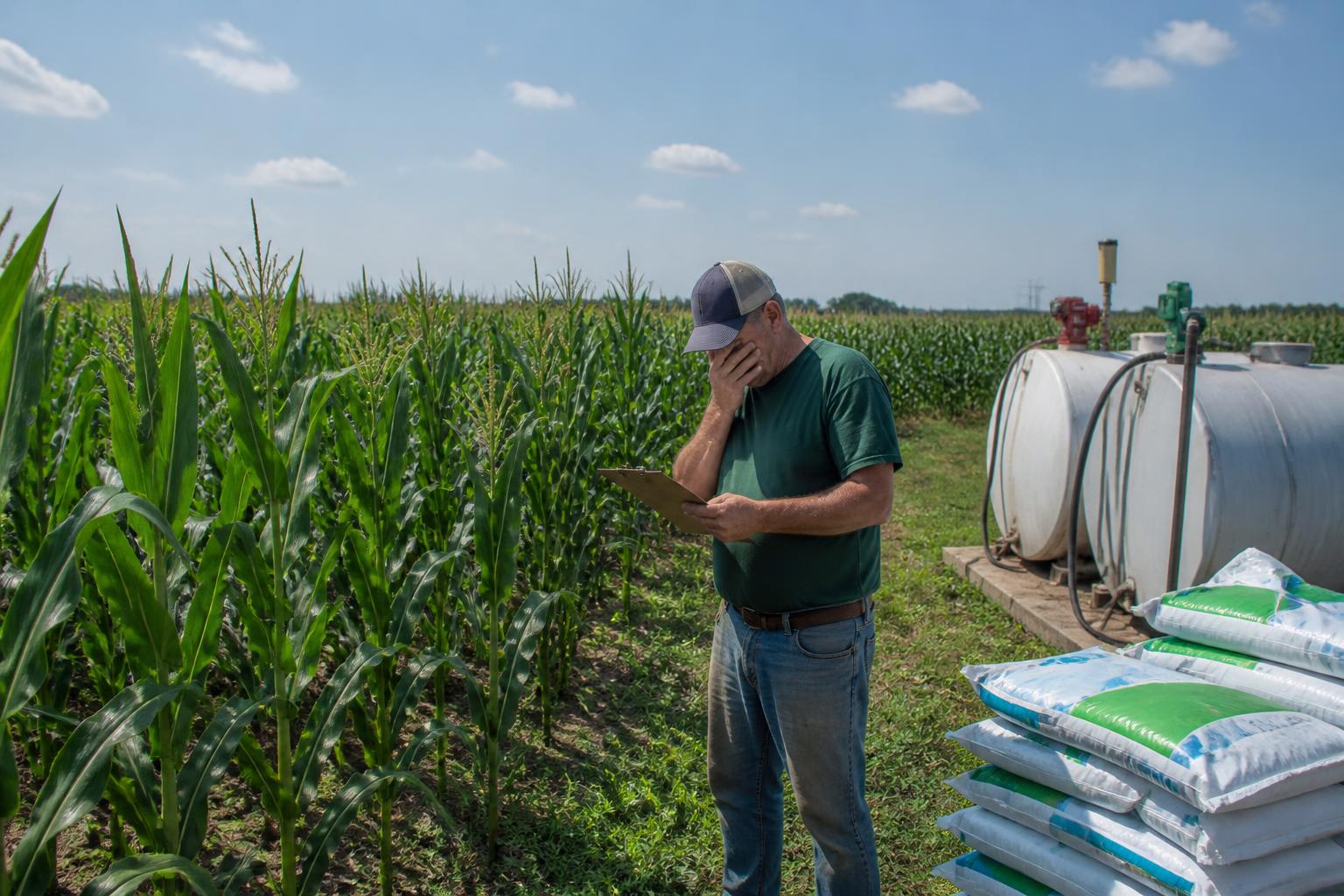
As Illinois ag operators head deeper into the summer heat, managing logistics has become a critical balancing act. Farm businesses across the state are grappling with high operating costs, particularly for fuel and fertilizer, which continue to squeeze margins. With farm bankruptcies rising for a third consecutive year in Illinois, agricultural transport and supply chain management are under intense scrutiny as producers seek out every available efficiency.
For grain haulers, elevators, and distributors, navigating the summer shipping season requires close coordination. Rising overhead costs mean that inefficient routes or prolonged transport delays can quickly turn a tight crop margin into a net loss. Shippers are looking for ways to streamline regional movement, from local county roads to key river terminals.
Fuel Costs and Supply Chain Bottlenecks
Managing the physical movement of crops across Illinois relies on a steady, cost-effective supply chain. However, resolving persistent transportation bottlenecks remains a delicate balancing act for logistics companies and grain elevators alike. High fuel prices have added significant pressure to over-the-road freight rates, forcing many operators to rethink their seasonal shipping patterns.
To combat these volatile logistics expenses, many regional managers are focusing on navigating fuel costs and storage technology to optimize operations. Securing fuel contracts early or utilizing on-farm storage can help mitigate the immediate impact of price spikes during high-demand summer periods. Many operations are also juggling conservation plans and tightening summer budgets as they look to cut variable costs where possible.
Economic Strain and the Equipment Maintenance Challenge
The financial challenges currently facing Illinois growers are substantial. Pessimism regarding corn and soybean returns has intensified, reinforcing the need to control all controllable expenses. Maintenance and logistics fleet upkeep represent a major portion of this operational overhead.
Adding to the frustration of fleet maintenance is the ongoing struggle for "Right to Repair" access. Despite years of advocacy from farmers, the initiative has struggled to gain traction in John Deere's home state of Illinois. Without the ability to easily perform self-repairs on specialized transport and field machinery, growers often face higher dealership repair bills and costly equipment downtime during critical shipping windows.
Furthermore, broader transport networks are feeling the strain of domestic and global trade shifts. To keep products moving efficiently despite these headwinds, stakeholders are trying to balance immediate shipping demands with long-term infrastructure limits, often confronting major logistical headwinds along regional rail lines and river ports.
Key Takeaways for Illinois Operators
- Fuel and Input Squeeze: Persistent fuel and fertilizer costs remain major drivers of the current farm margin crisis in Illinois.
- Fleet Maintenance Costs: High dealership repair costs and limited traction on Right to Repair legislation keep transportation equipment overhead elevated.
- Strategic Diversification: Amid tight margins for primary row crops, Illinois has recently adopted its first wheat checkoff, signaling potential shifts in regional cropping and transport strategies.
What it means for the market
For the Illinois agricultural market, the summer of 2026 demands highly disciplined logistics planning. With margins razor-thin and bankruptcy figures underscoring the severity of the financial climate, every mile and every minute of transport must be optimized. Elevators, carriers, and producers who utilize localized storage and coordinate closely on shipping schedules will be best positioned to weather the current economic downturn.
Comments
No comments yet - be the first to share your take.