
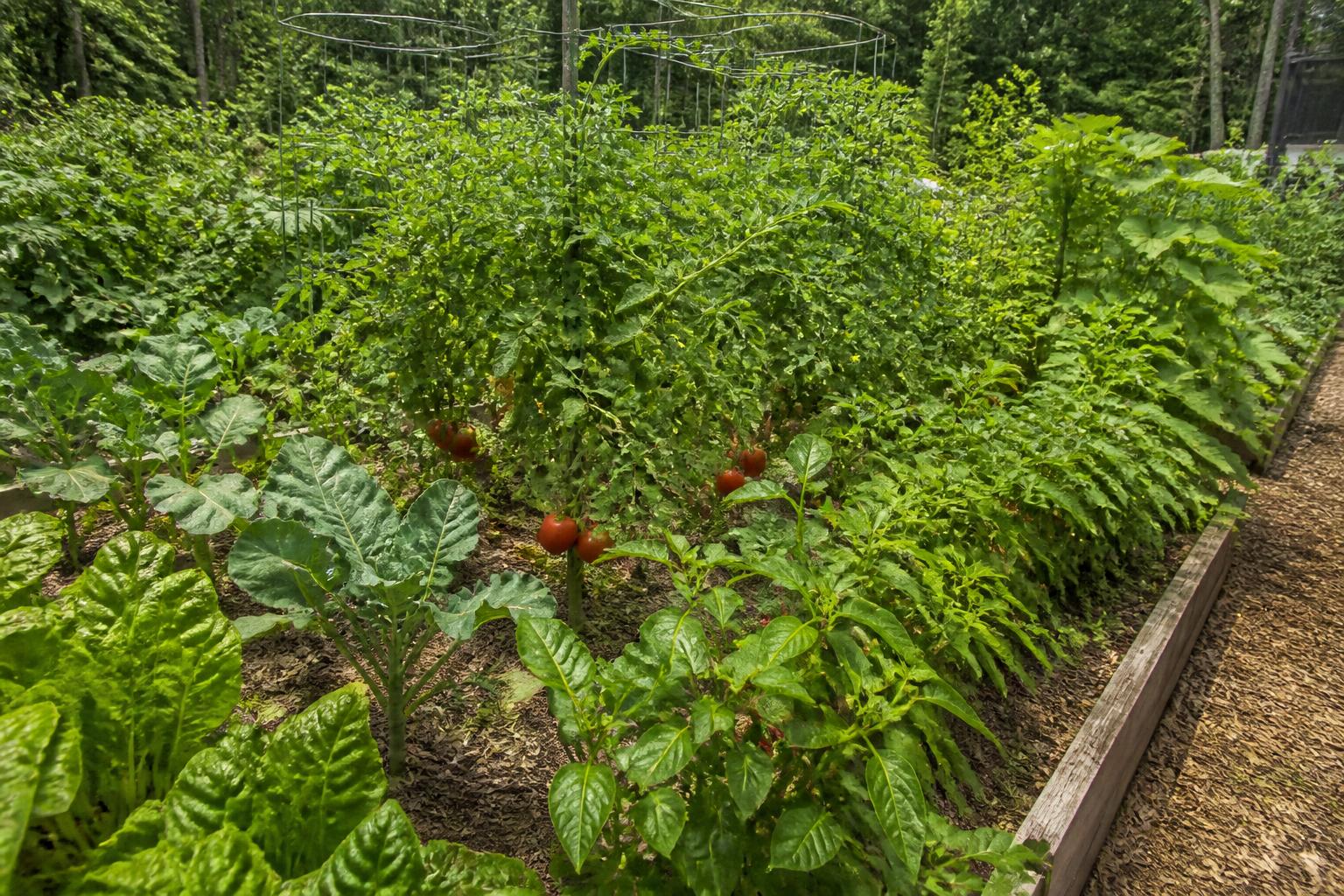
With the arrival of mid-summer heat and humidity, Kentucky vegetable growers are facing critical windows for crop protection. High humidity and seasonal rainfall can create ideal conditions for fungal and bacterial pathogens to take hold in fresh produce fields across the Commonwealth. To protect yields and maintain the quality required by local markets and produce auctions, timely disease identification and intervention are essential.
To support operations during this busy season, many producers and home growers are leveraging digital tools. The University of Kentucky Cooperative Extension has expanded its reach through virtual education programs, delivering critical agricultural advice and management strategies directly to stakeholders. This blend of virtual outreach and practical field management is helping Kentucky's specialty crop sector navigate summer production challenges.
Proactive Management for Kentucky Vegetable Diseases
Summer conditions in Kentucky often accelerate the spread of common vegetable diseases, which can rapidly diminish marketable yields if left unchecked. Pathogens such as powdery mildew, downy mildew, early blight, and bacterial spot frequently pressure crops like tomatoes, cucurbits, and peppers during the July heat. Managing these threats effectively requires a multi-faceted approach.
Extension specialists emphasize several practical cultural practices to minimize disease pressure:
- Scouting and early detection: Regularly inspecting fields and gardens allows growers to catch early signs of infection before pathogens spread widely.
- Moisture management: Utilizing drip irrigation instead of overhead watering helps keep foliage dry, reducing the damp microclimates that fungi and bacteria prefer.
- Sanitation and crop rotation: Removing infected plant debris and rotating crop families year-to-year prevents pathogens from overwintering and building up in the soil.
As growers implement broader Kentucky crop protection strategies to shield their acreage, specialized attention to vegetable crops remains vital to securing high-value local harvests.
The Role of Virtual Extension in Regional Agriculture
As farm logistics and busy summer schedules make in-person attendance difficult, virtual education has become a valuable asset for Kentucky's agricultural community. The University of Kentucky Cooperative Extension Service has successfully brought educational programming into local homes and offices through online webinars, virtual workshops, and digital diagnostic resources.
This virtual delivery model allows growers from any county to access university research, ask real-time questions, and receive timely updates on pest and disease movements across the region. By lowering the barriers to expert advice, digital extension services help growers make rapid, informed decisions that can prevent localized crop losses.
What it means for the market
For Kentucky's fresh produce markets, CSAs, and local grocery suppliers, effective disease management translates directly into volume stability and consistent quality. When vegetable growers utilize virtual extension insights to preemptively manage disease, it reduces the volatility of local supply chains. Buyers can expect steadier volumes of summer staples like tomatoes, squash, and sweet corn, while growers benefit from optimized input costs and protected profit margins during peak sales periods.
Comments
No comments yet - be the first to share your take.