
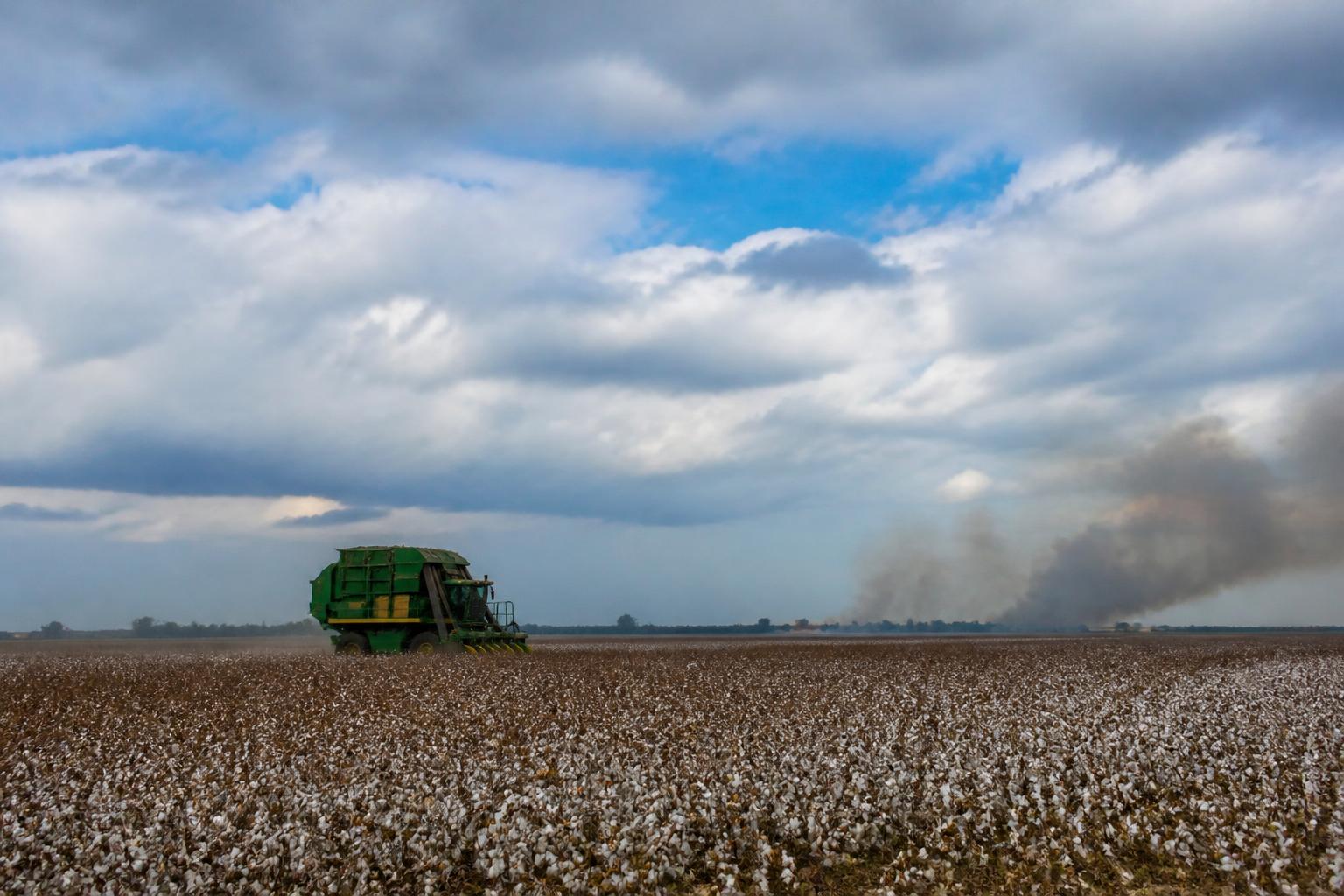
Oklahoma's agricultural sector is navigating a period of adjustment this fall, defined by a mix of recent government financial support and persistent operational headwinds. With the USDA recently injecting approximately $307 million into the state’s economy via safety net and conservation program payments, many producers are finding a measure of fiscal stability to offset ongoing volatility in grain markets and input costs.
However, the financial infusion comes at a time when producers must remain vigilant about environmental and regulatory exposure. While some regions continue to recover from heavy moisture patterns, concerns regarding land management and fire risks remain top of mind, especially given the broad scale of recent acreage losses across the Central Plains. For those looking to fortify their operations, prioritizing water and land resiliency is increasingly viewed as a necessary component of long-term risk mitigation.
Regulatory and Legal Hurdles
Beyond weather and markets, the legal landscape for Oklahoma farmers is becoming more complex. The state's ongoing debate surrounding Right to Farm protections is attracting significant attention, as producers seek to maintain operational independence amidst evolving public and legislative scrutiny. This uncertainty makes it more critical than ever for agribusinesses and individual operations to proactively navigate protection strategies to safeguard their tenure and land use rights.
Simultaneously, the industry is grappling with external cost pressures, particularly regarding the fertilizer supply chain. Concerns over pipeline accessibility and global logistics continue to influence local pricing, directly impacting margins for the upcoming season. As producers evaluate their inputs, many are also exploring innovative solutions, such as research into fungal applications for soil health, which may offer future pathways to reduce dependency on traditional synthetic amendments.
What it means for the market
For Oklahoma farmers and grain handlers, the current environment demands a defensive yet adaptable stance. While the recent influx of USDA capital provides a critical buffer, the combination of regulatory challenges and environmental volatility suggests that operational margins will remain tight. Focusing on diversified risk management—ranging from land conservation efforts to staying informed on labor safety regulations—is essential for sustaining productivity as the industry moves through the remainder of the fall season. By closely monitoring both the legislative developments and local supply chain signals, businesses can better position themselves to absorb unexpected shocks.
Comments
No comments yet - be the first to share your take.