
Adapting to Variable Crop Pressures
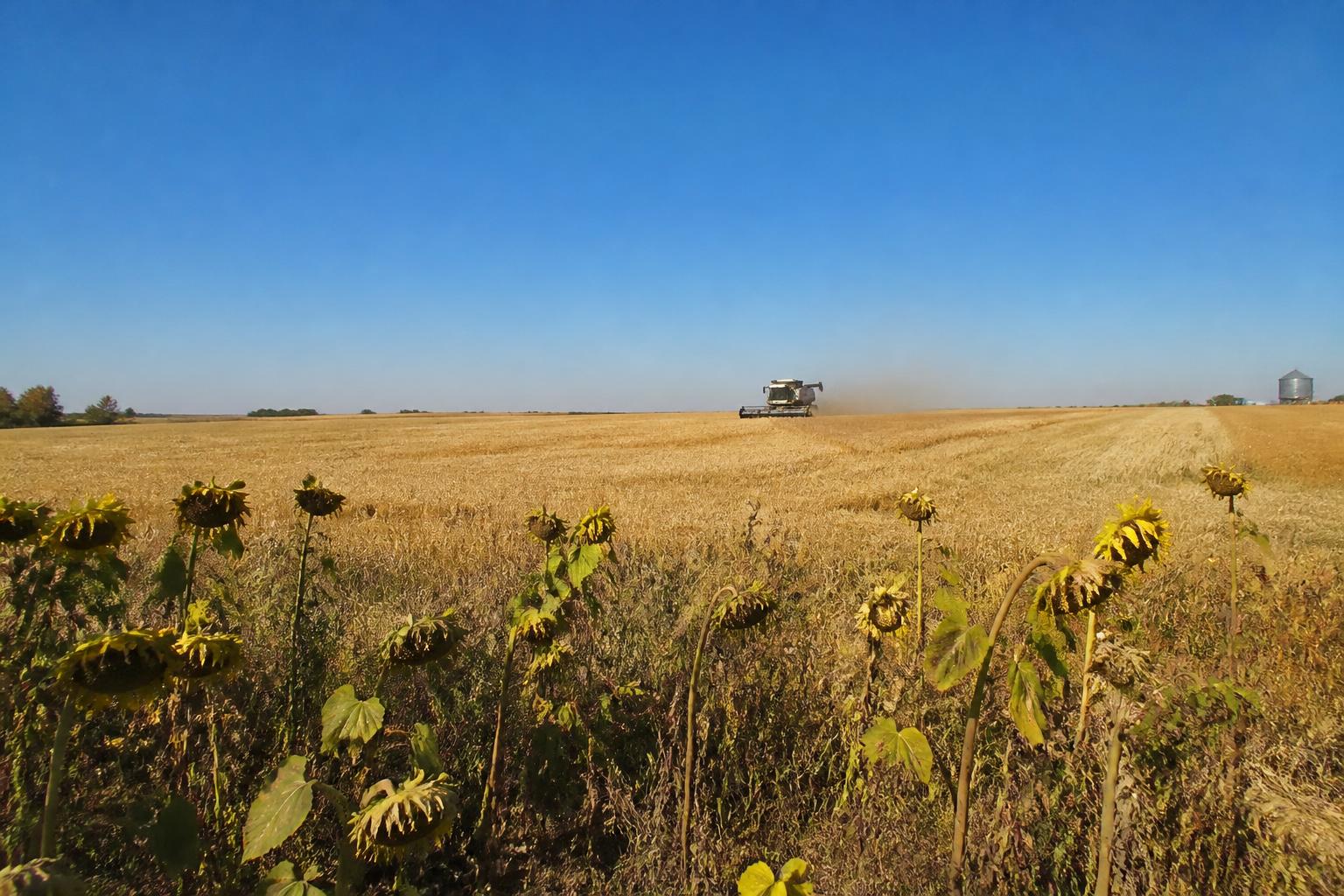
As the North Dakota harvest season progresses, producers are balancing the final stages of fieldwork with ongoing crop protection challenges. While late-season weather can often influence field conditions, managing local threats—such as blackbird damage in sunflower crops—remains a critical priority for maintaining quality yields. Effective management of these pests often requires a mix of preventative strategies, ensuring that fields are monitored closely as the crop nears its final maturation point.
Navigating Market and Environmental Uncertainty
Environmental variables, including fluctuating soil moisture levels in certain Northern Plains regions, are influencing how farmers approach their grain storage and sales strategies. In many areas, concern over regional drought conditions has led to a more cautious approach, with some producers choosing to slow crop sales in anticipation of future price adjustments or to better manage inventory levels during unpredictable seasons. Understanding how these factors impact your crop protection strategies and overall profitability is essential as we move into the final months of the year.
Logistics and Storage Considerations
Infrastructure and logistics remain a central theme for North Dakota agribusinesses. With harvest activity typically peaking across the state's major corridors, producers are encouraged to optimize their storage capacity and coordinate closely with local elevators to manage potential bottleneck issues. Efficiency during these final weeks of fall can help mitigate the risks associated with market volatility and ensure that inventory remains secure until local elevators or regional rail hubs can facilitate movement.
Key Takeaways
- Monitor sunflower fields closely for late-season blackbird pressure to protect yield quality.
- Exercise patience with grain marketing strategies if environmental factors or regional drought concerns persist.
- Streamline harvest-to-storage logistics to minimize potential transport delays.
What it means for the market: For North Dakota farmers and grain handlers, the combination of cautious selling and active pest management suggests a focus on preserving value in a tight-margin environment. By prioritizing storage efficiency and remaining vigilant against environmental threats, producers can better position themselves to navigate the complexities of the current agricultural landscape.
Comments
No comments yet - be the first to share your take.