
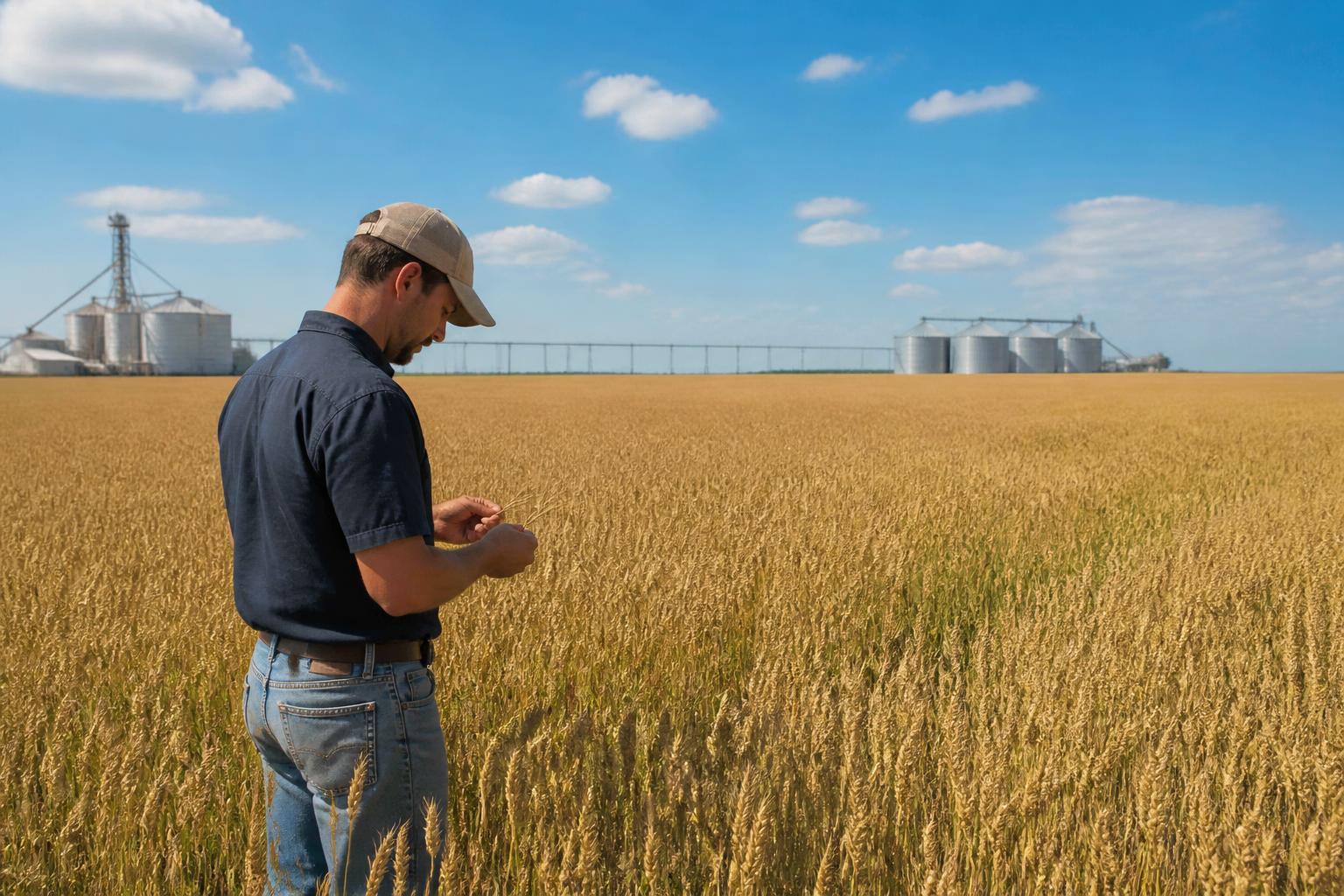
As summer field activities ramp up across Louisiana, grain producers and elevator operators are turning their focus toward risk management, both on and off the field. Recent financial distress in the agricultural supply chain, highlighted by the Hansen-Mueller bankruptcy, has underscored the vulnerability of outstanding grain contracts when a licensed dealer experiences insolvency. For growers in the Delta region, safeguarding physical grain and securing reliable payment structures are paramount as marketing decisions for the current crop year take shape.
In addition to financial counterparty risks, legislative and regulatory shifts regarding land use are altering the long-term planning horizon for Louisiana landowners. Efforts to secure stronger protections for private property owners against carbon dioxide sequestration pipelines are gaining traction, presenting new legal and logistical considerations for agricultural operations throughout the state.
Understanding Grain Dealer Insolvency and Contract Risks
When a grain dealer or elevator facing financial hardship enters bankruptcy, the legal fallout can leave local producers in a precarious position. Delayed-price contracts, forward contracts, and unpaid warehouse receipts can become entangled in complex legal proceedings. Typically, the resolution process depends on state-specific indemnity funds, licensing bonds, and the priority status of farmers under federal bankruptcy laws.
To mitigate these hazards, Louisiana grain producers are encouraged to monitor the financial health of their buyers and maintain meticulous records of all transactions. Diversifying marketing channels and understanding the legal protections associated with different contract types can prevent devastating losses. For those looking to manage these transactions carefully, reviewing local options via grain buyers, sellers and prices in Louisiana can provide valuable context on active regional players and market alternatives.
CO2 Pipeline Protections for Louisiana Landowners
Beyond the immediate concerns of grain marketing, Louisiana property owners are watching policy developments surrounding carbon dioxide sequestration pipelines. As carbon capture projects expand across the Gulf Coast, agricultural parishes have become key corridors for planned pipeline routes. Recent initiatives aim to provide private property owners with stronger legal protections, ensuring that eminent domain and easement negotiations do not unfairly compromise valuable crop acreage or disrupt field drainage systems.
Because pipeline construction can permanently impact soil productivity and field logistics, these property-right safeguards are critical for long-term farm viability. Growers are advised to consult legal experts and industry associations before signing long-term easement agreements, keeping a close eye on state-level regulatory decisions that govern pipeline routing and developer liabilities.
Summer Logistics and Gulf Export Dynamics
Louisiana's grain market remains uniquely tied to the Mississippi River infrastructure and Gulf export bids. During the mid-summer months, local logistics can face pressure from seasonal draft limits and weather-related disruptions along shipping channels. Ensuring smooth coordination between on-farm storage, local truck transport, and river terminals is vital to avoiding costly delays at the peak of the regional harvest.
Key Takeaways for Louisiana Growers
- Evaluate Counterparty Exposure: Review the creditworthiness of buyers and understand how different contract types are treated in the event of a dealer default.
- Monitor Land Rights Legislation: Keep abreast of shifting state protections regarding carbon dioxide pipeline easements to safeguard property values.
- Coordinate Summer Logistics: Stay in close communication with local shippers and port terminals to navigate potential summer river draft issues.
What it means for the market
The combination of operational risk, counterparty vulnerability, and evolving land-use policies means Louisiana grain market participants must prioritize business resilience over simple volume targets. While regional export demand at the Gulf remains a cornerstone of the local basis, securing contract terms and defending property rights will ultimately dictate the bottom-line success of Delta farms in the seasons ahead.
Comments
No comments yet - be the first to share your take.