
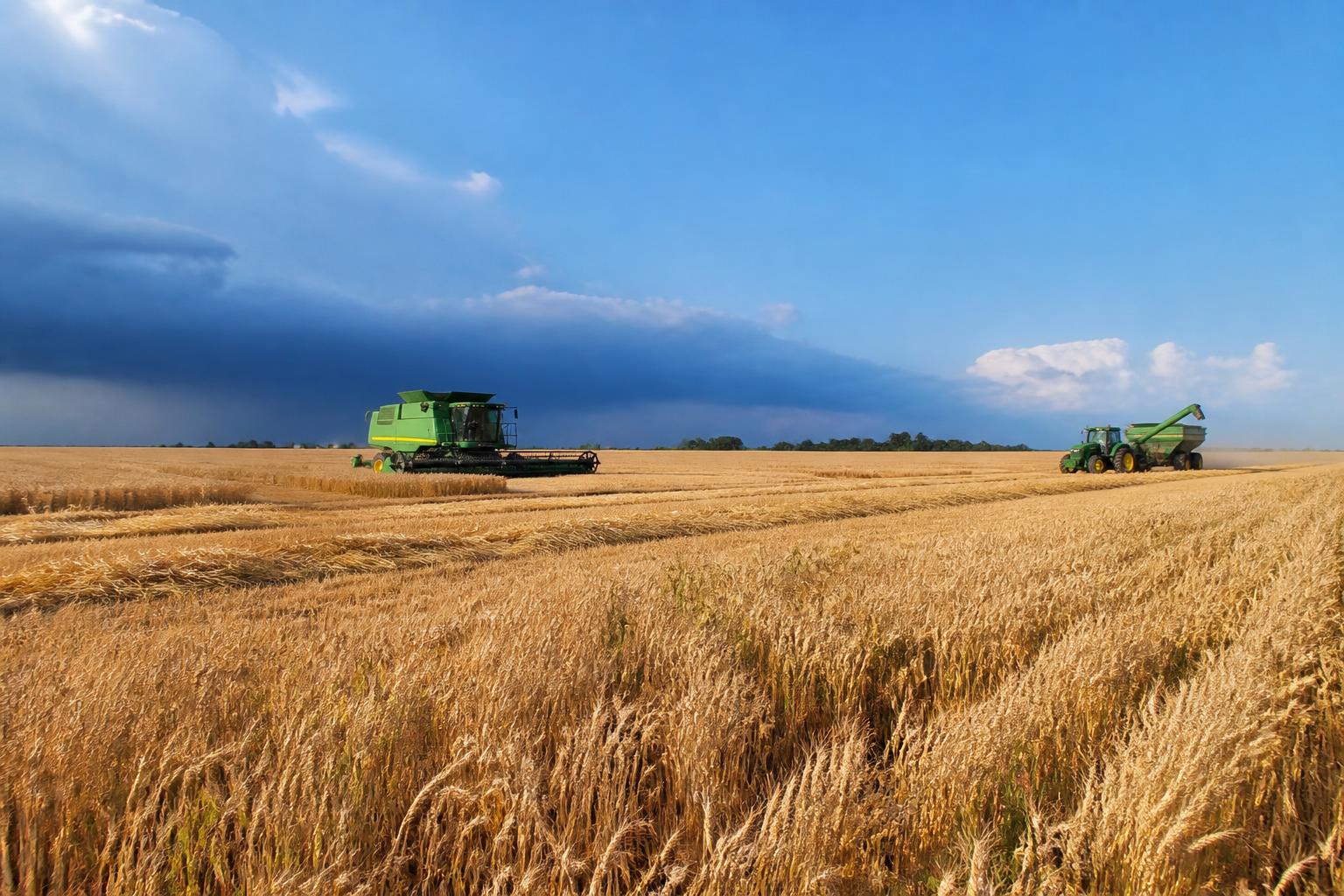
As mid-summer heat settles over Alabama, grain producers and elevator operators are facing a complex marketing landscape. While local field conditions remain a primary focus, macroeconomic pressures from overseas conflicts and energy market shifts are playing an increasingly direct role in domestic pricing. For Alabama growers, preparing for the upcoming harvest means balancing on-farm logistics with global commodity market changes.
From the Tennessee Valley down to the Gulf Coast, moving grain requires careful cost management. Recent global disruptions have highlighted how quickly international conflicts can alter the financial realities of farming in the Southeast, particularly regarding fuel, fertilizer, and transportation.
Global Energy Pressures and Local Logistics
A primary concern for agricultural operations this summer is the volatile global energy market. Escalating geopolitical tensions in the Middle East have driven up crude oil prices, a trend that directly translates to higher diesel and input costs for domestic producers. For grain handlers transporting corn, wheat, or soybeans along major transit corridors like Interstate 65 or preparing shipments for the Port of Mobile, these energy spikes can quickly erode profit margins.
With transportation costs rising, tracking local cash bids becomes essential. Farmers can monitor current logistics and market options by checking grain buyers and local elevator prices in Alabama. High fuel costs mean that regional basis levels may widen, making local delivery points more attractive than long-distance hauling options during peak harvest weeks.
International Trade Policies and Supply Monitoring
Beyond energy costs, global supply dynamics continue to experience significant friction. In eastern Europe, agricultural monitoring during ongoing conflicts has relied heavily on remote sensing and satellite data to estimate winter crop acreage and potential exports. This high-tech tracking is crucial for global buyers trying to gauge overall wheat and grain availability.
At the same time, major importing nations like China continue to adjust internal policies, including minimum purchase price frameworks, which directly affect global export demand and market efficiency. For local growers, these international policies emphasize the importance of navigating heat stress and international market fluctuations with proactive marketing strategies rather than relying solely on post-harvest cash sales.
Key Considerations for Alabama Grain Producers
- Monitor Fuel Volatility: Lock in diesel supplies where practical to mitigate the impact of sudden crude oil price spikes on harvest logistics.
- Evaluate Local Basis: Compare terminal bids at the Port of Mobile with regional inland elevators to find the most cost-effective hauling routes.
- Leverage Market Tech: Use updated market intelligence and satellite-derived crop forecasts to time sales during periods of temporary global supply tightness.
What it means for the market
The convergence of high energy costs and global supply disruptions suggests that grain price volatility will persist throughout the summer. Alabama agribusinesses should focus on securing freight and input costs early, utilizing local basis opportunities, and keeping a close eye on international trade policy shifts to maximize marketing margins before the bin doors open this fall.
Comments
No comments yet - be the first to share your take.