
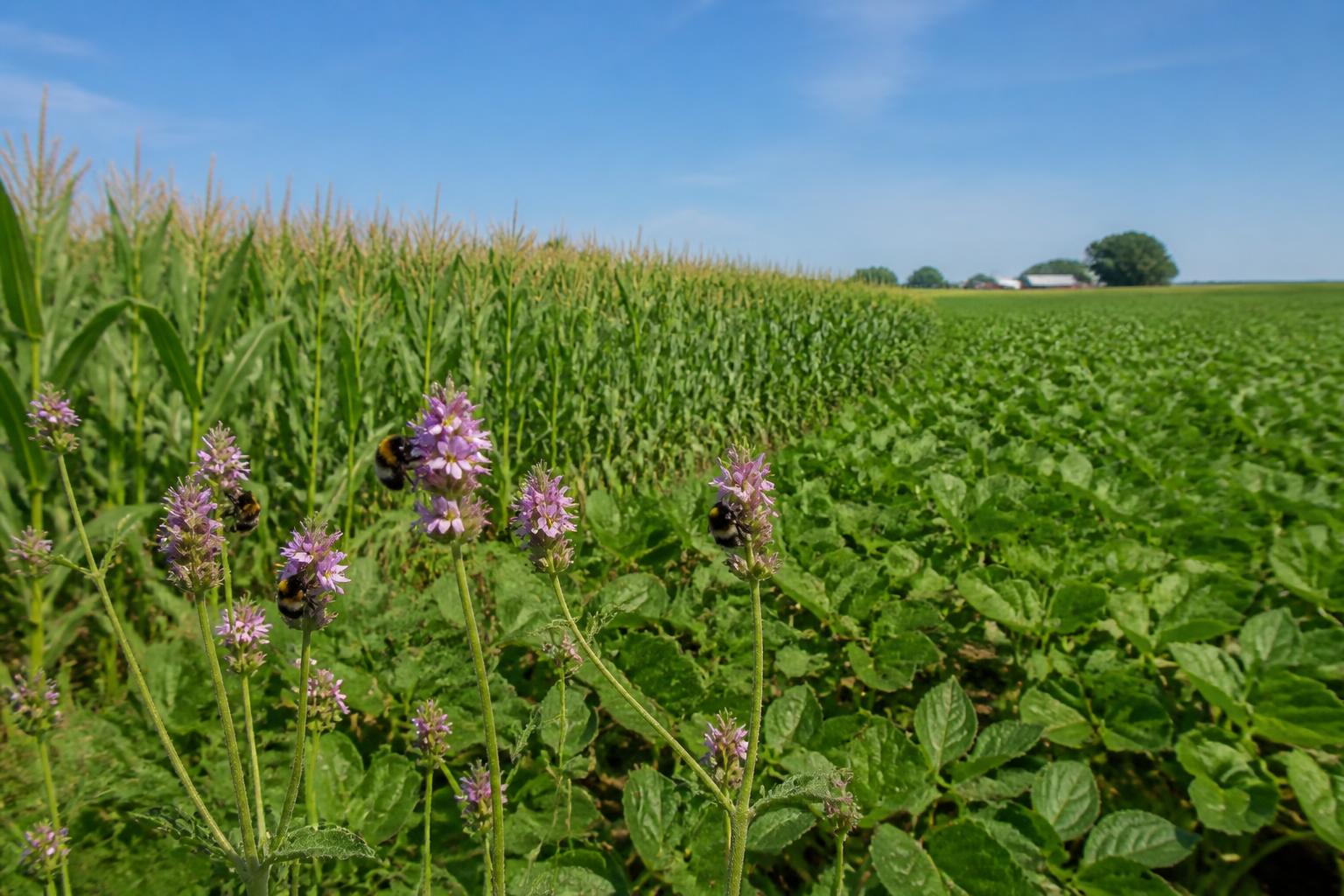
As Connecticut enters the peak of the summer season, local agricultural markets are experiencing a dynamic shift driven by both national grain price movements and crucial state-level financial developments. For livestock producers and grain handlers across the state, navigating the mid-summer squeeze requires a close look at feed costs, local crop protection, and liquidity management.
Nationally, grain markets have shown renewed strength. On July 1, 2026, both corn and soybeans closed up 5 cents, signaling a firming trend that directly impacts the cost of imported feed for New England dairy and livestock operations. This upward tick in benchmark grain prices comes at a time when local producers are also keeping a close eye on regional crop conditions and feed availability.
State Relief Funds Provide Crucial Feed Purchasing Power
To help offset ongoing economic pressures, the Connecticut Department of Agriculture (CT DoAg) has advanced $11.8 million in rapid relief dairy payments. This significant injection of funding is designed to support the state's dairy sector, which serves as a primary consumer of local and regional grain supplies. With national feed prices trending upward, these state payments provide critical liquidity, allowing dairy farmers to secure feed contracts and maintain herd nutrition plans through the high-demand summer months.
For operations looking to manage their feed budgets effectively, keeping a close eye on local trade channels is essential. To keep track of local market trends, producers can monitor the current landscape of grain buyers, sellers and prices in Connecticut to optimize their sourcing and contracting strategies.
Summer Pest Pressures and Forage Quality Concerns
While financial relief has arrived for dairy operators, agronomic challenges are mounting in the fields. Agricultural experts have warned of a projected bumper crop of bugs this summer across Connecticut. High insect populations can threaten local forage crops, silage corn, and small grain fields, potentially forcing farmers to increase monitoring and pest control measures.
Increased pest activity typically impacts crop yields and feed quality, which may force local buyers to rely more heavily on imported grain and commercial feed mixes. Producers in counties like Litchfield and Hartford are being urged to scout fields early and consult with local extension specialists to protect their standing crops from early summer damage.
Key Takeaways for Connecticut Agribusinesses
- Grain price firming: The 5-cent rise in national corn and soybean prices on July 1, 2026, suggests tightening feed margins heading into late summer.
- Financial buffer: The $11.8 million in CT DoAg rapid relief payments offers essential cash flow to help dairy farms absorb rising input costs.
- Pest management priority: Anticipated high insect pressure requires diligent crop scouting to protect local silage and grain yields.
What it means for the market
The combination of rising benchmark grain prices and localized pest threats means Connecticut farmers must balance protection of their existing crops with strategic feed procurement. The influx of state rapid relief funds will likely help stabilize local demand for grains and feed supplements, preventing a sharp drop in regional purchasing despite the firming national market. For the remainder of the summer, the interaction between pest-related crop damage and the steadying influence of state financial assistance will dictate the movement of local grain and feed trade.
Comments
No comments yet - be the first to share your take.