
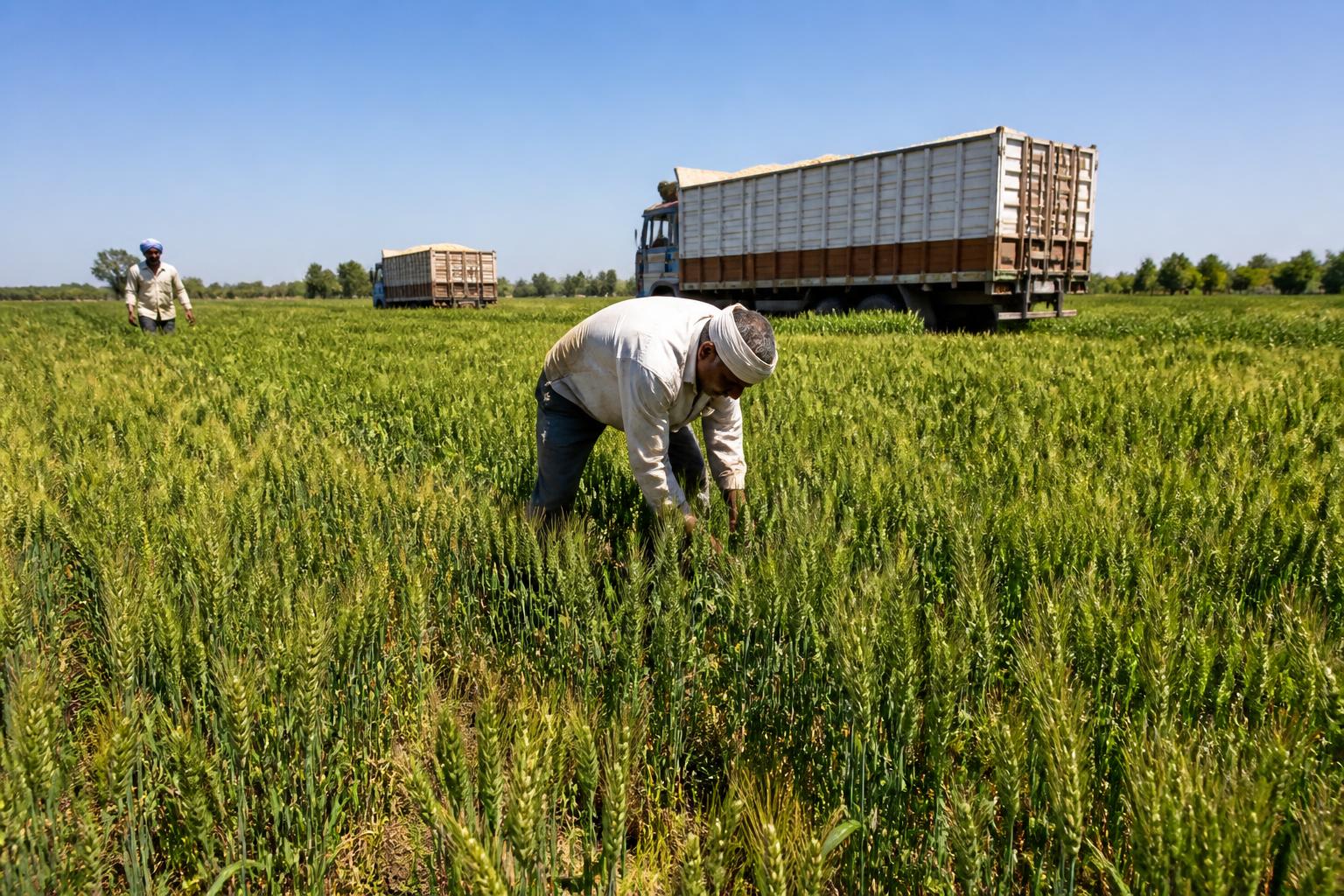
Washington grain growers are navigating a complex summer landscape of tight profit margins, volatile export markets, and logistical challenges. As the summer harvest progresses across the dryland fields of Eastern Washington, soft white wheat producers are balancing high input overhead against depressed market prices, forcing a sharper focus on marketing strategies and localized logistics.
Tight Margins and Input Pressures in the PNW
Wheat growers in Washington and the wider Pacific Northwest are grappling with thin to negative margins, driven by a combination of global market volatility and persistent input prices. Despite some relief in overall supply chains, the fertilizer bottleneck remains a recurring challenge for local producers. To address long-term fertilizer market transparency and research, federal lawmakers have reintroduced the Fertilizer Research Act, aiming to study domestic production, competition, and supply chain constraints.
In the meantime, local farmers are advised to remain cautious and proactive with their crop marketing. Monitoring regional price variations and comparing local bids via Washington grain buyers and market listings can help growers identify competitive pricing windows in a volatile cash market.
Logistical Hurdles and Infrastructure Expansions
Moving grain from interior fields to coastal export terminals remains a critical component of Washington ag logistics. Rail transit has faced scrutiny, with some small farm advocates pointing out challenges in securing timely rail service for grain exports from Class I railroads. These shipping bottlenecks underscore the importance of river corridors and multi-modal transport networks during the peak summer shipping season. For a deeper look at these shipping dynamics, see the ongoing discussions regarding Washington ag transport and river logistics.
To improve long-term efficiency, a new Southwest Washington grain project was recently opened, bolstering regional handling capabilities. Additionally, a federal pilot proposal to increase truck weight limits is generating interest among ag groups, as higher limits could significantly boost over-the-road transport efficiency for grain haulers navigating local highways.
Expanding Export Horizons and Future Protections
With domestic margins tight, international trade remains the lifeblood of the Washington wheat industry. The USDA has recently awarded trade promotion funds to help expand agricultural exports to emerging global markets, highlighting the ongoing effort to find new homes for Pacific Northwest soft white wheat. Furthermore, recent EPA approvals of new crop protection products scheduled for future years offer some optimism for long-term pest and weed management, even as growers navigate immediate climate and weather vulnerabilities this season.
What it means for the market
For Washington grain producers, the current summer environment demands defensive marketing and high operational efficiency. High input costs and volatile wheat prices mean that every cent saved on logistics, or gained through strategic storage, is critical. Keeping a close eye on regional rail and barge availability, leveraging local infrastructure developments, and monitoring federal transport policy shifts will be essential tools for agribusinesses heading into the late summer and fall.
Comments
No comments yet - be the first to share your take.