
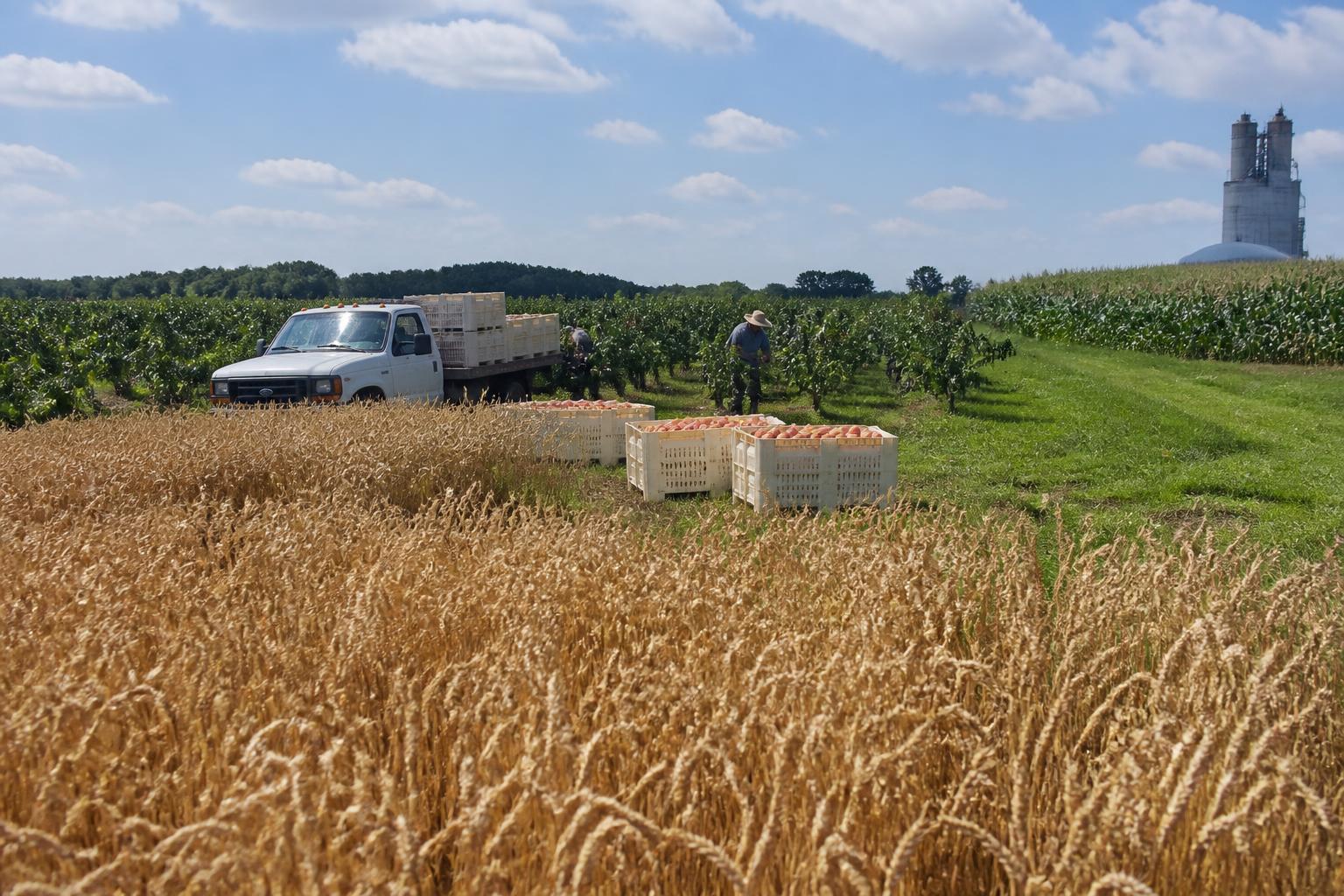
As the mid-summer heat settles over the Garden State, New Jersey farmers are reporting robust performance across several grain categories. Recent reports indicate that local growers have achieved record wheat yields, signaling a productive season despite the variable weather patterns often seen in the Northeast. This high output is placing a premium on reliable ag transport and logistics as operations manage the influx of harvest volumes.
Beyond wheat, the state continues to see innovation in high-value crop production, including notable achievements in sorghum yields. These successes highlight the effectiveness of modern agronomic practices and persistent land stewardship efforts in key farming counties. As storage capacity remains a critical component for producers, the focus is shifting toward maximizing the utility of on-farm bins and local terminal access.
Optimizing Supply Chain Efficiency
For grain handlers and agribusinesses, the current season demands heightened attention to operational security and efficiency. Recent incidents involving equipment and cargo theft have underscored the importance of integrating advanced high-tech monitoring and security solutions into daily facility management. Maintaining a secure supply chain is vital as businesses look to balance the demands of local distribution with broader market commitments.
Furthermore, producers looking to maximize the value of their output are increasingly exploring diverse market channels, including those bolstered by legislative changes supporting craft distilleries and value-added processing. These opportunities offer potential for farmers to secure better margins by connecting directly with regional beverage and food manufacturing sectors.
Market Outlook and Regional Support
As we move deeper into the summer, maintaining optimal storage conditions is paramount to protecting the quality of recent harvests. With many growers evaluating their grain inventory management, regional soil conservation resources and extension support remain essential for navigating the complexities of the mid-year cycle. Strategic planning for the upcoming post-harvest period can help stabilize regional supply lines and ensure that local produce reaches its intended destination efficiently.
What it means for the market
The combination of high yields and regional logistics challenges suggests that farmers who prioritize efficient storage and secure, timely transport will be better positioned to capitalize on current production gains. Agribusinesses should prepare for sustained demand in the transport sector as volume flows through established regional corridors, emphasizing the need for robust planning as the season progresses.
Comments
No comments yet - be the first to share your take.