
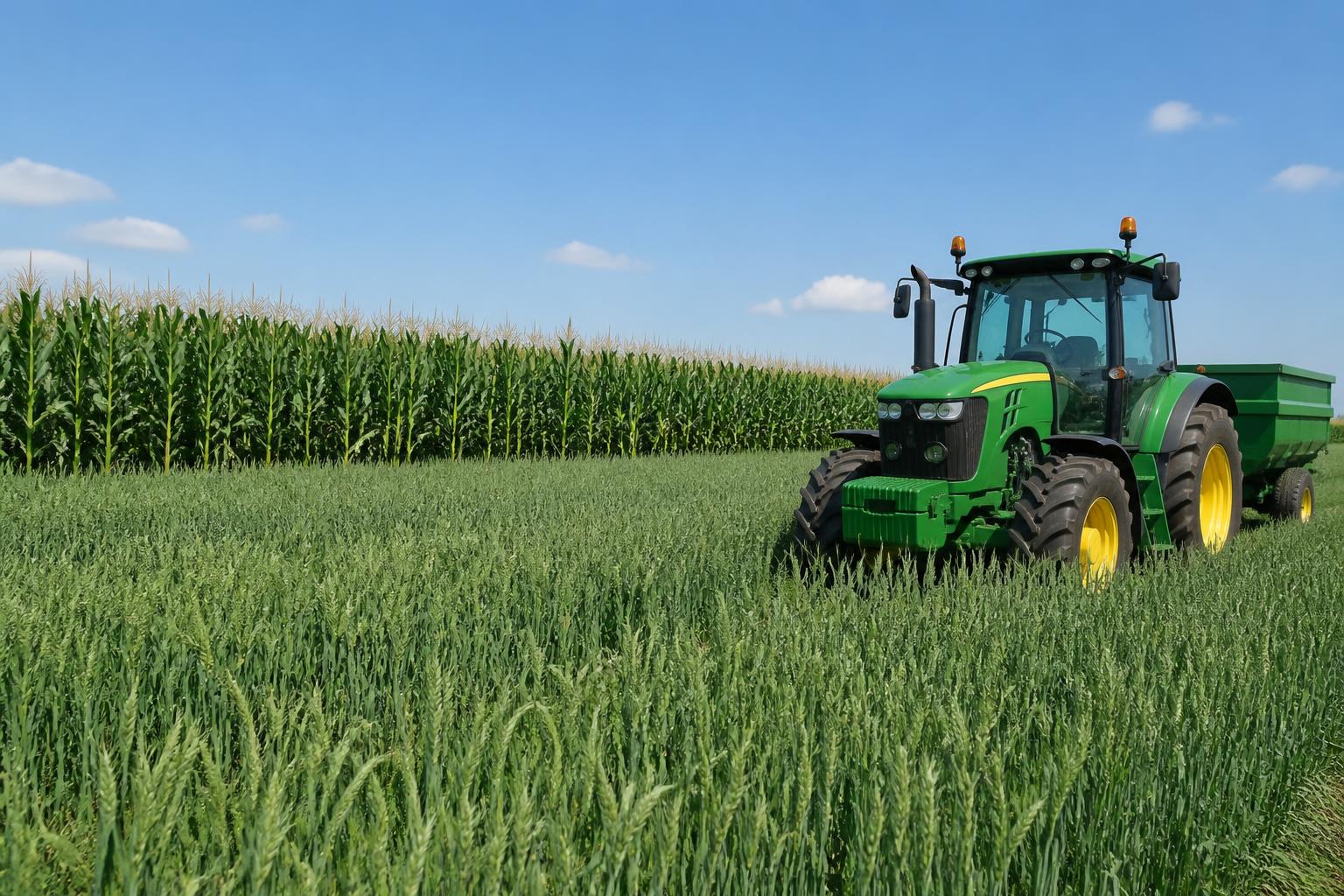
As the summer harvest cycle advances across Texas, regional grain operators and producers are increasingly contending with broader market volatility. Recent reports suggest that fluctuations in commodity pricing continue to create a climate of uncertainty, requiring stakeholders to maintain a heightened focus on operational efficiency and proactive management in their daily business dealings.
For those managing storage or transport, the current environment emphasizes the importance of staying informed on local supply chain bottlenecks. Efficient logistics remain critical, especially when coordinating movement between regional elevators and larger port facilities. Market participants are reminded that staying agile in these conditions often helps to mitigate the impact of unpredictable pricing swings.
Managing On-Farm Inputs and Efficiency
As Texas growers navigate the summer heat, input management remains a central theme for profitability. Beyond price considerations, ensuring that crop health is maintained through effective pest management—such as exploring sustainable options like neem seed extract for localized applications—can be a viable strategy. Furthermore, managing logistics and regional input supplies effectively is essential for those looking to keep overhead costs predictable throughout the remainder of the growing season.
Resource Allocation in a Tight Market
Water availability continues to be a persistent theme for many agricultural operations across the state. With ongoing discussions regarding treaty water deliveries and regional groundwater management, long-term planning has become a necessity rather than an elective. As noted in recent regional updates, confronting water scarcity remains a top priority for growers, particularly in areas where irrigation is critical for maintaining consistency in yield expectations.
What it means for the market
For the Texas agribusiness sector, the current market climate demands a blend of fiscal discipline and operational foresight. By prioritizing robust logistical planning and keeping a close eye on commodity trends, producers and grain handlers can better position themselves against volatility. As the season matures, focusing on regional cooperation and resource efficiency will likely remain the most reliable path for navigating the unpredictable nature of today's grain markets.
Comments
No comments yet - be the first to share your take.