
Texas agricultural producers are navigating a highly dynamic summer season as intense heat settles over the state's diverse growing regions. From the coastal rangelands to the High Plains, operators are balancing immediate biological threats to livestock with promising technological and policy shifts designed to ease operational burdens.
Easing Fertilizer Costs and Policy Focus
Texas crop producers have long wrestled with high input costs, particularly for nitrogen fertilizers, which can erode margins quickly during peak summer demand. Recent national policy efforts, including actions from President Trump to lower fertilizer costs and support domestic production, aim to provide much-needed breathing room. Producers keeping a close eye on input expenses can trace how national policies impact local retail prices by reviewing recent movements in the Texas fertilizer market. Mitigating these costs remains a top priority as growers plan their nutrient applications for upcoming crop cycles.
Biosecurity Alarms Over Screwworm Management
On the livestock front, Texas face serious biosecurity hurdles. The Texas agricultural chief has raised concerns that the USDA's sterile fly strategy to combat a recent screwworm outbreak is failing. Screwworm infestations present severe risks to cattle herds, requiring ranchers to increase visual inspections and implement stricter insect control measures.
Given the state's vast rangelands, livestock operations must maintain heightened vigilance to prevent the spread of this destructive pest. Local management protocols may need to adapt quickly if federal containment strategies continue to struggle.
Innovations and a Rising Workforce
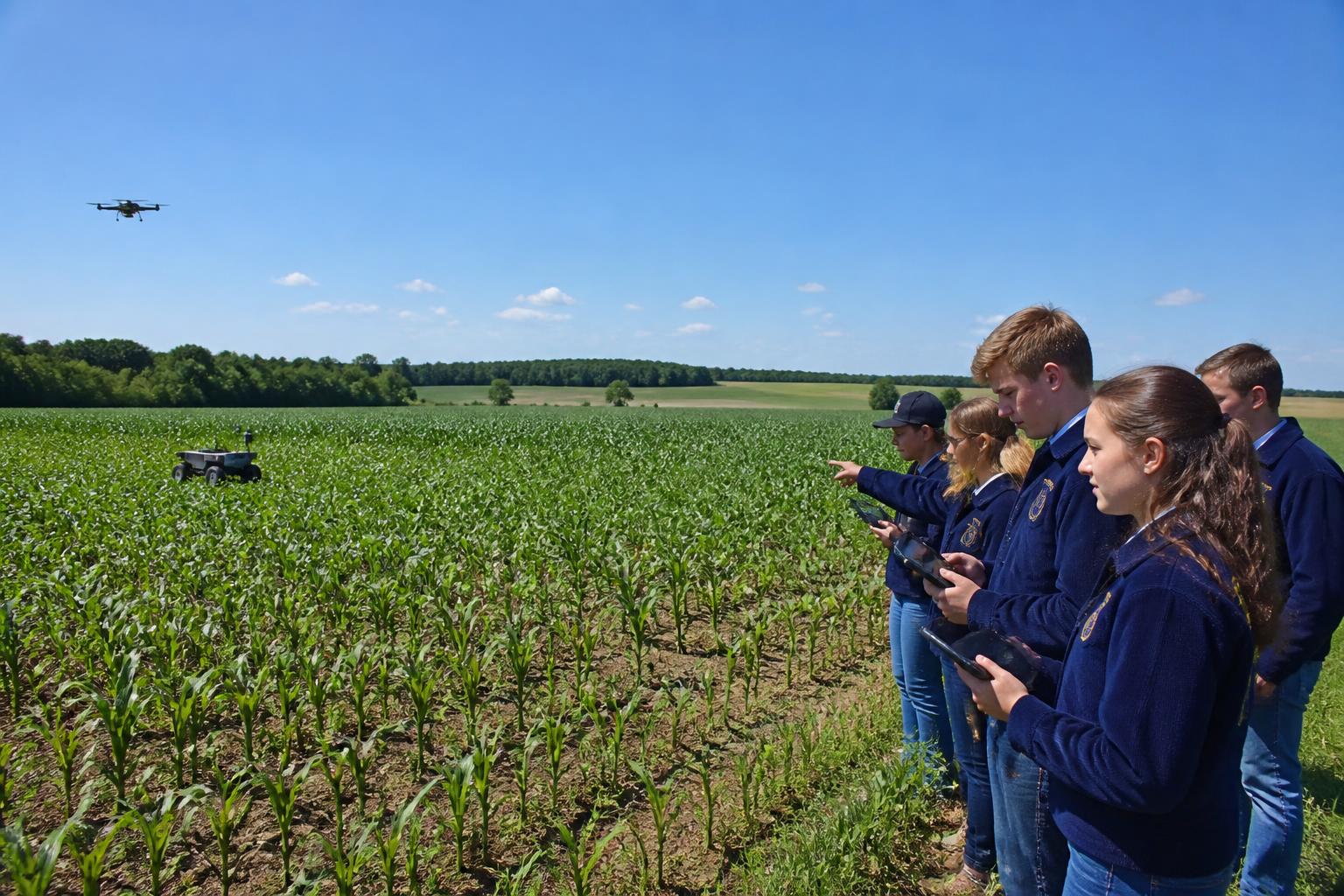
Despite these hurdles, the future of Texas agriculture is finding support through technology and youth participation. The emergence of "crop digital twins" represents a new frontier in precision agriculture, allowing growers to simulate plant growth and optimize resource use in real-time. At the same time, the Texas FFA continues to see its ranks grow as agricultural education branches out into modern technologies and diverse career paths. This influx of young talent and advanced modeling tools could redefine how Texas farms manage water, pests, and soil health in the coming years.
Key Takeaways for Texas Producers
- Monitor Livestock: Increase herd inspections due to reported issues with federal screwworm containment strategies.
- Watch Input Trends: Track policy developments and tariff relief efforts that could ease domestic nitrogen and fertilizer prices.
- Adopt Precision Ag: Explore digital twin modeling and advanced agronomic technologies to maximize resource efficiency.
What it means for the market
Texas agribusinesses, grain handlers, and livestock producers must prepare for a summer of careful risk management. While federal policy efforts and new digital twin technologies offer long-term optimism, the immediate horizon demands close monitoring of screwworm developments and strategic input purchasing to protect seasonal margins.
Comments
No comments yet - be the first to share your take.