
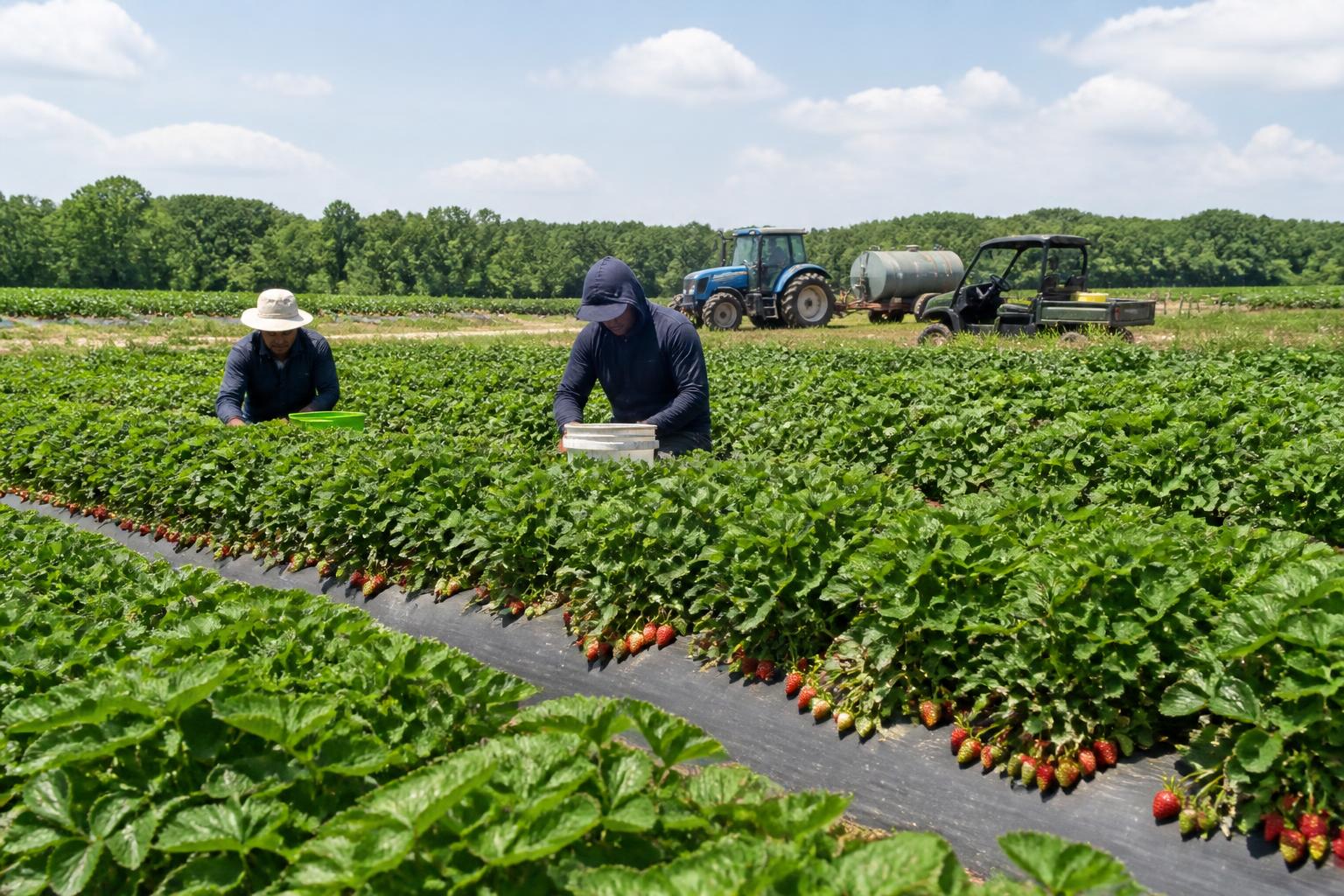
Mid-summer in Kentucky brings a unique set of challenges for local grain handlers and producers. As fields across the Commonwealth progress through critical developmental stages, attention is increasingly shifting toward the logistics that will support the upcoming harvest season. For those operating within the local grain value chain, managing the balance between production costs and efficient transportation remains a top priority.
Input cost volatility continues to ripple through Kentucky's agricultural sector, with many producers tracking how global supply chain fluctuations affect the affordability of essential crop nutrients. For insights on managing these economic pressures, operators can review recent discussions on local fertilizer market shifts. Keeping a pulse on these variables is essential for maintaining margins before the grain even leaves the field.
Optimizing Logistics for the Upcoming Harvest
Transportation infrastructure is a critical component for Kentucky farmers looking to move product efficiently to regional terminals and processing facilities. Effective planning often involves assessing local highway corridors and secondary road conditions ahead of peak seasonal activity. Whether moving grain to elevators in Western Kentucky or connecting with port facilities, understanding current bottlenecks can help mitigate transit delays.
Furthermore, managing crop health is vital to ensuring a high-quality yield that justifies the costs of logistics and inputs. Growers are often advised to monitor for localized pest and disease pressure that can emerge during humid summer months. Additional guidance on mid-summer crop protection strategies can help producers protect their bottom line during these final weeks of the growing season.
Market Stability and Risk Management
While the focus is currently on field conditions, the broader market environment in Kentucky is characterized by both opportunity and caution. The state's agricultural sector has historically shown resilience, yet producers are increasingly looking for ways to stabilize operations against external economic shocks. Farmers seeking to better navigate these shifts should consider resources covering trends in regional risk management to better prepare for year-end performance.
What it means for the market: As we move through the heat of July, the primary takeaway for Kentucky agribusinesses is the need for proactive logistics planning and disciplined cost control. By aligning transportation capacity early and staying informed on volatile input pricing, local operators can better position themselves to capitalize on the harvest season, regardless of the broader economic headwinds currently influencing the regional marketplace.
Comments
No comments yet - be the first to share your take.