
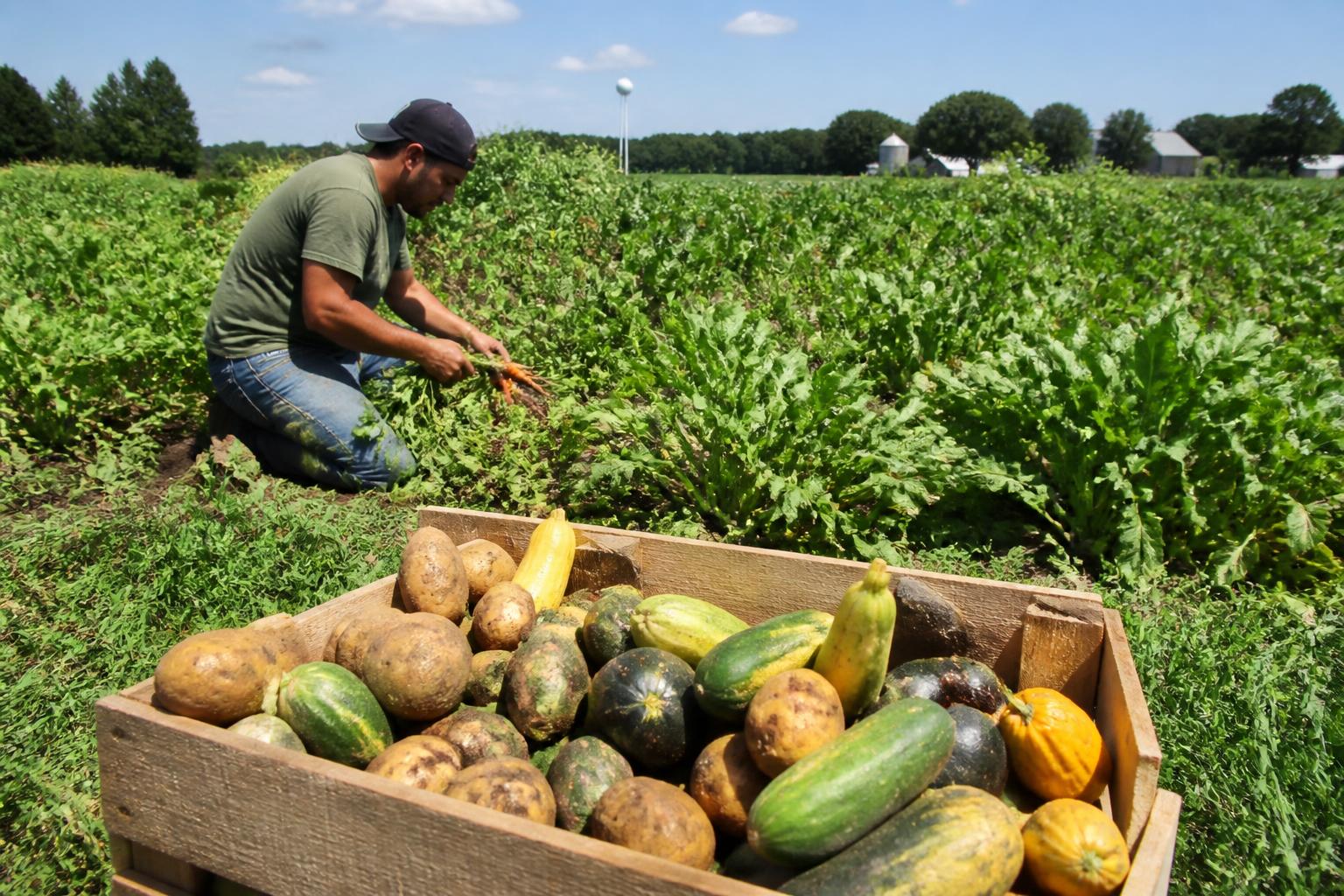
As we navigate the peak of summer, New Jersey growers are maintaining a sharp focus on logistics and crop management. With the season in full swing, field activity is intense across the state, from the fertile corridors of the south to the northern agricultural hubs. For local producers and grain handlers, this period is often defined by the coordination of transport and the monitoring of regional price volatility.
Understanding local market dynamics is essential for navigating the current season. Growers are paying close attention to grain buyers, sellers and prices in New Jersey to ensure their operations remain competitive amidst evolving regional demand and supply chain pressures. While the broader U.S. agricultural market experiences its own seasonal fluctuations, New Jersey producers are working to optimize their regional footprint and operational efficiency.
Managing Regional Logistical Challenges
Efficient movement of product remains a primary concern for New Jersey agribusinesses. As harvest volumes shift throughout the summer, the capacity of local storage and transport infrastructure is tested. Many operators are looking toward enhanced logistical coordination to mitigate delays. Whether moving grain toward coastal ports or inland processing facilities, success often hinges on tight scheduling and the ability to adapt to regional traffic patterns, especially as tourist volume increases in parts of the state.
Focusing on Quality and Market Access
Beyond logistics, maintaining crop quality is a priority. Mid-summer conditions require vigilance in managing field moisture and storage integrity. Accessing reliable, low-carbon biofuel markets or other value-added streams continues to be a strategic interest for many operations seeking to stabilize revenue against traditional commodity price swings. By keeping a pulse on regional bid sheets, farmers are better positioned to make informed decisions about their sell-side strategies.
What it means for the market
The current market environment in New Jersey underscores the necessity of proactive logistics planning. Growers who prioritize timely transport and stay informed of localized price shifts will likely be in the best position to capitalize on the summer harvest. Continued focus on refining regional supply chain connections, combined with an eye toward market-ready crops, will be critical for a successful second half of the season.
Comments
No comments yet - be the first to share your take.