
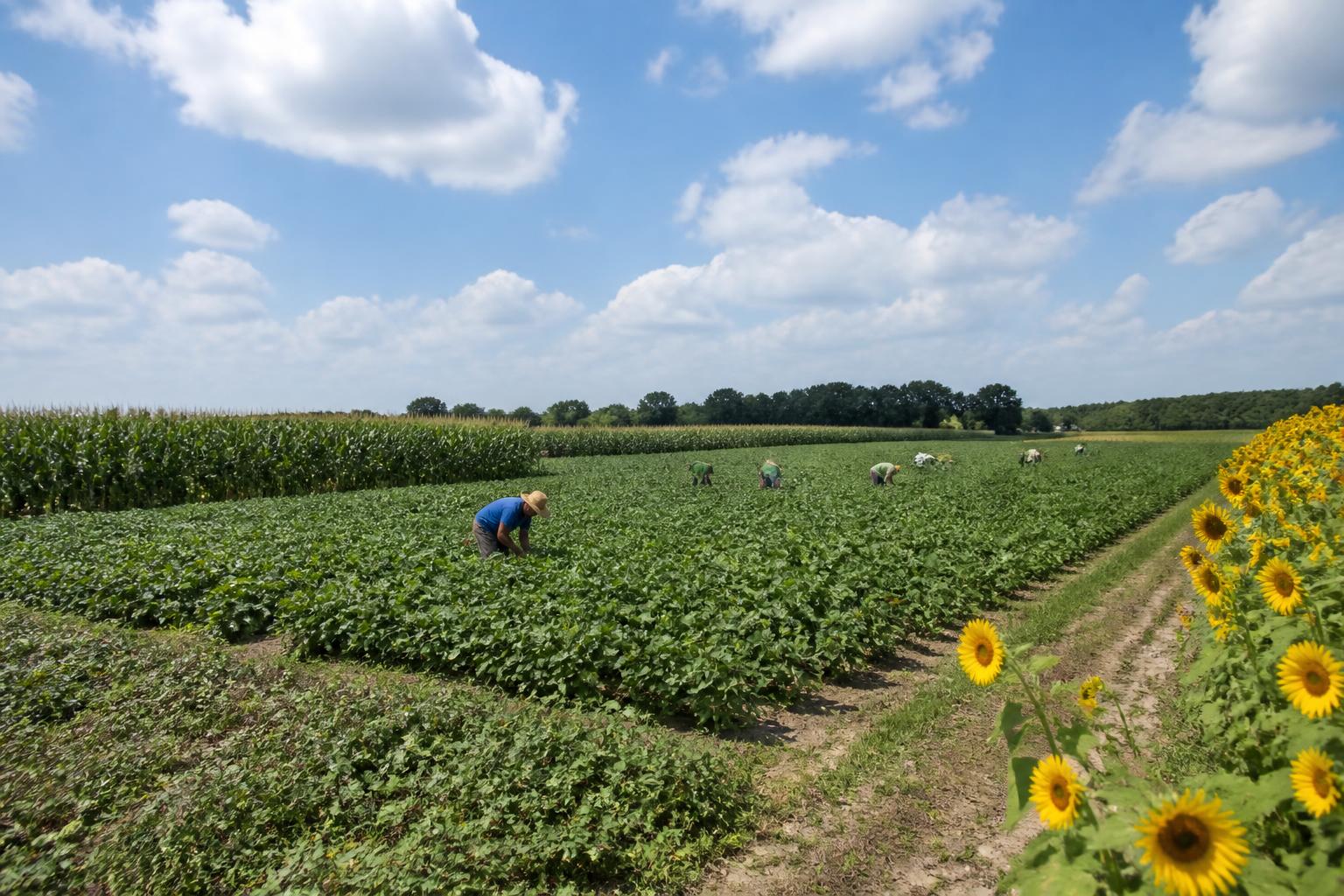
As North Carolina enters the peak of the summer growing season, the state's grain producers are shifting their focus toward maximizing efficiency in the field. With mid-season development underway, the balance between input costs and yield potential remains a top priority for growers across the coastal plains and piedmont regions. Efficient grain marketing and supply chain logistics continue to be critical as farmers look ahead to harvest preparations.
Managing Soil and Input Efficiency
Recent observations highlight the importance of understanding soil chemistry, particularly how herbicide efficacy can be influenced by organic matter and soil type. In fields where high organic matter is present, growers often find that traditional herbicide applications may bind more readily to soil particles, potentially limiting weed control efficacy. Precision management and consistent monitoring remain essential tools for producers trying to mitigate these variable conditions during the active growing season.
Furthermore, research continues into optimizing crop health while managing operational expenses. This is particularly relevant for specialty row crops where managing fungicide costs can significantly impact the bottom line. By utilizing site-specific data and research-backed application timing, producers can often achieve better disease protection without the burden of unnecessary expenditures, ensuring resources are allocated effectively throughout the summer months.
Logistics and Market Outlook
Beyond the field, the broader market environment continues to provide a backdrop for planning. As producers monitor regional progress, keeping a close watch on national trends is essential for making informed storage and delivery decisions. For those managing their operations, staying updated on logistics and transport infrastructure remains a key component of maintaining a competitive edge during the busy summer months. Understanding how external economic factors, such as interest rate adjustments, influence broader commodity markets can also help agribusinesses refine their long-term strategies.
Finally, as operations prepare for the transition toward harvest, producers are reminded to review local guidelines regarding field maintenance and residue management. Ensuring compliance with state regulations before beginning any land-clearing or post-harvest activities helps avoid operational delays and supports sustainable practices throughout the agricultural cycle.
What it means for the market
The current environment emphasizes that profitability is increasingly tied to the ability to manage inputs with high precision. For North Carolina grain handlers and producers, focusing on site-specific agronomy and maintaining a clear view of logistical bottlenecks will be the most effective strategy to navigate the remainder of the season. Balancing these localized management needs with national market awareness will be vital for a successful harvest year.
Comments
No comments yet - be the first to share your take.