
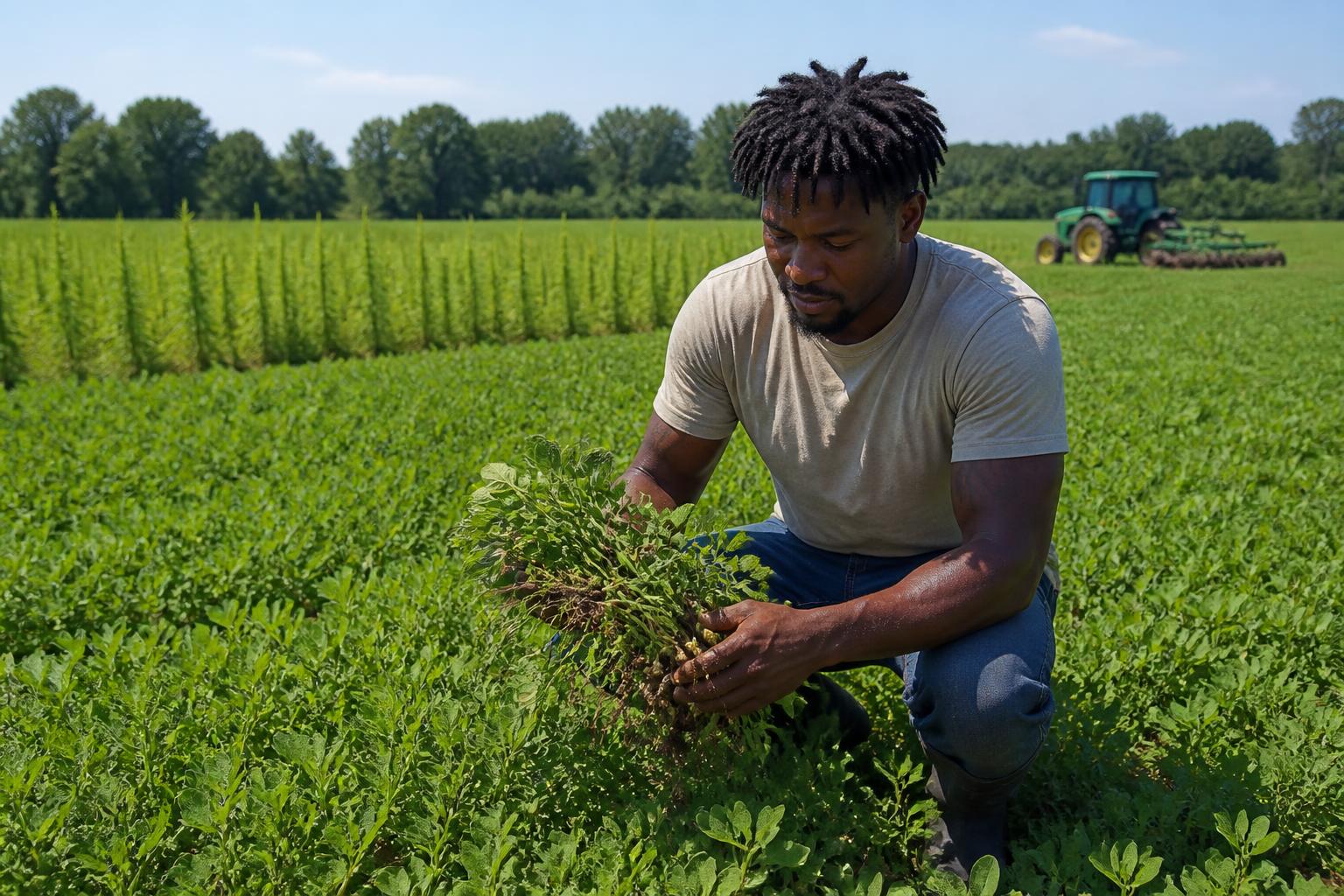
As South Carolina producers navigate the heat of the summer season, input cost management remains a top priority for agribusinesses across the state. With global market pressures contributing to fluctuating fertilizer expenses, local growers are increasingly turning to data-driven approaches to protect their margins. Effective nutrient management is not just a seasonal necessity; it is a critical lever for maintaining economic resilience in a challenging commodity environment.
For those looking to refine their nutrient application strategies, the state provides several institutional resources that assist in interpreting soil analysis. By utilizing precision-focused ag tools, farmers can often identify exactly where potassium or other key nutrients are required, avoiding the waste associated with blanket applications. This shift toward precision agriculture is essential for stabilizing operational costs while sustaining the yields needed for a successful South Carolina grain market season.
The Role of Stewardship and Soil Health
Beyond immediate input costs, long-term farm viability is increasingly tied to soil stewardship. Producers who have integrated cover crops into their rotations have frequently reported improvements in soil fertility, which can reduce the reliance on synthetic inputs over time. This approach to land management aligns with broader trends in regional sustainability, as farms look for ways to optimize their existing acreage through soil health enhancements rather than just expanded fertilizer budgets.
Operational Logistics and Seasonal Planning
As we move deeper into the summer, logistics and regulatory deadlines also come to the forefront. Agribusinesses should remain mindful of upcoming facility operations and regional equipment maintenance requirements. Staying ahead of these scheduling needs ensures that farm-level operations, from freight management to equipment upkeep, continue to function smoothly despite the intense pace of the season. Efficient coordination during these months can make a significant difference in how effectively a harvest is transitioned into storage or transport.
What it means for the market
The current market environment demands a disciplined focus on input efficiency and soil health. By prioritizing data-backed decisions and leveraging logistical efficiencies, South Carolina farmers can better insulate their operations from external price shocks. As the season progresses, maintaining a close eye on both regional soil test data and broader input cost trends will be vital for protecting the bottom line.
Comments
No comments yet - be the first to share your take.