
Pennsylvania agricultural logistics are navigating a complex summer season as growers and transporters balance shifting market demands with operational constraints. Across the Commonwealth, from the productive corridors of Chester County to the expansive fields of the northern regions, the efficiency of grain movement remains a primary concern for local elevators and trucking firms. Operators are increasingly navigating transport volatility to maintain consistent flow as seasonal activity intensifies.
Regulatory Shifts and Operational Planning
Recent developments in state-level compliance and industry oversight are requiring closer attention from agribusinesses. Changes in hemp regulations and ongoing discussions regarding the management of H-2A labor highlight the need for flexibility in annual workforce planning. While these policies aim to shape the future of the industry, they can create immediate friction for farmers attempting to coordinate harvest and transport timelines during peak periods.
Precision and Infrastructure Focus
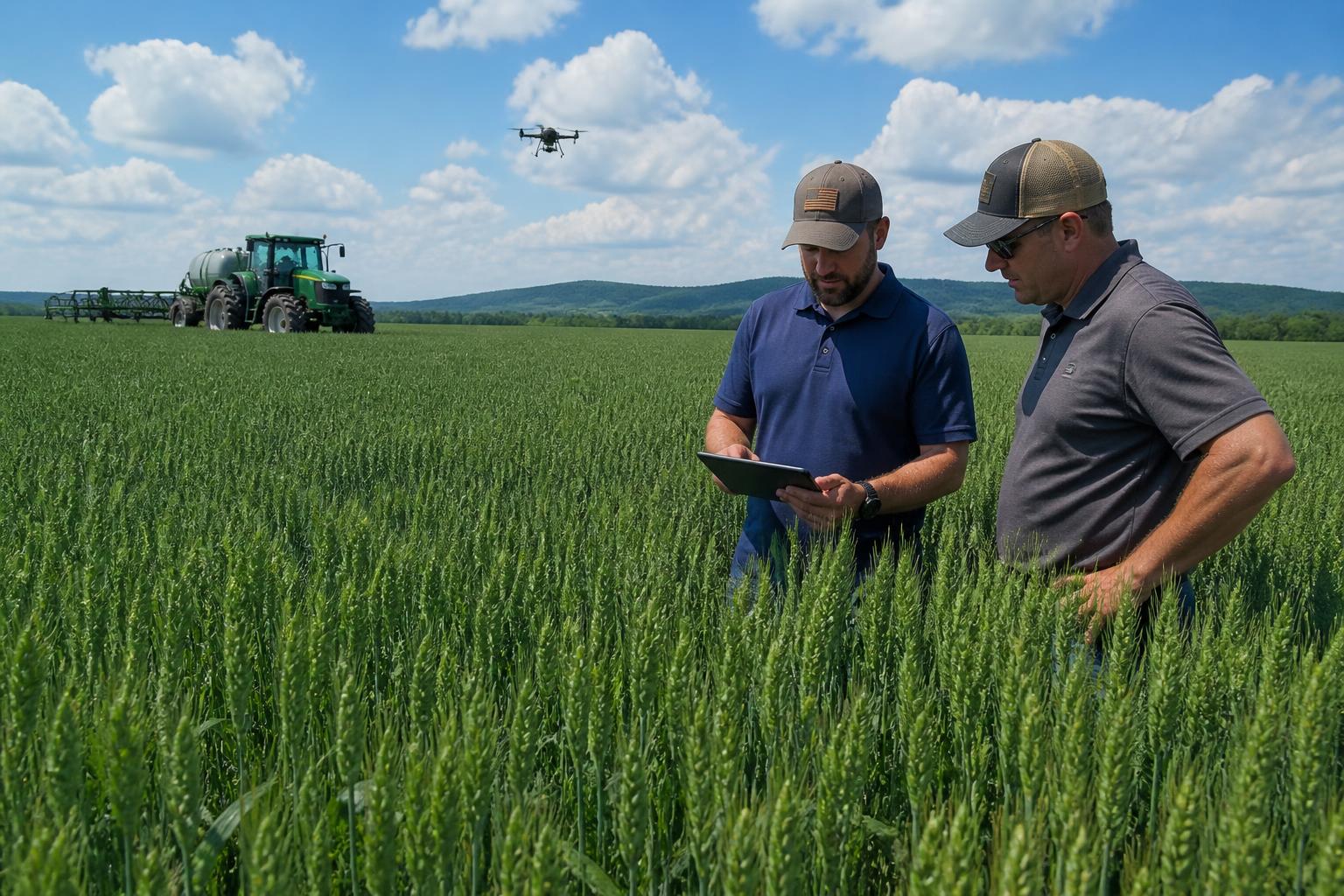
Across the state, the adoption of precision agriculture technology remains a significant trend, helping large-scale operations optimize input use and yield data. However, the physical movement of grain continues to rely on robust local infrastructure. As producers evaluate their summer grain strategies, the necessity of maintaining clear, accessible routes to local processing hubs and terminal markets is more apparent than ever. Maintaining these corridors is vital to mitigating the impact of global trade disruptions and internal supply chain hurdles.
What it means for the market
For Pennsylvania grain handlers and carriers, the current climate demands a proactive approach to logistics management. As we monitor potential long-term climate patterns that may impact future yields and transport windows, staying updated on local infrastructure investments—such as recent state-funded agricultural initiatives—is essential. By prioritizing efficient routing and staying informed on Pennsylvania agribusiness trends, market participants can better position themselves to absorb unexpected shifts in the regional grain economy throughout the remainder of the summer.
Comments
No comments yet - be the first to share your take.