
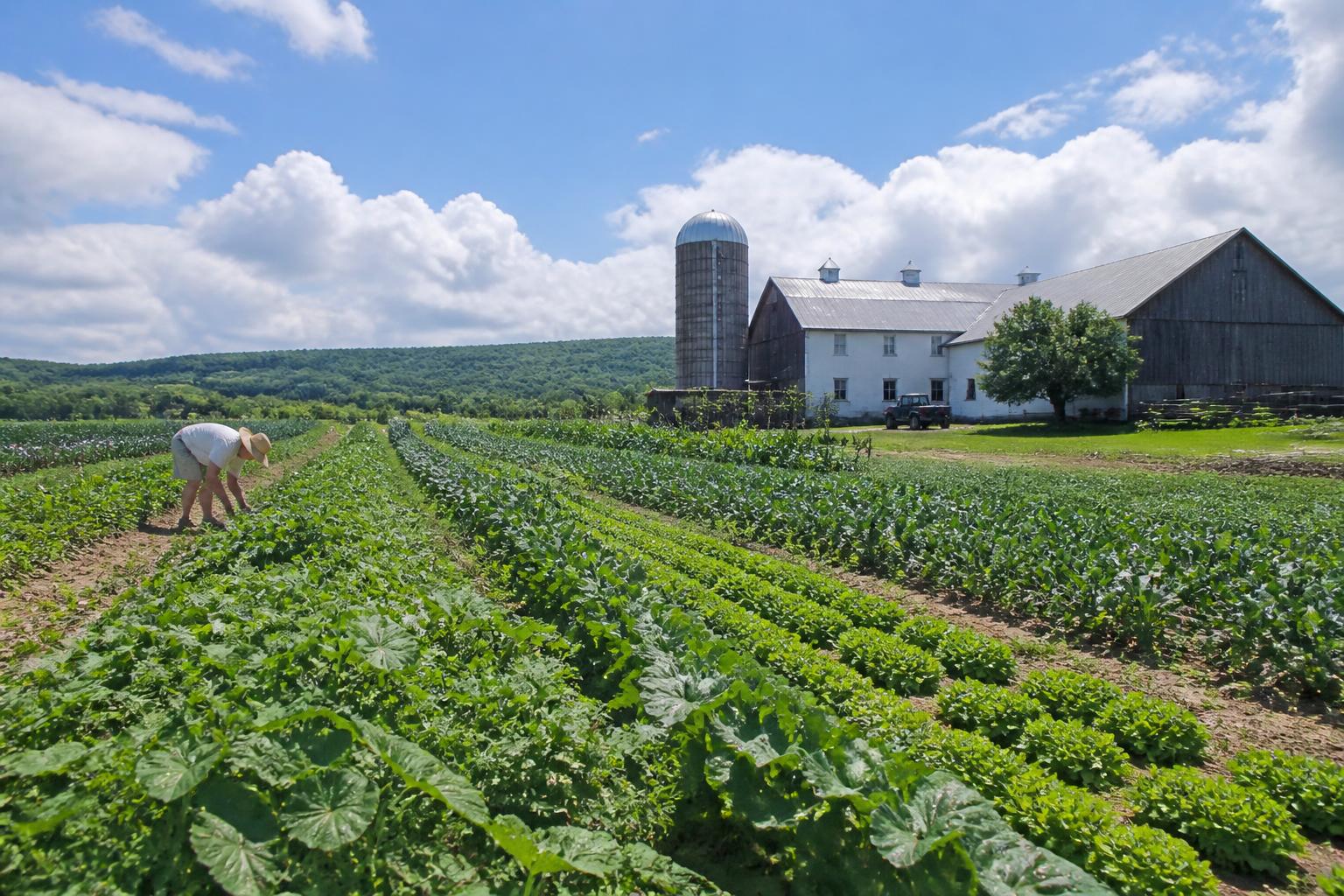
Weather Adaptation and Crop Resilience in the Field
Pennsylvania growers are increasingly modifying their management strategies to handle shifting climate and weather patterns. While some regional fruit and specialty crop producers faced severe setbacks from unexpected late-spring freezes, grain operations are actively adapting to protect their yields. Adapting to these variable patterns is driving changes in crop selection, planting windows, and soil management.
For grain producers, managing summer moisture levels and heat stress has become a priority. Local experiences show that shifting to more resilient seed varieties can help stabilize output. Indeed, some growers are finding success by adjusting their seasonal rotations, as seen in how Pennsylvania winter wheat output rises as grain growers navigate summer volatility, reflecting a broader trend of proactive planning in the state's grain belt.
Preserving Quality: Moving from Historic Barns to Modern Storage
Pennsylvania's agricultural landscape is famous for its historic bank barns, which reflect the deep heritage of the state's farming communities. However, meeting modern grain quality standards requires updated logistics. Today's commercial grain handlers and producers are increasingly investing in modern grain bins, drying systems, and temperature-controlled on-farm storage.
Proper storage is particularly critical during hot, humid summer months when mold and insect pressure can rapidly degrade stored grain. Efficient on-farm storage also gives growers more flexibility in timing their deliveries, helping them avoid long queues at regional elevators and navigate transport corridors like Interstate 81 and Interstate 78 more strategically.
Navigating Policy Uncertainties and Commodity Volatility
Beyond the weather, farm managers must monitor administrative and market developments. Rumors of federal government shutdowns and potential pauses in USDA agency services can create anxiety regarding market reports, conservation program administration, and farm service operations. At the state level, discussions surrounding land-use issues, such as solar development on agricultural land, continue to influence long-term planning decisions.
To mitigate these uncertainties, local growers are focusing on securing localized cash bids rather than relying solely on volatile national futures markets. Monitoring regional demand and connecting directly with trusted grain buyers, sellers and prices in Pennsylvania allows operations to lock in stable marketing terms even when broader commodity markets show signs of instability.
Key Takeaways for PA Grain Operations
- Focus on Crop Resilience: Adjusting planting schedules and selecting varieties adapted to wilder weather swings can protect yield potential.
- Upgrade Summer Storage: Ensuring on-farm storage is clean, aerated, and secure helps preserve grain quality and provides marketing flexibility.
- Keep Local Networks Active: Staying in close contact with regional buyers and regional marketing channels remains the best defense against national market swings.
What it means for the market
The Pennsylvania grain market this summer is centered on localized risk management. While policy shifts in Washington and global commodity trends keep national markets volatile, Pennsylvania growers who prioritize storage efficiency, adapt to climate realities, and cultivate strong local buyer relationships will be best positioned to secure steady margins through the rest of the season.
Comments
No comments yet - be the first to share your take.