
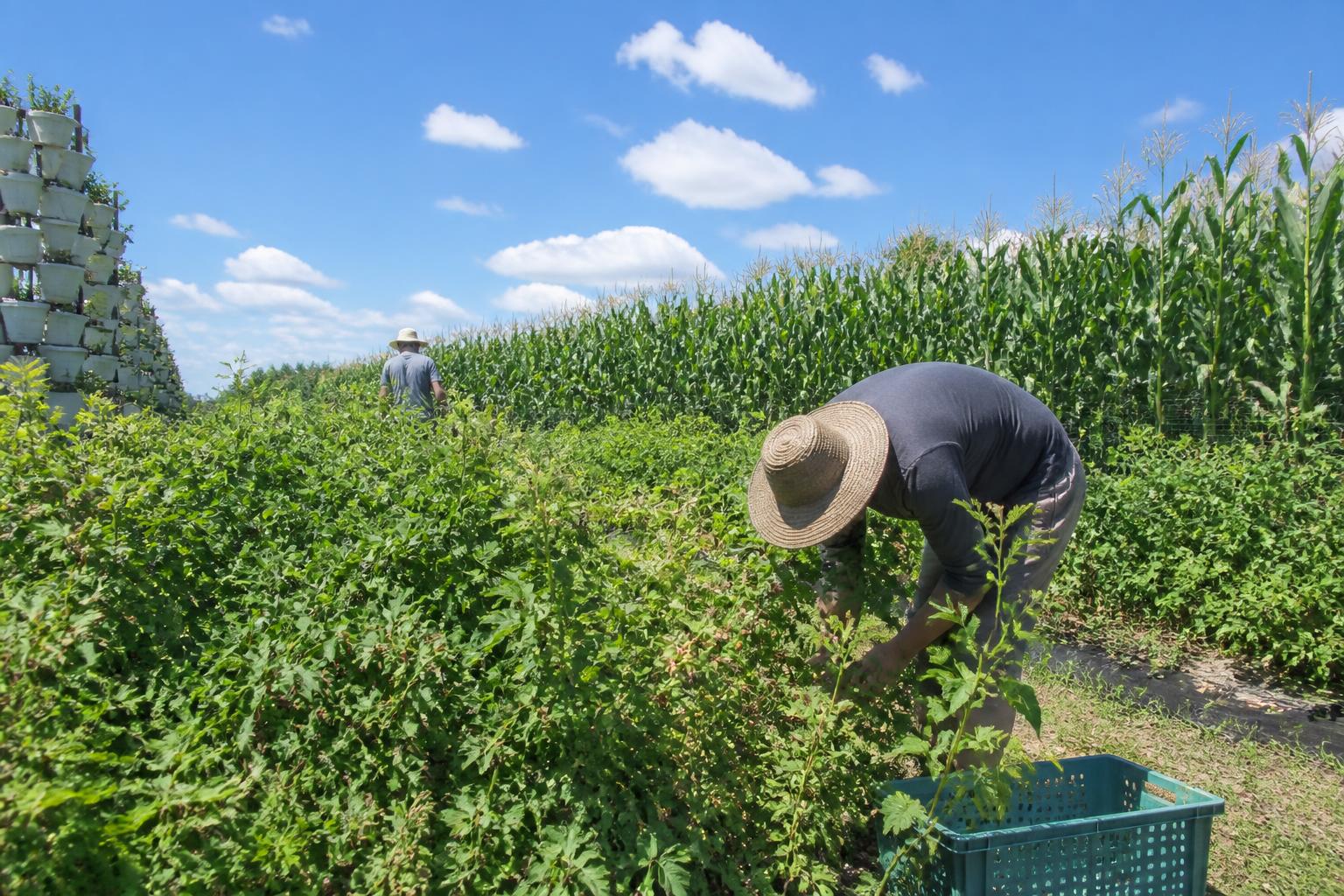
With summer operations in full swing across the Arkansas Delta, growers and grain handlers are closely monitoring the interplay between field conditions and regional transport networks. While producers focus on crop development, the volatility of local grain basis remains a central concern, particularly as it tracks with fluctuating Mississippi River levels. Maintaining fluid logistics is essential for those looking to protect their bottom line in a landscape characterized by narrowing financial margins.
Forward Contracting and Logistics Strategy
As harvest approaches, agricultural experts are increasingly emphasizing the importance of forward contracting for delivery. Securing reliable transport early can serve as a vital hedge against the uncertainty of logistics costs and equipment availability later in the season. For many operations, this proactive approach is a necessary response to the broader economic squeeze currently challenging Arkansas Delta growers, where managing input costs and harvest overhead is becoming a daily necessity.
Managing Seasonal Transit Risks
Logistics in the region often face seasonal pressures, ranging from infrastructure demands during peak haul times to environmental variables impacting river navigation. Ensuring that harvest output reaches its destination efficiently is a top priority, as unexpected delays can exacerbate the impact of weak grain pricing. Developing a clear plan for movement—whether moving grain to local elevators or coordinating with larger terminals—helps mitigate the risks associated with the rising logistics costs in the Delta that continue to weigh on producers.
What it means for the market
For Arkansas agribusinesses, the message is clear: adaptability is key. With net farm income forecasts under pressure and transportation costs showing little sign of cooling, operators who prioritize early logistical planning and clear communication with carriers are better positioned to weather potential supply chain disruptions. By locking in arrangements before the peak of the harvest rush, producers can better insulate themselves from the market volatility currently defining the regional agricultural landscape.
Comments
No comments yet - be the first to share your take.