
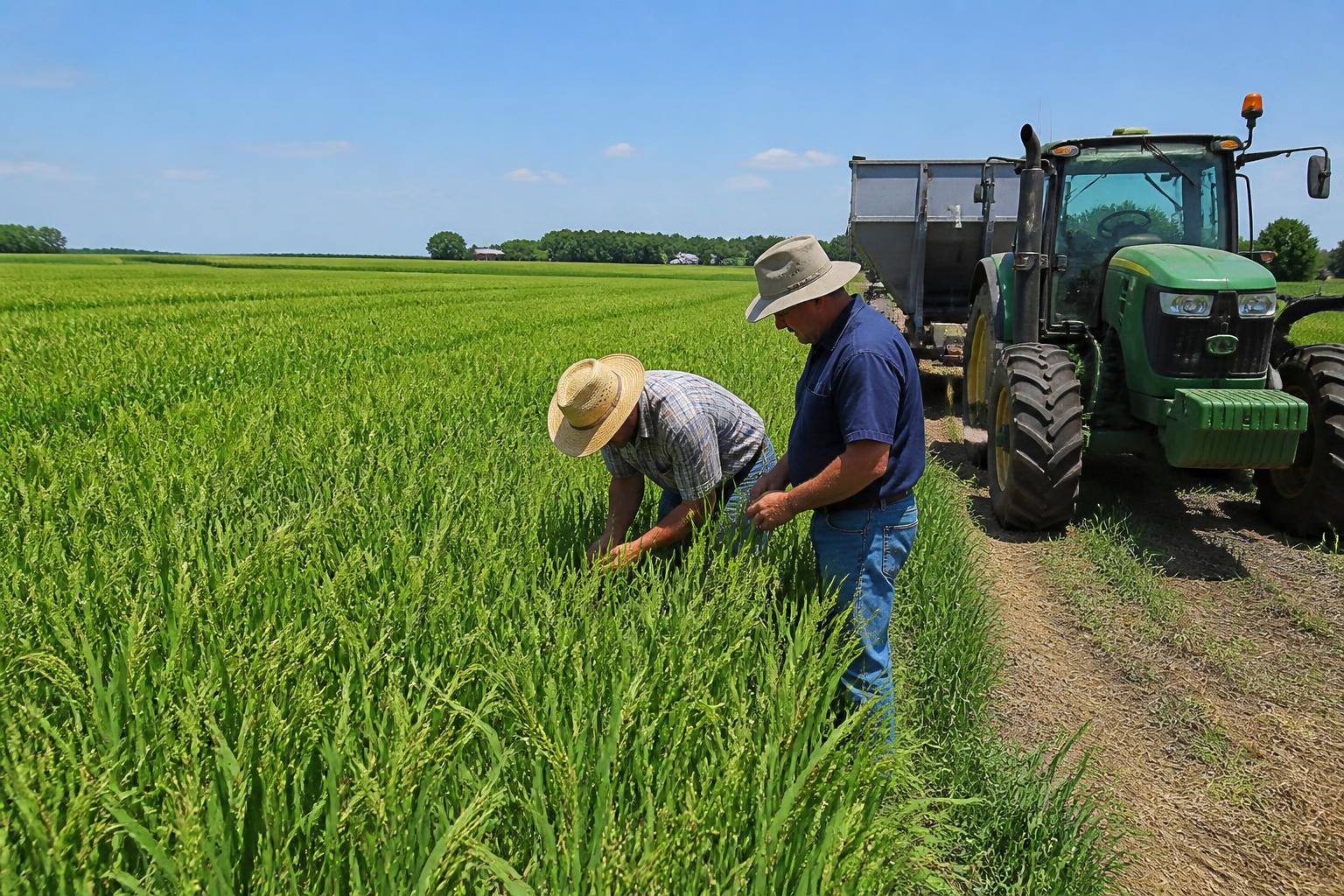
In the mid-south, maintaining clean fields through the summer requires a carefully calibrated approach to input management. Recent compatibility reports and rising overhead costs are forcing custom applicators and growers to pay closer attention to chemical combinations before they fill the tank.
Tank-Mix Compatibility and Sprayer Risks
Recent field reports in Arkansas have highlighted compatibility issues when tank-mixing certain crop protection products, specifically involving Sentris and glyphosate. When incompatible products are combined in the tank, they can form physical precipitates - often described by applicators as a thick sludge - that clogs nozzles, filters, and hoses. This not only leads to hours of tedious equipment cleaning but can also cause uneven chemical distribution across the field, resulting in poor weed control.
To mitigate these risks, local agronomists recommend performing a simple jar test before mixing large volumes. Furthermore, growers can leverage the University of Arkansas herbicide damage database to review historical patterns of crop injury and drift. Making informed decisions on chemical compatibility is essential for protecting crop yields and integrating these options with broader Delta input strategies during peak application seasons.
Managing Cover Crop residue and Burndown
Soil management practices also influence early-season and mid-season weed control dynamics. For instance, some Arkansas growers have utilized giant radishes to stem soil erosion during the off-season. While these cover crops provide excellent soil health benefits, their burndown process can turn into a slimy, smelly mess in the fields if not timed correctly. Managing the transition from cover crops to cash crops is a vital component of keeping fields clear and ensuring subsequent herbicide applications are effective.
Navigating High Fuel and Logistics Costs
The economic pressure of crop protection is compounded by macroeconomic factors. A recent surge in diesel prices has significantly raised transport and logistics costs for U.S. farmers. In Arkansas, where fields are often spread across expansive counties like Jefferson County and throughout the wider Delta, multiple trips across the field or frequent supply runs to the retail yard quickly erode profit margins.
To combat these rising transport costs, retail suppliers and farm managers are optimizing delivery routes and bulk-buying inputs where storage allows. Minimizing the number of passes through the field by ensuring tank-mixes work correctly the first time is one of the most direct ways to control fuel consumption this summer.
Key Takeaways for Arkansas Growers
- Verify Compatibility: Always check compatibility guidelines and perform a jar test for Sentris and glyphosate mixes to avoid sprayer clogs.
- Use Local Databases: Monitor the University of Arkansas herbicide damage database to track regional drift risks and application safety.
- Optimize Logistics: Consolidate input deliveries and spray passes to offset high diesel and transportation costs.
What it means for the market
For Arkansas agri-retailers and farmers, the current market demands operational efficiency over maximum speed. With logistics costs remaining high, the financial penalty for application errors is steeper than ever. Taking the extra time to verify tank-mix compatibility and plan efficient field routes will be the deciding factor in maintaining profit margins through the remaining summer crop protection cycle.
Comments
No comments yet - be the first to share your take.