
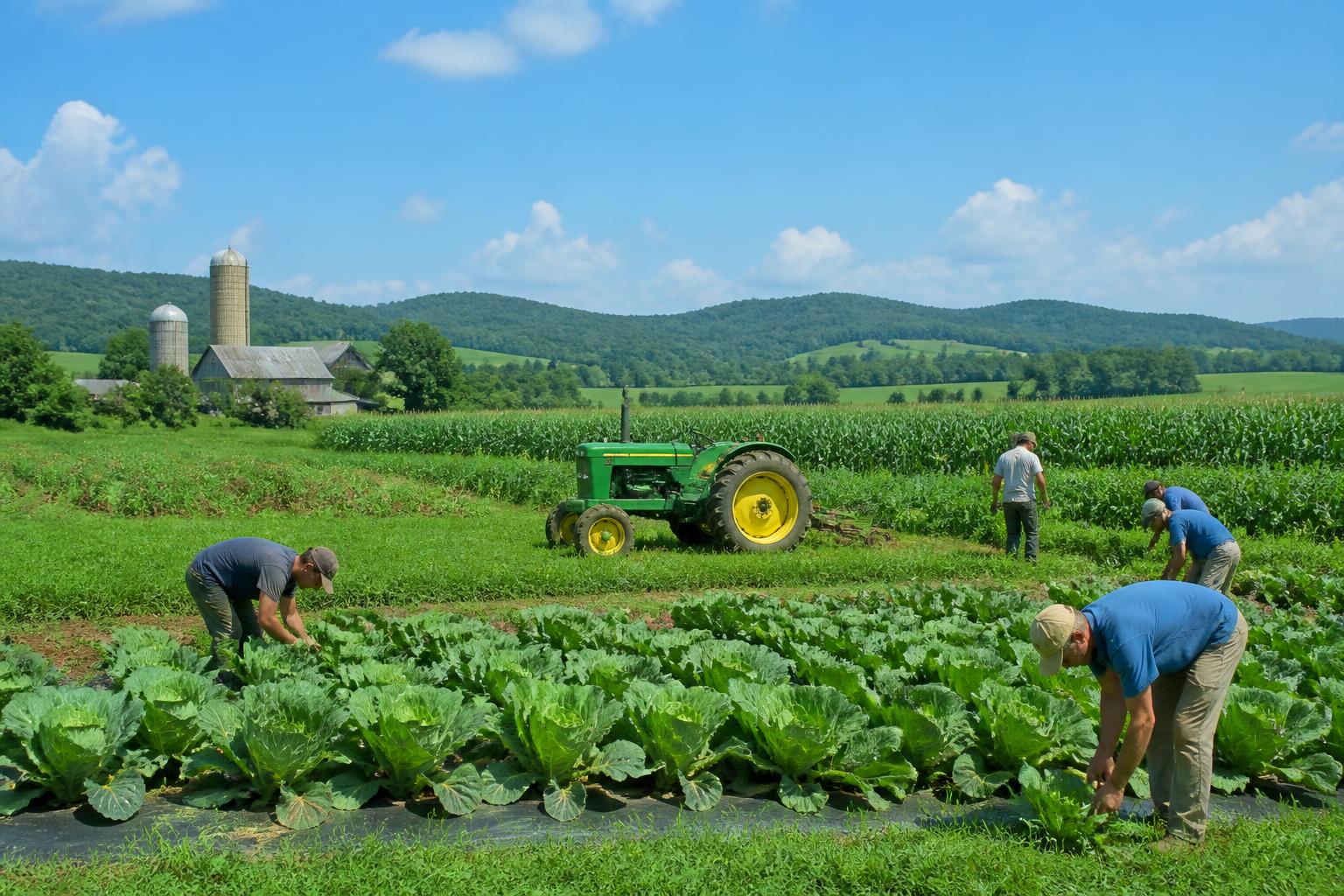
As Vermont transitions into the heart of the summer season, the agricultural landscape remains focused on both immediate recovery and long-term viability. Recent storm events have brought to the forefront the risks of crop lodging, prompting many producers to prioritize damage assessment in corn fields and surrounding forage acreage. Managing these volatile weather patterns is now central to regional grain market strategies, where consistent yield is vital for both dairy support and local human consumption.
Adapting to a Shifting Landscape
The traditional dominance of dairy in the state is seeing a gradual evolution as some multigenerational farms pivot toward specialty grain production and diversified crop systems. This shift is increasingly supported by the growth of regional value-added products, such as regenerative whole wheat flours and local artisanal grain processing. For many growers, the decision to incorporate new crops like small grains or even experimental ventures is a tactical response to both climate volatility and the need for more stable revenue streams outside of commodity markets.
Resilience and Market Potential
While weather-related stress and weed pressure continue to demand significant management time, the interest in regenerative practices remains high. Developing crops that are better suited to localized conditions can help mitigate the risks of extreme drought or flooding. By focusing on soil health and crop diversity, some farmers are finding that they can better withstand unpredictable seasonal shifts, turning once-vulnerable fields into more productive assets.
Key Takeaways for Producers
- Prioritize assessment of lodging and stalk strength in corn fields following heavy rains.
- Explore opportunities in identity-preserved grains or regenerative-labeled crops to capture premiums.
- Consider diversifying forage or grain mixes to better handle the extremes of the Vermont summer climate.
What it means for the market: The regional grain sector is in a period of calculated transition. While weather remains the primary near-term risk, the move toward diversification suggests that local agribusinesses are prioritizing long-term durability over traditional high-volume commodity dependency. For handlers and buyers, this implies a likely shift in the availability and quality profiles of locally sourced grains throughout the coming harvest season.
Comments
No comments yet - be the first to share your take.