
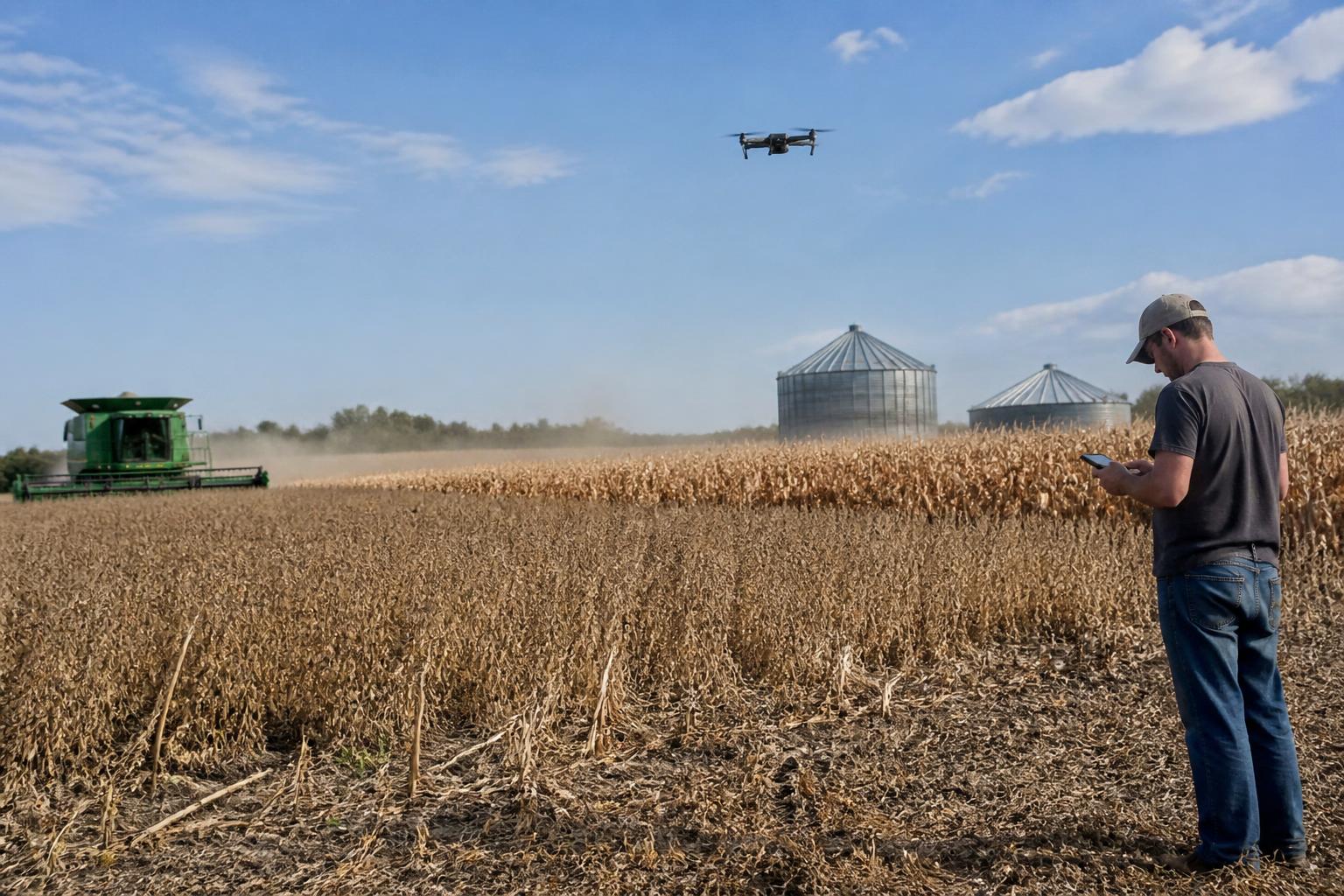
As harvest activity begins to pick up across Delaware, local producers are keeping a close eye on broader market signals. Recent shifts in global grain pricing and reports of supply-side uncertainty are creating a dynamic environment for those looking to move crops through local elevators. For Delaware agribusinesses, understanding how international commodity trends influence regional prices is essential as the seasonal flow of grain begins to intensify.
Market Pressures and Regional Risk
Producers across Kent and Sussex counties have faced a season marked by evolving input costs and environmental variables. With the current focus on yield outcomes, many are assessing how to balance their marketing strategies against recent price movements. Market observers note that while grain rallies can bolster revenue expectations, the underlying cost of production continues to place significant pressure on margins, a recurring theme for Delaware agriculture today.
Logistics and Market Connectivity
Reliable logistics remain a cornerstone for moving Delaware's output efficiently. Whether grain is destined for local processing facilities or transported to major port terminals, disruptions in the supply chain can lead to increased costs. As growers evaluate their options, staying informed about grain prices in Delaware remains a vital tool for making timely selling decisions during this harvest period.
What it means for the market: Farmers and grain handlers should prepare for continued volatility as international supply data filters through local markets. Monitoring regional basis levels against national price trends will be critical for managing risk and ensuring that grain movement remains profitable despite the broader inflationary pressures currently impacting the agricultural sector.
Comments
No comments yet - be the first to share your take.