
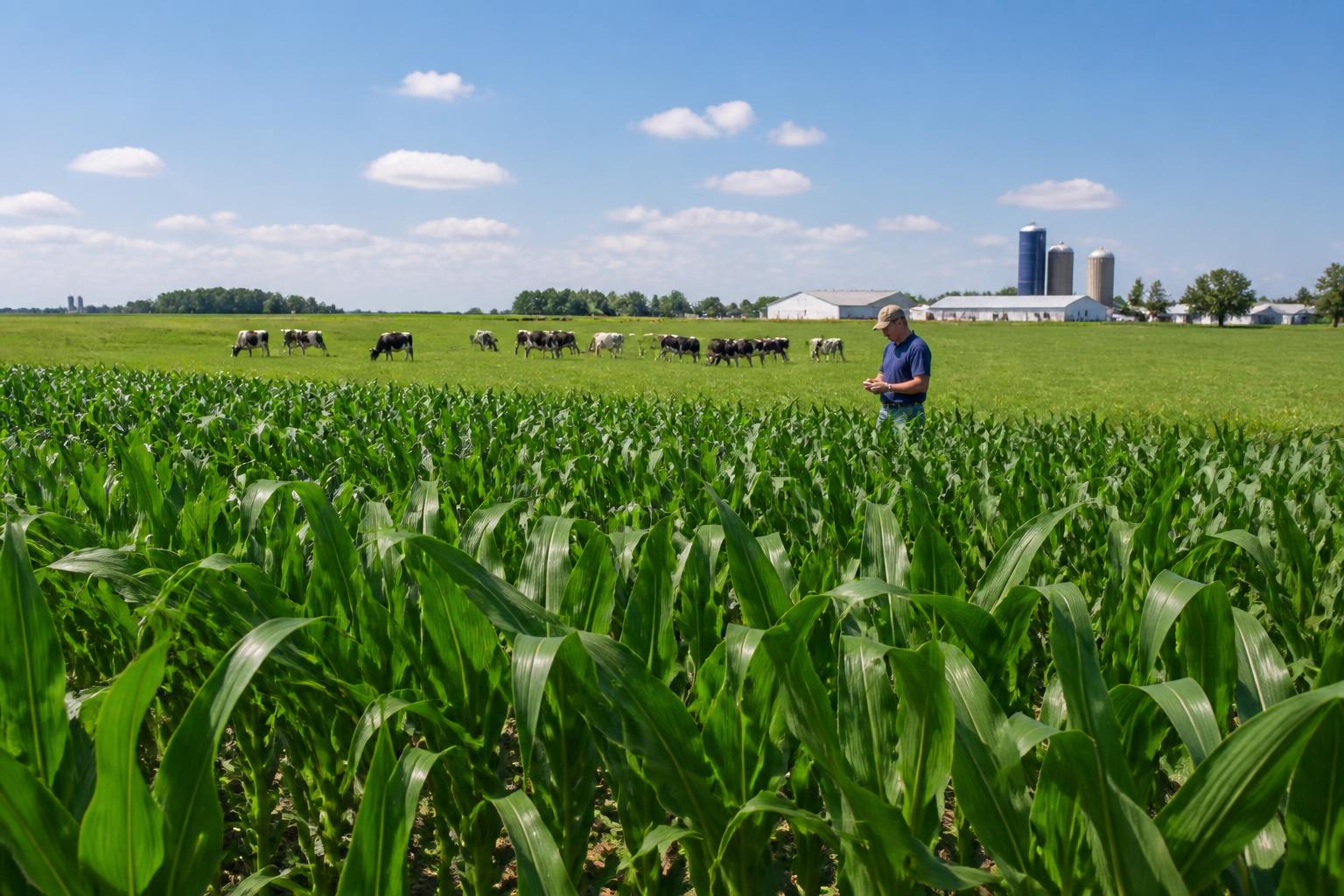
Wisconsin farmers are currently contending with a complex agricultural landscape as the summer season progresses. While recent reports indicate that drought conditions have begun to ease in parts of the central United States, local producers are still adjusting to an economic environment marked by fluctuating operational costs and long-term structural shifts within the state's dairy and row-crop sectors.
Managing Input Economics and Operational Shifts
For many growers, the conversation around fertilizers and machinery remains tethered to broader market pressures. Despite recent policy adjustments regarding tariffs on international farm equipment, many operators continue to see sustained or rising costs for essential inputs. This environment has pushed many in the industry to diversify income streams, often through custom farming operations or by optimizing nutrient application strategies to maximize yield on tighter margins.
As you plan your mid-season applications, it is essential to monitor field health closely. Early scouting remains a primary defense against potential yield-robbers, as seen in previous years where outbreaks of armyworms and stripe rust required swift intervention to protect crop potential. Effective agronomic management is particularly vital when input expenditures are high and margins remain sensitive to global trade dynamics.
Integrating Local Logistics and Market Realities
Wisconsin's agricultural logistics networks are currently in a delicate state, requiring operators to remain agile. Whether you are coordinating fertilizer deliveries or preparing for the upcoming harvest, regional transport bottlenecks can quickly complicate supply chains. For those navigating these hurdles, staying informed on logistics updates can provide a significant advantage in moving inputs and finished products efficiently.
Furthermore, as farmers weigh decisions on future investment, the importance of maintaining strong trade relationships is frequently cited by industry leaders. Ensuring the stability of agreements, such as those related to USMCA, remains a priority for corn growers and livestock producers alike as they look toward the next fiscal cycle.
What it means for the market
The current market dictates that precision and risk management are more important than ever. Farmers who prioritize efficient nutrient usage and stay proactive in scouting for pests are better positioned to protect their bottom line against the broader headwinds currently affecting the Wisconsin agricultural economy. Moving through the remainder of the summer, success will likely depend on balancing these agronomic necessities with disciplined financial planning.
Comments
No comments yet - be the first to share your take.