
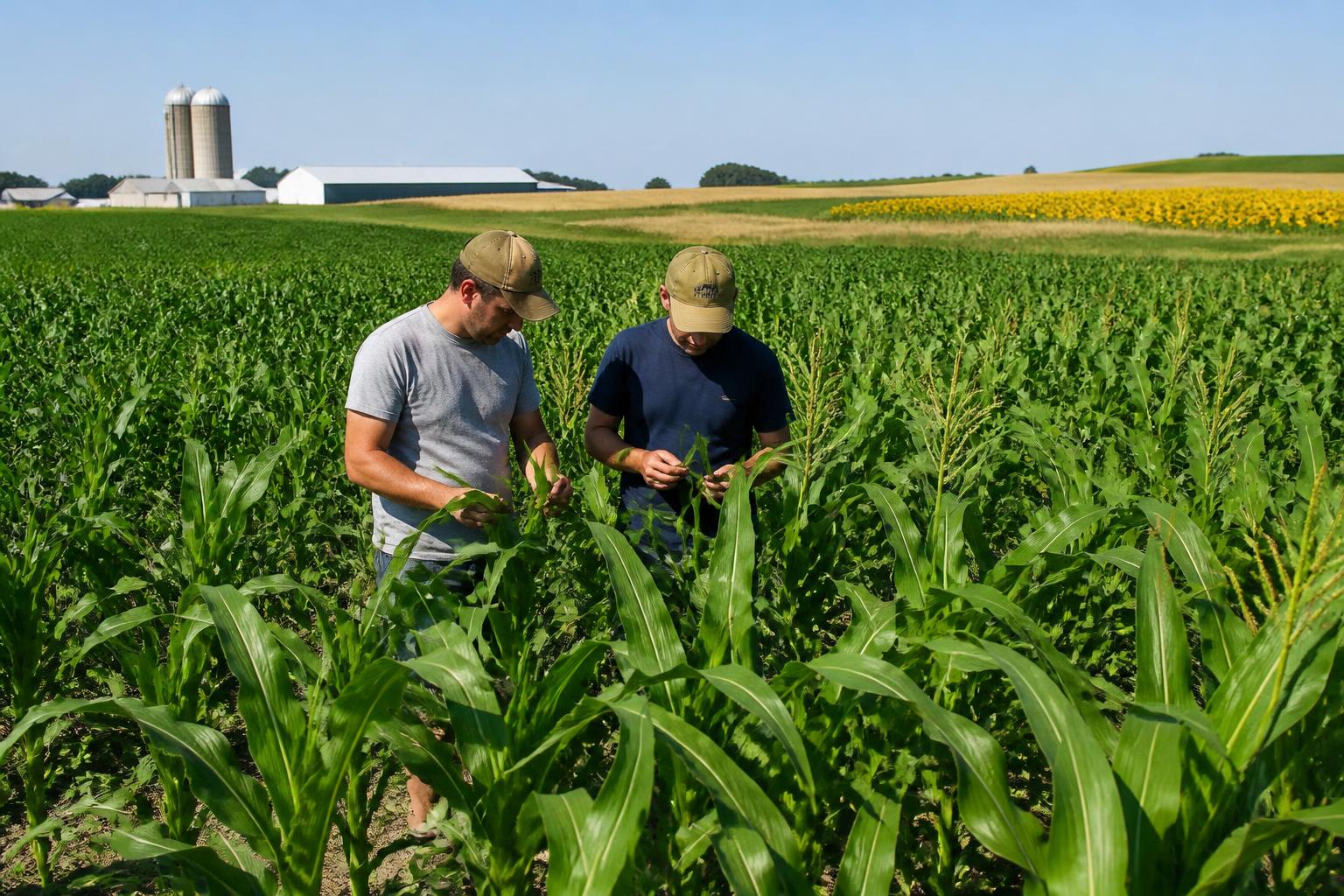
As the mid-summer heat settles over Wisconsin fields this July, grain producers and handlers are navigating a rapidly shifting marketing and operational landscape. Farmers across key agricultural regions, from the southern borders up to Sheboygan County, are weighing promising local crop conditions against a series of logistics and agronomic challenges. The state ag sector, which has historically shown great resilience in transitioning through economic cycles, is currently dealing with both localized bottlenecks and broader macroeconomic pressures.
Logistics Shocks Alter Regional Grain Flows
The most pressing logistical disruption for northern grain corridors is the recent closure of the CHS grain terminal at the Port of Duluth-Superior. Historically a critical outlet for moving Upper Midwest grain into international markets, the shuttering of this terminal forces a re-evaluation of local transportation routes. With Duluth-Superior options restricted, more volume may be redirected toward alternative river terminals or southern domestic markets, potentially impacting local basis levels and transport costs during the upcoming fall harvest.
Wisconsin grain growers are already adjusting to a shifting shipping landscape, as highlighted in the discussion on how the Wisconsin grain market faces dual headwinds from terminal shutdowns and crop pests. Rail and truck logistics will likely carry a heavier burden this season as handlers look for alternative pathways to keep grain moving efficiently.
Agronomic Pressures and Tight Summer Margins
In the fields, crop management is demanding increased vigilance. Corn rootworm pressure has been on the rise across the Midwest, posing a significant threat to yield potential and complicating long-term crop rotation strategies. While early-season crop conditions have shown potential in many parts of the state, managing these pest pressures is driving up input costs at a time when commodity prices remain sensitive to global supply trends.
To stay profitable, farmers must keep a close eye on operational costs as Wisconsin grain producers adapt to tight summer margins and shifting global trade patterns. With international demand for U.S. wheat showing signs of softening as global supplies normalize, maintaining a lean operating model is critical for localized operations.
Manure Valuation and Technology Drive Cost Savings
To offset high commercial fertilizer costs, many Wisconsin operations are focusing on integrated nutrient management. The value of livestock manure has become a major focal point for mixed grain-and-dairy farms, serving as a highly valuable resource to boost soil health and reduce dependency on synthetic inputs. However, accessing state-level conservation and industrial farming permits remains slow due to ongoing staffing challenges at state regulatory agencies.
On the technology front, events like the Wisconsin Farm Technology Days continue to showcase precision agriculture solutions designed to maximize efficiency. From advanced variable-rate application tools to biological pest controls, local growers are increasingly turning to tech-driven strategies to preserve yield margins and protect soil resources under challenging economic conditions.
Key Takeaways for Wisconsin Operators
- Evaluate Transportation Alternatives: With the Duluth-Superior terminal closed, grain handlers should lock in trucking and rail options early to avoid fall harvest bottlenecks.
- Monitor Rootworm and Pest Pressure: Scout fields closely throughout July to assess pest levels and adjust rotation and pesticide plans for the upcoming cycles.
- Leverage Organic Nutrients: Mixed operations can optimize returns by carefully calculating manure nutrient values and reducing commercial fertilizer purchases.
- Focus on Tight Cost Controls: Given trade uncertainties and normalizing global grain stocks, defensive marketing and cost mitigation remain paramount.
What it means for the market
For Wisconsin grain buyers, sellers, and transporters, the summer of 2026 is a period of transition and defensive positioning. The loss of a major terminal outlet at Duluth-Superior means local basis pricing may experience more volatility as supply routes find new equilibrium points. While the physical potential of the corn and soybean crops remains largely intact, the combination of rising pest pressures and tight international trade margins means that marketing discipline and local logistical relationships will define success for the remainder of the marketing year.
Comments
No comments yet - be the first to share your take.