
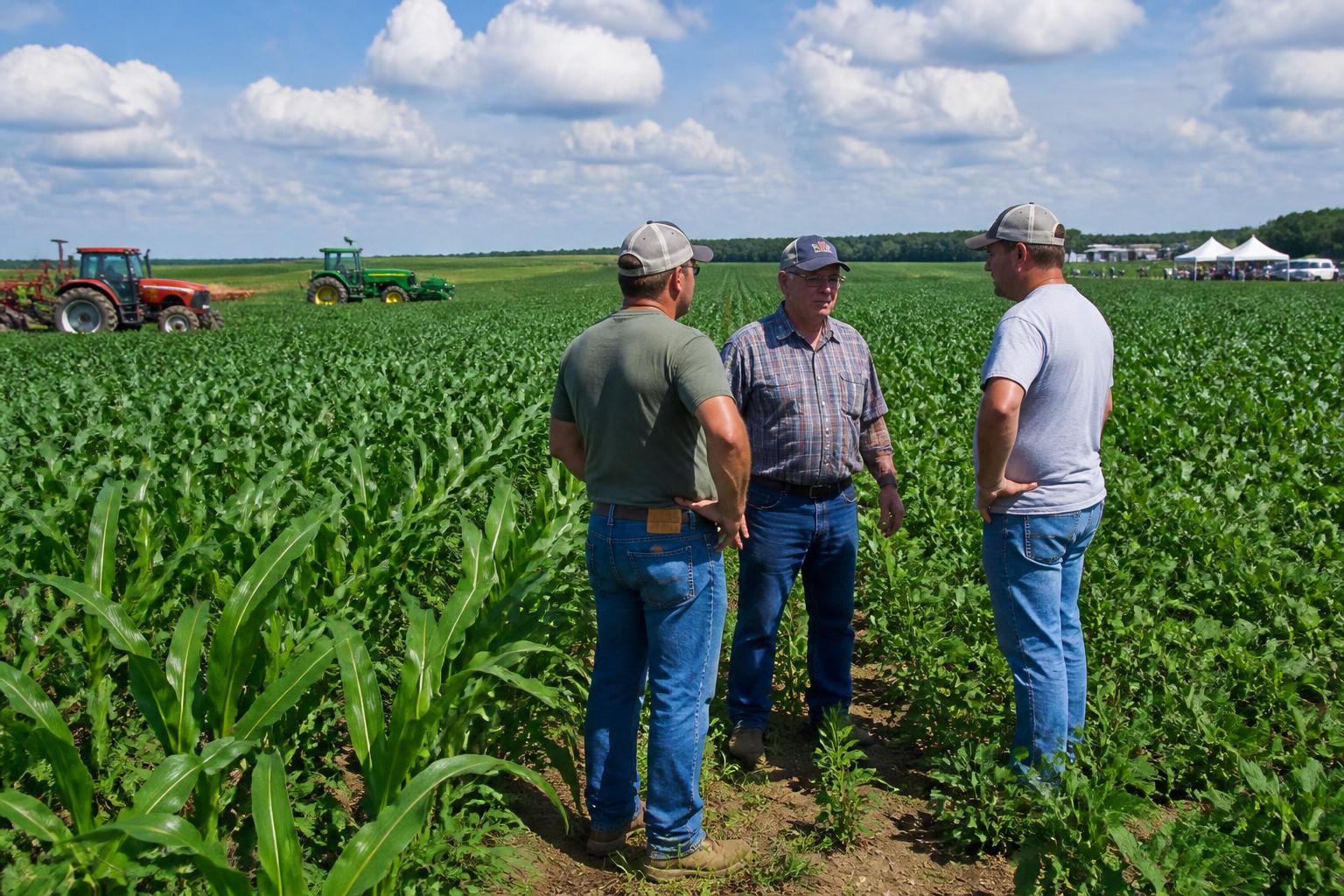
Wisconsin grain producers are navigating a highly dynamic mid-summer stretch as intense heat and high humidity settle over the Upper Midwest. Field management, local equipment availability, and regional agricultural policy are converging to reshape daily decision-making for growers from the southern border up to the northern counties.
With seasonal weather patterns pushing humidity levels higher, crop scouts are on high alert, while local machinery and management transitions keep agribusinesses on their toes. These shifts require local operations to remain agile, especially as the Wisconsin grain sector navigates port shocks and agronomic hurdles in summer 2026.
Persistent Steamy Weather Drives Crop Disease Concerns
Persistent steamy weather across Wisconsin has raised the risk of crop diseases in both corn and soybean fields. Fungal pathogens thrive in warm, wet canopy conditions, prompting agronomists to recommend diligent field scouting throughout July. Many growers are keeping a close watch on high-density fields where airflow is restricted.
To combat these rising disease pressures, precision agriculture technology is seeing expanded adoption. Unmanned aerial vehicles, such as those utilized by companies like American Drone, are increasingly deployed for aerial field mapping and targeted fungicide applications. These tools allow growers to identify stressed areas in the crop canopy before widespread damage occurs, protecting yield potential during critical reproductive growth phases.
Shifting Support Systems: Equipment and Grain Leadership
Beyond the fields, Wisconsin's agricultural support infrastructure is undergoing notable structural changes. In the machinery sector, local operations like Ritchie Implement have stepped up to fill critical service and sales gaps left by AGCO dealers exiting the Wisconsin market. This transition ensures that grain farmers maintain access to necessary parts and technical support during the busy mid-summer maintenance window.
Additionally, leadership changes are shaping how local grain is handled and marketed. With new management taking the reins at local elevators, including the appointment of Cordonnier as a new regional grain manager, grain handlers are refocused on maximizing local logistical efficiencies despite shifting regional transport corridors.
Policy, Local Food Systems, and Farm Advocacy
Federal policy and regional market programs remain a key focus for local agricultural advocates. A recent farm roundtable in Chippewa Falls, featuring political figures including Donald Trump, Derrick Van Orden, and Tom Tiffany, highlighted the ongoing challenges facing Wisconsin's family farms, particularly around trade and operational costs.
At the same time, Wisconsin farmers and local food organizations are urging the USDA to restore and bolster local food programs. While farm-to-school initiatives present a steep learning curve for local growers due to specialized delivery and processing requirements, they represent a vital alternative marketing channel for diverse operations across the state.
Key Takeaways for Wisconsin Grain Growers
- Scout Early and Often: Monitor corn and soybean canopies daily as prolonged humid conditions elevate the risk of fungal diseases.
- Evaluate Tech Solutions: Consider leveraging drone services for precision scouting and timely fungicide applications to mitigate crop damage.
- Verify Equipment Support: Map out parts and service providers early, keeping in mind the shifting dealership landscape across the state.
What it means for the market
Wisconsin's grain market is currently defined by agronomic vigilance and structural adaptation. While local policy discussions and dealership transitions continue in the background, the immediate focus remains on securing yield potential against summer disease pressures. Wisconsin farmers looking to optimize their marketing strategies during this period of volatility can evaluate local options to sell grain in Wisconsin directly, keeping close tabs on regional basis changes and local elevator capacities.
Comments
No comments yet - be the first to share your take.