
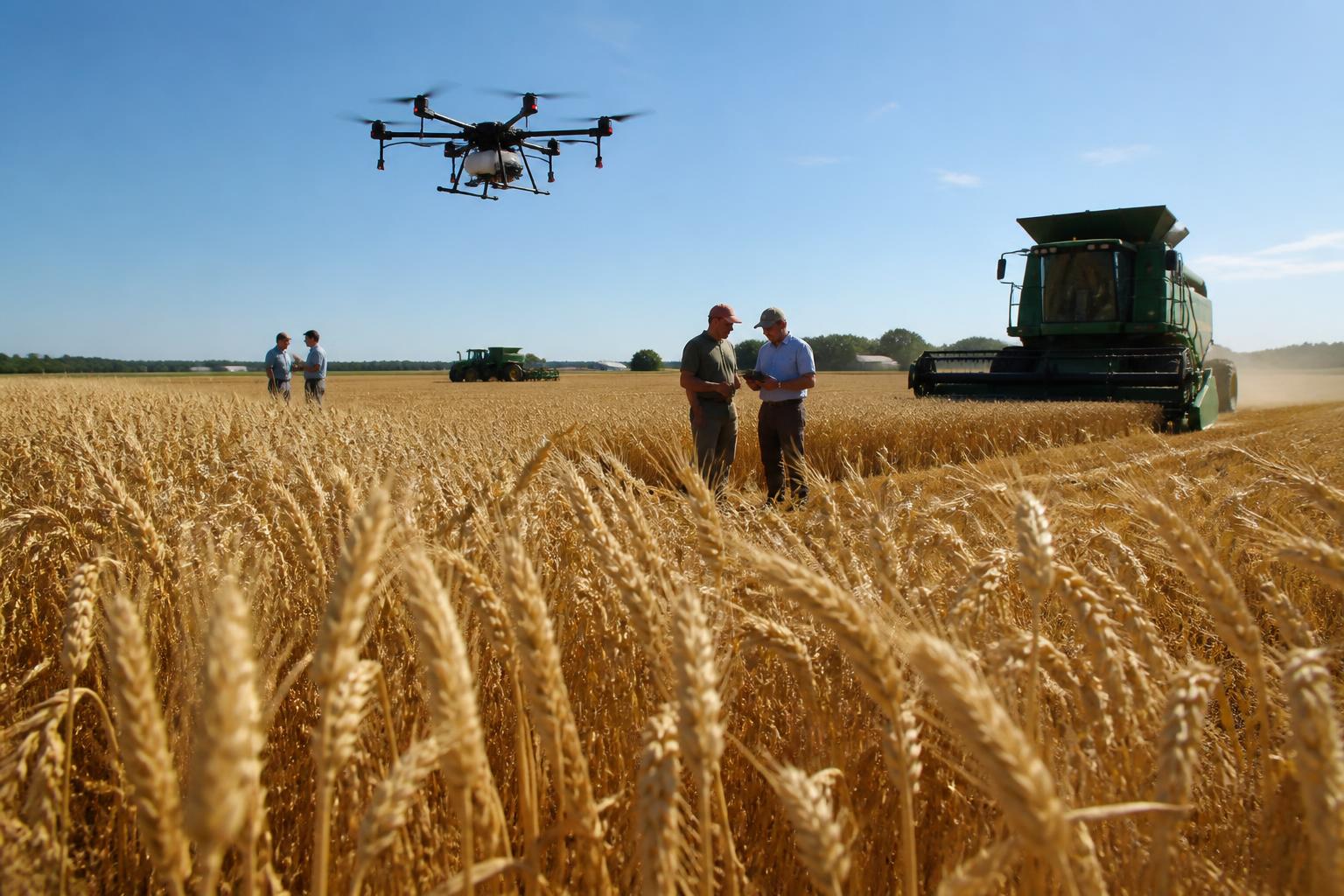
Mid-summer operations across Delaware are highlighting the critical intersection of infrastructure and efficiency for the state's agriculture sector. With harvest activities moving through the season, growers and grain handlers are balancing the need for reliable transport routes with the ongoing expansion of regional logistics capacity. Proximity to major transit corridors remains a cornerstone of the state's value proposition, allowing for better access to distribution hubs for both poultry and grain products.
Infrastructure and Transport Shifts
Recent interest in repurposing industrial sites for logistics use, including projects near the I-95 corridor and within New Castle, suggests a growing emphasis on streamlining regional freight movement. For producers and distributors, these developments are essential as they look to optimize the flow of inputs and finished goods. Stable access to storage and distribution is particularly vital as the industry adapts to fluctuating market dynamics in crop inputs and shifting seasonal demand.
Digital Integration in Field Operations
Beyond traditional logistics, technology is playing an increasingly prominent role in how Delaware farmers manage their land and inventory. The integration of precision tools and digital platforms is helping agribusinesses gain better visibility into their operational needs, from real-time asset tracking to data-driven field management. As highlighted in discussions surrounding domestic feed requirements, having accurate, digital-ready supply chain data can be the difference between maintaining steady margins and facing costly inefficiencies during peak seasonal windows.
What it means for the market
For Delaware farmers and logistics providers, the focus remains on leveraging regional stability while adopting smarter, tech-enabled management practices. As infrastructure continues to evolve in key hubs, businesses that align their storage and transportation strategies with these improvements will be better positioned to handle the seasonal volatility inherent in agricultural supply chains.
Comments
No comments yet - be the first to share your take.