
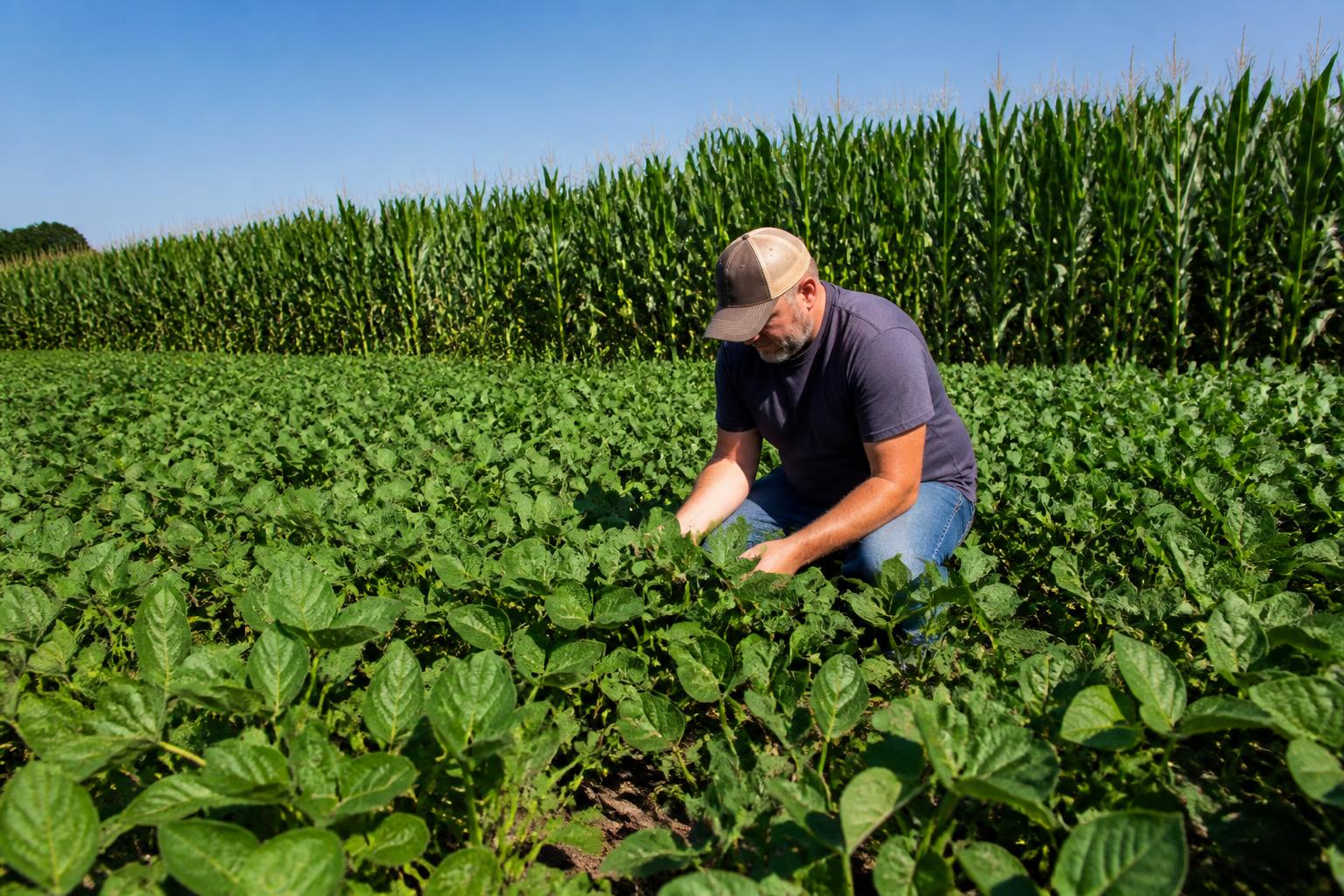
Delaware grain producers entering mid-summer face a dynamic agricultural landscape where robust domestic demand is driving a soybean market rally, helping to balance out ongoing international export uncertainties. For farmers across the Delmarva Peninsula, particularly in Sussex County where poultry production dominates, local grain demand remains a crucial anchor for summer marketing plans.
As July crop development gets underway, Delaware corn and soybean fields are progressing through critical growth stages. With local basis frequently influenced by the feed requirements of regional poultry operations, keeping a close eye on both national demand trends and local logistics is key for securing profitable contracts.
Domestic Demand Props Up Soybean and Corn Markets
The recent surge in the soybean market highlights a broader trend: strong domestic processing and industrial usage in the United States are successfully offsetting softer export demand. This domestic cushion has kept market sentiment resilient even as global trade flows shift. For Delaware growers, who often direct their harvests to regional feed mills and processing facilities, these solid domestic fundamentals provide a reassuring floor.
In Sussex County and surrounding agricultural areas, the poultry sector remains the primary consumer of feed grains. Because local corn and soybean meal are essential to feed formulation, regional growers frequently benefit from localized demand that behaves differently from national terminal markets. Understanding these nuances is critical for risk management; producers can analyze Delaware grain market volatility and summer strategies to better navigate seasonal price swings and protect their margins.
Input Cost Pressures and Field Conditions
While grain markets show resilience, managing input costs remains a top priority for growers. Recent improvements in global logistics channels-such as the easing of geopolitical bottlenecks in key international straits-have helped lower global energy and fertilizer pressures. This correction has brought some welcome relief to farm budgets after seasons of highly volatile operating costs.
For local producers finalizing their mid-summer crop nutrition plans or starting to budget for the next planting cycle, tracking these input adjustments is highly beneficial. Producers looking to optimize their cost structures can review the Delaware fertilizer market relief trends to align their nutrient management plans with current pricing realities.
The Vital Role of Sussex County Feed Demand
In Delaware, grain farming and livestock production are deeply interconnected. A healthy, productive local corn crop is absolutely crucial to Sussex County poultry growers, who rely heavily on local feed availability to keep operations running efficiently. When local grain yields are strong, it reduces the regional reliance on bringing in grain via rail from the Midwest, stabilizing feed costs for poultry integrators and supporting local grain prices.
To capture the best local basis, growers must stay proactive. Connecting directly with regional buyers and local elevators allows farms to streamline their logistics as the summer progresses toward the busy fall harvest season.
Key Takeaways for Delaware Growers
- Domestic Cushion: A strong domestic market is offsetting global export concerns, providing a solid foundation for soybean prices.
- Local Feed Demand: The Sussex County poultry sector continues to drive consistent local demand for Delaware corn and soybeans.
- Input Cost Relief: Easing international supply chain pressures has helped stabilize fertilizer and fuel costs, aiding margin planning.
What it means for the market
As Delaware growers manage their crops through the heat of July, local grain basis is expected to remain firm due to the steady demands of the regional poultry industry. Farmers should continuously monitor crop conditions and evaluate local storage options to capture premium pricing opportunities. For those ready to market their current crop or secure forward contracts, taking steps to sell grain in Delaware through direct local channels will be essential to maximizing returns during this crucial mid-summer marketing window.
Comments
No comments yet - be the first to share your take.