
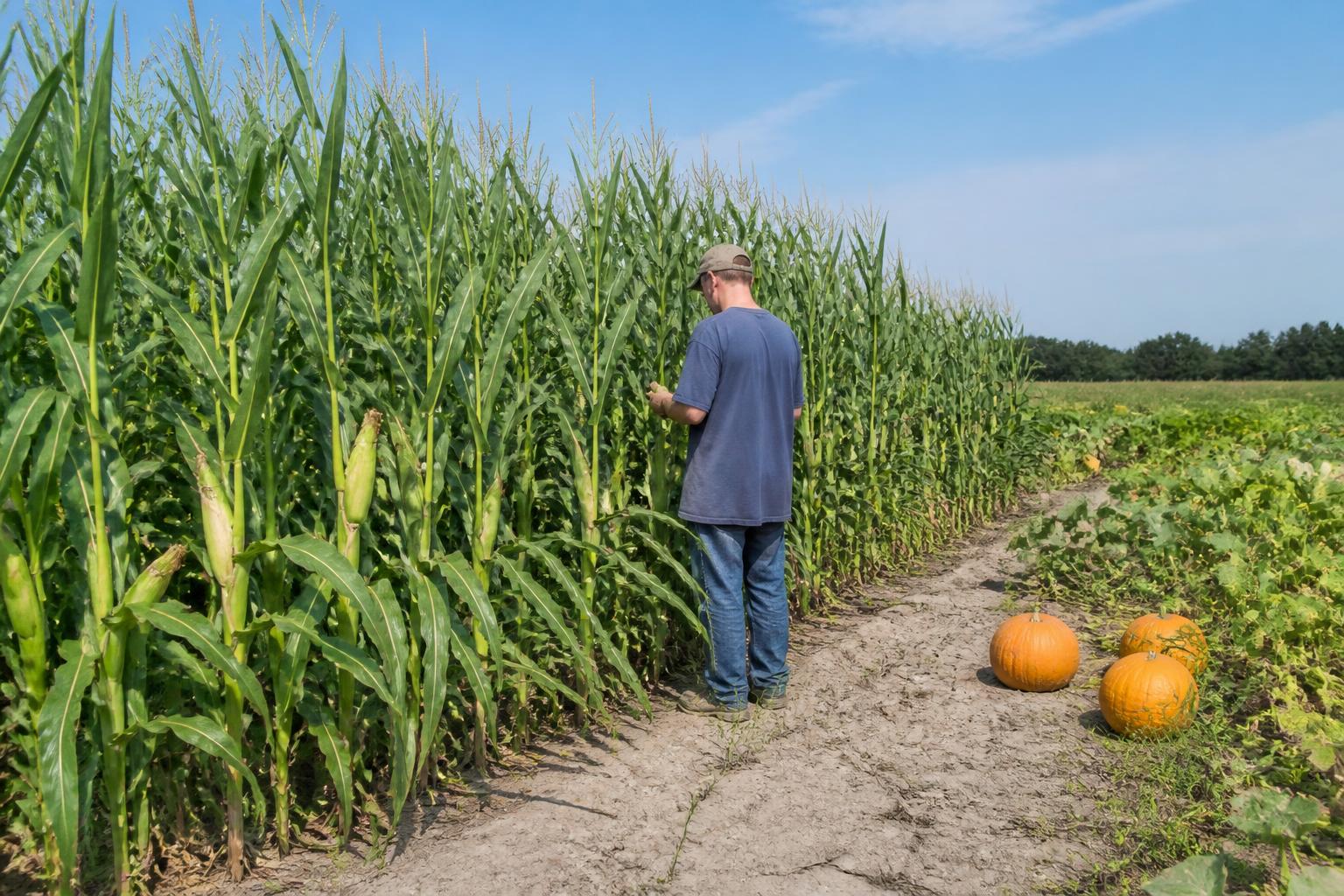
Mid-summer in Texas brings a unique set of pressures for producers and grain handlers alike. As regional operations look toward the latter half of the season, the focus remains squarely on balancing evolving crop projections with the logistical realities of moving goods through key corridors across the state.
For many, the current market climate necessitates a proactive approach to managing transport and supply chain bottlenecks. New infrastructure projects, such as recent logistical developments in regions like Cypress, may offer expanded capacity for businesses looking to streamline storage and distribution. Staying updated on Texas grain markets is essential as localized volatility impacts handling strategies and regional export efficiency.
Adapting to Shifting Production Trends
While industry outlooks suggest potential adjustments in corn output for the coming cycles, producers continue to experiment with operational shifts to mitigate risks. Techniques like no-till farming are increasingly viewed as viable tools for soil health and moisture management, particularly when facing the persistent heat often seen across Texas growing regions. Effective management strategies—including addressing common field pests such as Texas panicum—are critical for ensuring yield stability in the face of unpredictable summer weather.
Logistical Readiness and Market Flow
Efficient movement of commodities remains a pillar of a healthy agricultural economy. Whether navigating logistical pressures near major port facilities or coordinating overland freight, grain elevators and transport operators are constantly adapting to changing demand. Leveraging comprehensive Texas grain market insights can help stakeholders anticipate shifts in pricing and capacity, allowing for more agile decision-making throughout the high-demand summer months.
Key Takeaways
- Infrastructure expansion in key logistics hubs may improve regional throughput as the season progresses.
- Producers are increasingly adopting no-till and integrated pest management to stabilize yields against summer heat and competition.
- Market participants should remain vigilant regarding transport capacity and regional supply chain costs.
What it means for the market
The current landscape suggests that while production variables fluctuate, a focus on infrastructure and management precision remains the best defense for Texas agribusiness. By monitoring regional logistics and staying aligned with local grain market trends, stakeholders can better position themselves to mitigate the risks of the summer heat and capitalize on available capacity throughout the remainder of the season.
Comments
No comments yet - be the first to share your take.