
Mid-summer in Arizona brings more than just the annual spike in desert temperatures. For growers across the state, particularly in regions like the Yuma Valley, this period is defined by high-stakes management of human and mechanical resources. As the agricultural sector looks toward upcoming harvest windows, labor availability continues to emerge as a central bottleneck that complicates routine logistical operations.
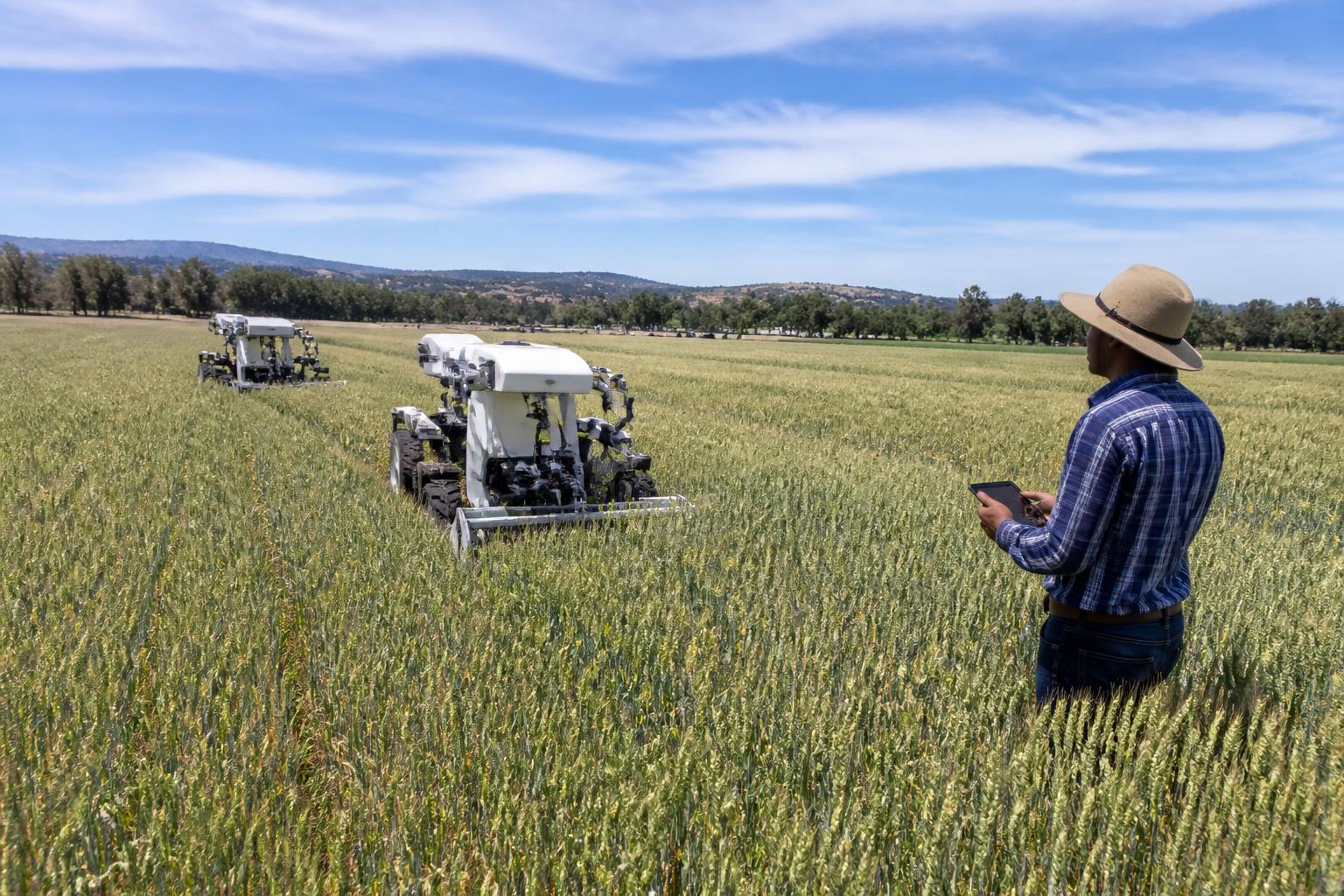
While technology is beginning to offer a glimmer of potential relief, with innovations such as AI-driven robotics currently undergoing field trials in various local operations, the industry remains heavily reliant on a consistent labor force to handle high-value specialty crops. The persistent difficulty in securing adequate personnel can delay packing and shipping cycles, creating a ripple effect that extends from the field to the regional distribution hubs.
Navigating Input and Operational Volatility
Logistical pressures are often compounded by broader market forces. As global fertilizer markets experience periods of fluctuation, local agribusinesses must manage their supply chains with increased scrutiny. Decisions regarding input procurement are no longer just about timing and pricing, but also about securing reliable transit routes that remain efficient despite energy costs and infrastructure limitations.
For growers and grain handlers alike, staying ahead of potential disruptions requires constant vigilance. Whether it is managing the return of traditional staples or navigating the latest market trends, efficiency in movement and storage remains the primary hedge against uncertainty. Producers should prioritize localized partnerships to mitigate risks associated with wide-scale regional shipping delays.
What it means for the market
The current environment highlights the critical need for Arizona producers to remain agile. With shifting shipping lanes and rising energy costs acting as constant variables, those who optimize their logistical planning and integrate modern labor-saving solutions will be best positioned to handle the remainder of the summer season. Monitoring labor trends and securing input buffers will be essential as the market moves toward the next major harvest cycle.
Comments
No comments yet - be the first to share your take.